
Gates Pledges 99% of Fortune to Gates Foundation Spend-Down by 2045
The landscape of philanthropy in America is undergoing a significant transformation, driven by the pullback in government spending and the evolving strategies of major philanthropic organizations. This shift could reshape the charitable sector and its impact on society.
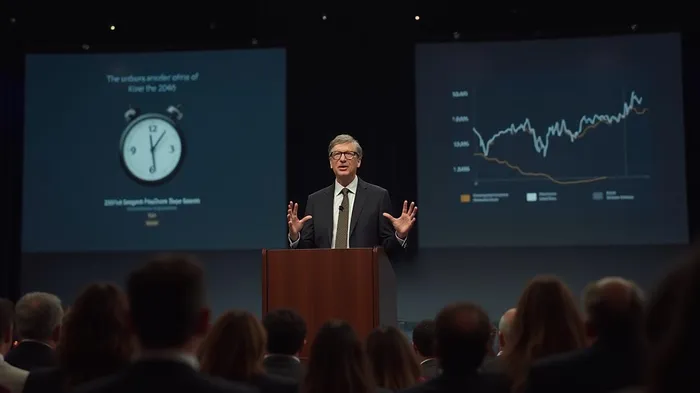
Bill GatesGTES--, co-founder of MicrosoftMSFT-- and one of the world's most prominent philanthropists, has announced that he will donate 99% of his remaining tech fortune to the Gates Foundation. This pledge comes with a timeline: the foundation will spend all of its resources by 2045, marking a departure from its previous approach of perpetual funding. Gates' decision reflects a broader trend among philanthropic leaders who are rethinking the traditional model of philanthropy, which often involves long-term, sustained funding of various causes.
Melinda French Gates, Gates' ex-wife and co-founder of the Gates Foundation, has echoed this sentiment. She has stated that the foundation's resources are intended to be spent down, rather than preserved indefinitely. This approach aims to address immediate and pressing needs, ensuring that the foundation's impact is felt within a specific timeframe. The Gates Foundation, which has been one of the world's largest and most influential charitable organizations, has already made significant strides in global health, education, and poverty alleviation during its first 25 years.
The shift towards a spend-down model is not limited to the Gates Foundation. Other philanthropic leaders, such as Warren Buffett, have also expressed a desire to see their wealth used for immediate impact rather than perpetuity. Buffett, who has given away over $60 billion, believes that the ultimate sacrifice is not just the act of giving but ensuring that the resources are used effectively to address current challenges.
This transformation in philanthropy is driven by a recognition that traditional models may not be as effective in addressing contemporary issues. There is a growing disconnect between how philanthropy views its role and how communities understand their needs. This realization has led to a call for more transformative approaches, where philanthropy aligns more closely with the goals and aspirations of the communities it serves.
The pullback in government spending on social programs and public services has created an opportunity for philanthropy to step in and fill the gaps. However, this also presents a challenge: how can philanthropic organizations ensure that their resources are used efficiently and effectively to address the most pressing needs? The spend-down model offers a potential solution, as it forces organizations to focus on immediate impact and accountability.
As philanthropy evolves, it will be crucial for organizations to adapt their strategies to meet the changing needs of society. This may involve greater collaboration with government agencies, nonprofits, and community organizations to ensure that resources are used effectively. It may also require a shift in mindset, from a focus on perpetuity to a focus on impact.
In conclusion, the end of philanthropy as we know it could reshape America by fostering a more impactful and accountable charitable sector. As major philanthropic organizations like the Gates Foundation adopt spend-down models, they are setting a new standard for how resources can be used to address immediate and pressing needs. This transformation presents both opportunities and challenges, but it also offers a chance to reimagine the role of philanthropy in society.

Stay ahead of the market.
Get curated U.S. market news, insights and key dates delivered to your inbox.




Comments
No comments yet