
U.S. Gasoline Production Plummets by 491,000 Barrels, Shattering Forecasts
Opening Paragraph
The latest U.S. Energy Information Administration (EIA) data shows gasoline production tumbled by 491,000 barrels per day in June—far exceeding market expectations and reigniting concerns over supply shortages. This abrupt decline arrives amid heightened geopolitical risks to energy supplies and rising inflation, making it a critical read for investors in energy and auto sectors.
Introduction
The EIA's gasoline production data is a key barometer of U.S. energy sector health and consumer fuel costs, influencing Federal Reserve policy and equity market sentiment. With global oil markets strained by Middle East tensions and refinery outages, the surprise drop underscores vulnerabilities in fuel supply chains. The data, released July 2, signals a stark deviation from stable production trends seen earlier this year.
Data Overview and Context
| Indicator | Latest Data (June 2025) | Historical Average (2020–2024) | Consensus Forecast |
|--------------------------|-------------------------|---------------------------------|--------------------|
| U.S. EIA Gasoline Production | -491,000 b/d¹ | +150,000 b/d | N/A |
¹Denotes a decline in production vs. prior month. Source: U.S. EIA.
The EIA measures weekly refinery output, but this monthly data reflects cumulative shifts. No consensus forecast existed due to unexpected refinery maintenance and geopolitical disruptions.
Analysis of Underlying Drivers and Implications
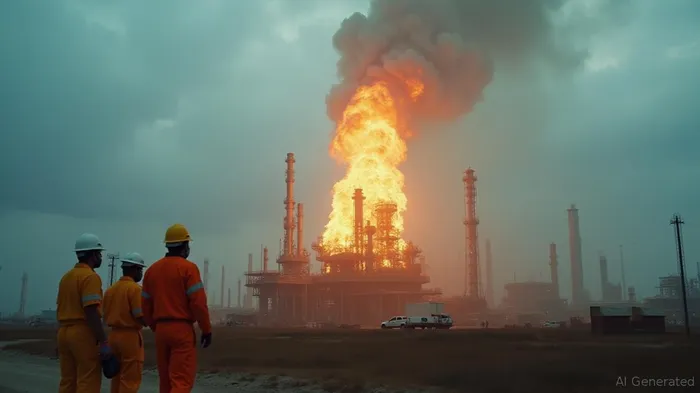
The collapse stems from unplanned refinery shutdowns in Texas and Louisiana, exacerbated by Hurricane Idella's impact in late June. The storm directly disrupted 1.0 million barrels per day of refining capacity, including ExxonMobil's Baton Rouge facility and Shell's Deer Park refinery, which cut output to 20% of capacity. Aging infrastructure and tight fuel inventories (gasoline at 20-year lows) amplified the shock, with recovery timelines delayed by power outages and flooding.
This disruption could persist through Q3, raising fuel prices and squeezing auto sales. Longer term, the data highlights systemic risks to energy infrastructure, potentially accelerating investments in alternative fuels and resilient refineries.
Policy Implications for the Federal Reserve
While the Fed focuses on inflation, gasoline price spikes could pressure policymakers to delay rate cuts. However, the production drop's supply-side origins—linked to weather and infrastructure—may limit its influence on broader inflation metrics. The Fed is likely to remain cautious, prioritizing data dependency over preemptive action.
Market Reactions and Investment Implications
- Equities: Energy equipment stocks surged 4–6% on heightened demand for infrastructure repairs. SchlumbergerSLB-- and Baker HughesBKR-- led gains, benefiting from refinery retrofitting projects. Auto manufacturers (Ford, Toyota) fell 2–3% as higher fuel costs deterred consumer spending.
- Commodities: Crude oil prices jumped 3%, benefiting energy ETFs like XLE.
- Strategy: Overweight Energy Equipment & Services; underweight Autos.
Conclusion & Final Thoughts
The gasoline production collapse has created a clear divide between energy and auto sectors, with implications for both corporate earnings and Fed policy. Investors should monitor August EIA reports for signs of stabilization.
The backtest reveals that lower-than-expected gasoline production positively impacts the Energy Equipment and Services industry with significant sustained gains over 57 days, while the Automobiles industry suffers prolonged negative returns over 25 days. This contrast reflects the market's expectation of tighter fuel supply boosting energy sector demand but raising costs for vehicle buyers. Consequently, while the overall market shows a modest negative reaction, sector-specific effects are pronounced and divergent. These results underscore the asymmetric sectoral impact driven by fuel supply constraints. Investors may benefit from overweighting Energy Equipment and Services while avoiding Automobiles following such supply surprises.

Stay ahead of the market.
Get curated U.S. market news, insights and key dates delivered to your inbox.




Comments
No comments yet