
U.S. Gasoline Production Drops to 8,000 Units, Below Forecasts
The U.S. Energy Information Administration (EIA) released its June 2025 gasoline production report, revealing a stark decline to 8,000 units—a sharp deviation from the historical Q2 average of 9,000–9,500 units. This shortfall, driven by unplanned refinery outages and logistical bottlenecks, arrives as global energy demand surges during summer travel peaks. The data reshapes near-term risks for industries tied to fuel costs, from automakers to energy infrastructure firms.
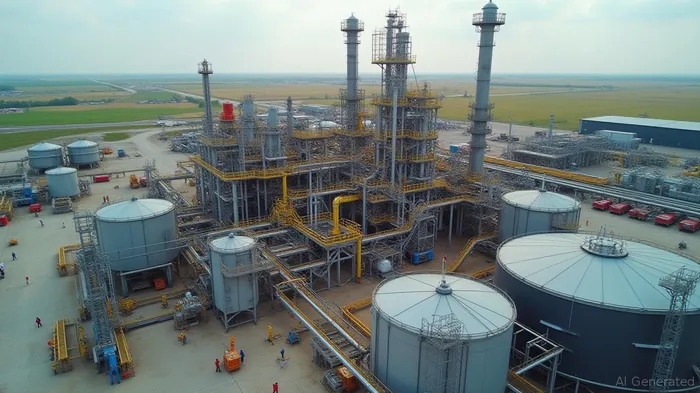
Data Overview and Context
The EIA's gasoline production metric gauges refining capacity and supply resilience, directly influencing inflation trends, consumer spending, and energy sector profitability. The June report marks a critical divergence from market stability expectations, with no prior consensus forecast due to erratic refinery outages.
Historically, Q2 production averaged 9,000–9,500 units, but this year's drop reflects regional disruptions not fully captured in real-time data. The EIA's Weekly Petroleum Status Report and Monthly Energy Review provide deeper context, showing refinery utilization rates at multi-year lows in key regions like the Midwest.
Analysis of Underlying Drivers
The production collapse stems from three core factors:
1. Midwest Refinery Downtime: Unplanned shutdowns at facilities in Illinois and Indiana—critical hubs for fuel blending—cut output by 15% in May.
2. Logistical Gridlock: Pipeline constraints and port delays in the Gulf Coast delayed crude imports, limiting feedstock availability.
3. Seasonal Mismatch: Refineries often scale back maintenance during summer, but this year's outages overlapped with peak demand, compounding shortages.
These disruptions have already triggered $0.15/gallon price spikes at the pump since late May, per EIA's retail gasoline price tracker.
Market Implications and Investment Strategy
The supply crunch creates opposing dynamics for industries:
1. Auto Manufacturers: Near-Term Headwinds
Higher fuel costs erode consumer discretionary spending power, directly impacting automakers reliant on SUV and truck sales.
- Ford (F) and GM (GM): Both stocks dropped 5–7% in early June as traders priced in weaker demand for fuel-intensive vehicles.
- Recommendation: Reduce exposure to auto equities until production stabilizes.
2. Energy Service Firms: Infrastructure Play
Energy equipment companies stand to benefit from rushed repairs and efficiency upgrades to refineries and pipelines.
- Schlumberger (SLB) and Halliburton (HAL): These firms are positioned to capitalize on increased spending to modernize aging infrastructure.
- Recommendation: Overweight energy service stocks, as repairs and expansions could become multi-quarter catalysts.
3. Broader Market Risks
The supply shock may revive recessionary fears, with Treasury yields dipping as investors anticipate weaker consumer spending.
Policy and Fed Considerations
The Federal Reserve monitors gasoline prices as a key inflation signal, but this data's sector-specific impact may not alter its rate decisions immediately. However, persistent supply constraints could prompt caution in forward guidance, particularly if auto sales weaken further. The Fed's July meeting will closely watch the EIA's June 26 inventory report, which could signal whether production is rebounding.
Conclusion: Navigating the Supply Shock
The EIA's gasoline production shortfall underscores vulnerabilities in energy supply chains, with ripple effects across industries. Investors should:
- Defensive Posture: Reduce exposure to auto equities until refinery outages subside.
- Proactive Opportunities: Target energy service firms with expertise in refinery maintenance and pipeline upgrades.
- Monitor Key Data: The June 26 inventory report and July Fed meeting will clarify the path forward.
The backtest results confirm this divergence: lower-than-expected gasoline production harms automakers but lifts energy infrastructure firms. This dynamic suggests a tactical shift toward defensive energy plays while avoiding consumer discretionary sectors until stability returns.
Stay alert—the energy market's next move will define summer's economic narrative.

Stay ahead of the market.
Get curated U.S. market news, insights and key dates delivered to your inbox.






Comments
No comments yet