
Gas Tax Relief Proposals Rise as Prices Soar Amid War in Iran
 Aime Summary
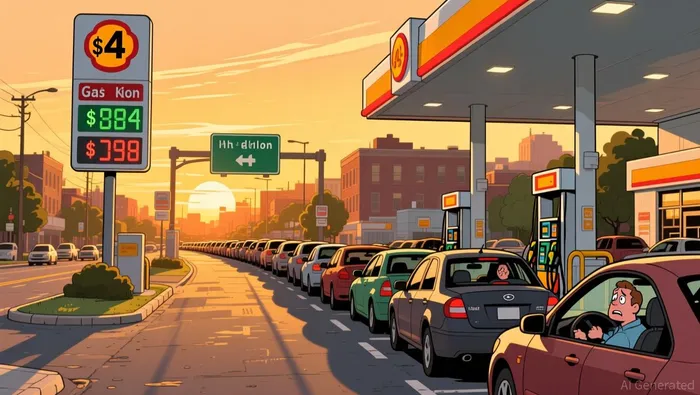
Gas Prices in the U.S. Have Risen Above $4 Per Gallon
Gas prices in the U.S. have risen above $4 per gallon, prompting discussions of federal and state-level gas tax suspensions to provide relief to consumers. States like Georgia and Utah have already implemented temporary tax cuts, but critics warn these measures may not significantly reduce prices and could strain infrastructure budgets. A gas tax suspension removes the tax on gasoline for a set period, but revenue losses must be offset—often through budget surpluses or emergency funds—to avoid long-term fiscal harm.
Gas prices have climbed sharply due to geopolitical tensions in the Middle East, particularly the conflict in the Strait of Hormuz, with states like Virginia, New York, and Georgia exploring temporary relief measures. For retail investors, these developments highlight the interplay between energy markets, fiscal policy, and political dynamics. While short-term price relief may seem appealing, the long-term financial impact on state infrastructure budgets and federal highway programs remains a key concern. Understanding these nuances is essential for investors assessing the broader economic implications of fuel price volatility.
What Is a Gas Tax Holiday and How Might It Affect the Economy?
A gas tax holiday temporarily suspends the state or federal tax on gasoline for a defined period, reducing the cost at the pump for consumers. The federal gas tax, set at 18.4 cents per gallon for gasoline, funds highway and public transit programs, generating over $23 billion annually. A suspension could provide immediate relief, but it also risks reduced transportation funding and potential deficits if the revenue loss is not offset.
State-level tax holidays, like Georgia's 60-day suspension of a 33-cent gas tax, have shown mixed results. While prices dropped slightly, some experts argue that retailers may not pass on the full savings to consumers. Additionally, states with budget surpluses, such as Virginia, may use these funds to cover lost revenue, but this approach may not be sustainable for all states.
Could a Fuel Tax Cut Actually Lower Prices for Consumers?
Investors should understand that the effectiveness of a gas tax cut depends on various factors, including market dynamics, supply chains, and regulatory actions. While tax reductions can lower the price at the pump, global factors like the war in Iran and oil supply disruptions play a larger role in determining fuel costs. In some cases, retailers may offset the lower tax by increasing prices for other goods or services, limiting the real-world impact of tax cuts.
Virginia lawmakers, for example, have proposed a 90-day suspension of the state's 32-cent gas tax to ease the financial burden on drivers. They estimate the move would reduce gas prices by about 32 cents per gallon, but this assumes that all of the savings are passed on to consumers—something critics like former transportation official Ron Epstein dispute. With Democrats in control of the governor's office and legislature, the proposal faces political challenges, especially as Governor Abigail Spanberger advocates for long-term solutions like electric vehicle (EV) adoption.
What to Watch for in the Coming Months
As more states consider or implement fuel tax relief measures, the broader implications for infrastructure funding and economic stability will become clearer. Retail investors should pay attention to three key developments:
- Legislative action in New York and Virginia: Both states are actively debating whether to implement tax holidays or other relief measures. Any legislative changes could influence neighboring states to follow suit.
- Market response to tax cuts: Analysts will monitor whether prices at the pump actually decline after tax holidays, as well as whether retailers absorb or pass on the savings. This could provide insight into consumer behavior and market dynamics.
- Federal policy responses: The federal government has the authority to suspend the national gas tax, but this would require Congressional approval. As President Trump has suggested considering such a move, investors should watch for any policy developments that could further impact fuel prices and fiscal budgets.
At this point, the debate remains highly politicized, with Republicans emphasizing short-term relief and Democrats pushing for long-term energy solutions like EV adoption. The ultimate outcome could shape not only fuel prices but also broader transportation and environmental policy in the coming years.

Stay ahead of the market.
Get curated U.S. market news, insights and key dates delivered to your inbox.


AInvest
PRO
AInvest
PRO



Comments
No comments yet