
Gas Prices Jump as Mideast Tensions Disrupt Oil Flows
 Aime Summary
Gas prices in the U.S. , , due to a sharp rise in global oil prices following escalating tensions between the U.S. and Iran. , which accounts for about half of the cost of a gallon of gasoline. The situation highlights how geopolitical events in the Middle East can have immediate and widespread effects on the U.S. economy and consumer wallets. While the U.S. has become less energy-intensive over the years, rising fuel prices still pose notable inflationary pressures.
Why Has the U.S.-Iran Conflict Caused Gas Prices to Jump?
Gas prices are highly sensitive to global oil prices, which are now under pressure due to the U.S.-Israel attacks on Iran. These actions have disrupted oil production and shipping, particularly in the , a critical global energy corridor. , and recent attacks on oil infrastructure have led to a sharp decline in shipments. As a result, global crude prices have spiked, and this has directly translated into higher gasoline prices at the pump. Even though the U.S. is a net oil exporter, it remains vulnerable to global price shocks due to the interconnected nature of global energy markets.
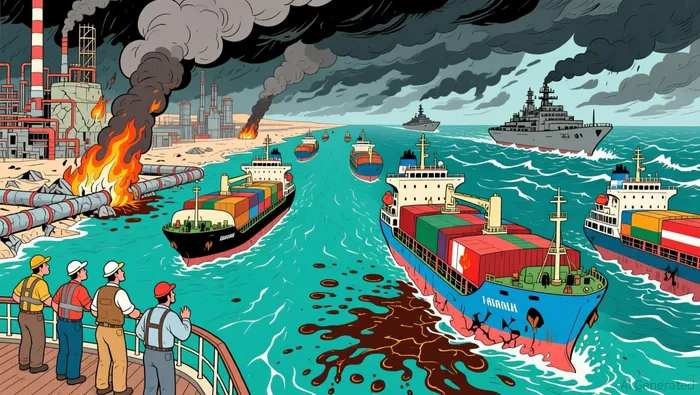
The rise in gasoline prices has also affected diesel, . This increase is expected to last until oil flows normalize. The has raised its forecasts for U.S. oil and natural gas production in response to global supply disruptions, which may help stabilize prices in the long term. However, for now, the market is reacting to the immediate risks to oil supply, and prices are expected to remain elevated in the near term.
What Does This Mean for Investors and Consumers?
The U.S. economy has become less energy-intensive over time, meaning that a rise in oil prices has a smaller impact on overall economic growth than it would have in the past. , . As a result, higher oil prices are less of a drag on consumer spending than they once were. However, the rise in fuel prices still has broad inflationary effects, especially for transportation and logistics sectors. This creates headwinds for companies that rely on diesel for shipping and delivery services.
The situation is also boosting the economic case for alternative energy sources and electric vehicles. As oil prices rise, the cost advantages of cleaner and more efficient transportation options become more apparent. This could accelerate the shift toward renewables and electric vehicles in the long term. For investors, this suggests that energy transition plays could benefit from the current environment, even as traditional energy stocks face near-term volatility.
What to watch next is how quickly oil flows through the Strait of Hormuz return to normal. Until this corridor reopens, global oil prices will remain under upward pressure. Investors should also monitor the EIA’s updated production forecasts and any potential changes in U.S. energy policy as a result of the conflict. The U.S. , but this outcome depends on the resolution of the current crisis in the Middle East.

Stay ahead of the market.
Get curated U.S. market news, insights and key dates delivered to your inbox.


AInvest
PRO
AInvest
PRO



Comments
No comments yet