
Gas Prices Hit 2-Year High as Iran War Disrupts Oil Supply
 Aime Summary
Rising U.S. Gasoline Prices Are Now at a Two-Year High
- Rising U.S. gasoline prices are now at a two-year high due to the war in Iran and disrupted oil supply in the .
- Lower-income households are disproportionately impacted, as they spend a larger share of their budgets on fuel.
- , .
, . This surge is driven by the ongoing war in the Persian Gulf and seasonal factors, including the transition to more expensive summer-blend gasoline. As a result, Americans are spending hundreds of millions more on fuel than a month ago, with households in states like California and New York paying the highest prices. Meanwhile, states like Kansas and Oklahoma offer slightly lower rates due to proximity to oil infrastructure according to CNBC analysis.
Why Is Gas Near Me More Expensive Than a Month Ago?
Gas prices are higher today due to the war between the U.S., Israel, and Iran, which has disrupted oil shipments through the Strait of Hormuz. This strategic chokepoint for global oil supply has seen reduced traffic, sending oil prices soaring and cascading into higher gasoline costs. The has attempted to stabilize the market by releasing crude oil from national reserves, but prices have continued to rise. from GasBuddy 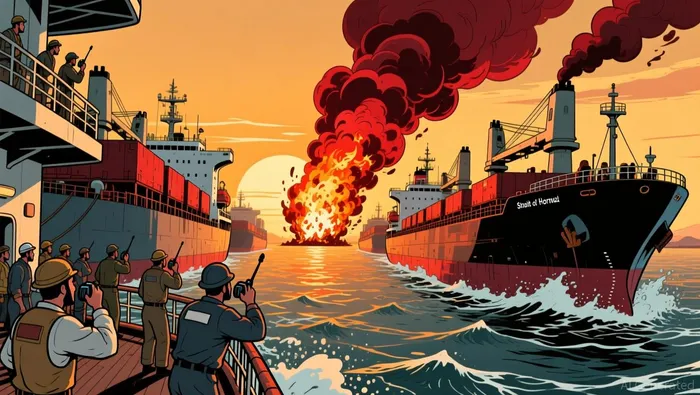 .
.
The impact is not just on drivers—it extends to sectors like food and transportation. Diesel, which powers most of the U.S. freight and transportation networks, has risen sharply, pushing up shipping and logistics costs. That means higher prices for groceries and other goods could be on the horizon. Analysts also warn that rising fuel costs may offset the benefits of tax savings under the .
What to Know About the Impact of the Iran War on the Economy
The war in Iran has triggered a K-shaped economic effect, where higher-income individuals continue to benefit from a strong stock market, while lower and middle-income households struggle with rising costs. Economists warn that this dynamic could worsen inequality and slow overall consumer spending. U.S. , so even small reductions in discretionary spending could ripple through the economy according to .
Moreover, the spike in oil prices is adding pressure to inflation, which has already begun to rise after a brief cooling period in 2026. The Federal Reserve is now facing a difficult decision: either keep interest rates steady or raise them to prevent inflation from getting out of control. With the economy still reeling from previous miscalculations on inflation, the central bank is likely to be cautious as local news reports.
What to Watch Next
Investors should monitor several key indicators in the coming weeks. First, the extent of the war's impact on oil supply through the Strait of Hormuz will be a major factor in determining how high prices go. Iranian officials have claimed the strait remains open, but U.S. and Israeli vessels continue to face restrictions according to .
Second, the timing of the transition to summer-blend gasoline could further elevate prices. This blend is more expensive to produce and is typically introduced in the spring. As a result, even if geopolitical tensions ease, prices may not decline until later this year reports.
Lastly, the Fed's next policy move will be closely watched. If inflation continues to rise, the central bank may be forced to raise interest rates, which could slow economic growth and impact stock markets. For now, the war has created a volatile environment that is challenging both policymakers and investors.
Investors should remain alert to these developments and consider how rising fuel costs could impact their portfolios, especially in sectors like transportation, agriculture, and retail. While higher oil prices can benefit energy stocks in the short term, the broader economic slowdown could offset those gains. Diversification and hedging strategies may become increasingly important in this uncertain environment.

Stay ahead of the market.
Get curated U.S. market news, insights and key dates delivered to your inbox.


AInvest
PRO
AInvest
PRO



Comments
No comments yet