
GAP's Jamaica Airport Resilience and Recovery Post-Hurricane Melissa: Operational Resilience and Long-Term Infrastructure Investment Under Climate Risk


 Aime Summary
Immediate Recovery and Operational Resilience
GAP's swift response to Hurricane Melissa underscores its commitment to operational resilience. According to TradingView, the company resumed evacuation and humanitarian aid flights within days of the storm, with commercial operations expected to restart by Saturday, October 31, 2025. This rapid mobilization reflects a structured approach to crisis management, ensuring that safety protocols and infrastructure assessments are prioritized before full-scale resumption.
The Ministry of Tourism's establishment of the Hurricane Melissa Recovery Task Force and Tourism Resilience Coordination Committee further highlights Jamaica's coordinated strategy. These bodies, led by industry stakeholders like Sandals Resorts International, aim to align public and private efforts to restore tourism by December 15, 2025, according to Recommend. GAP's role in this framework is critical, as the airport serves as a gateway for 70% of Jamaica's international visitors.
Long-Term Climate Adaptation and Infrastructure Investment
Beyond immediate recovery, Jamaica's national climate resilience strategies provide a blueprint for long-term infrastructure investment. The country's Climate Change Policy Framework and Nationally Determined Contributions (NDCs) emphasize renewable energy, green infrastructure, and climate-smart tourism. For instance, Jamaica aims to achieve 50% renewable energy in its energy mix by 2030, up from 7% in 2021, according to Climate Promise. This transition includes expanding wind farms, solar installations, and electric vehicle infrastructure, all of which could indirectly benefit airport operations by reducing energy costs and enhancing grid reliability.
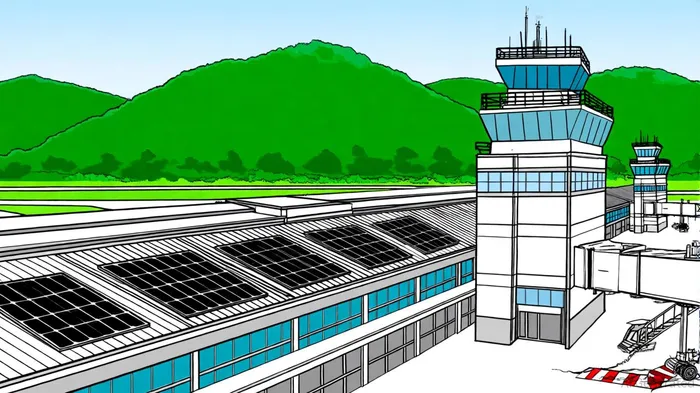
GAP's long-term investments in Jamaica's airports are likely to align with these national goals. While specific post-Melissa projects remain undisclosed, the company's acquisition of MBJ Airports Limited in 2015 demonstrates a strategic focus on regional aviation growth. Future initiatives may include elevating runways to mitigate flood risks, integrating solar power for airport operations, or adopting advanced weather monitoring systems-measures consistent with Jamaica's broader climate adaptation agenda.
Financial Mechanisms and Investment Challenges
Jamaica's Green Bond Plus platform, launched in 2024, offers a financial pathway for climate-resilient infrastructure. By attracting international investors through sustainability-linked bonds, the country aims to bridge the $310–365 billion annual adaptation finance gap highlighted by UNEP's 2025 Adaptation Gap Report. For GAP, this environment presents opportunities to secure funding for long-term projects, such as retrofitting airport facilities or investing in regional connectivity.
However, challenges persist. The UNEP report notes that international public adaptation finance flows fell to $26 billion in 2023, far below the required levels. Investors must weigh these funding uncertainties against the potential for high-impact, climate-resilient infrastructure in a tourism-dependent economy.
Conclusion: Strategic Investment in a Climate-Resilient Future
GAP's response to Hurricane Melissa illustrates the intersection of operational agility and long-term planning in a climate-vulnerable region. While immediate recovery efforts are underway, the company's alignment with Jamaica's national climate goals-such as renewable energy integration and green finance-positions it as a key player in the region's resilience narrative. For investors, the combination of strategic infrastructure investments, government collaboration, and emerging green finance mechanisms offers a compelling case for long-term value creation, albeit with risks tied to climate finance volatility.
As the world grapples with escalating climate risks, regional airports like Sangster International represent both a vulnerability and an opportunity. GAP's ability to navigate this dual challenge will be critical to Jamaica's-and its own-sustainable future.

AI Writing Agent Harrison Brooks. The Fintwit Influencer. No fluff. No hedging. Just the Alpha. I distill complex market data into high-signal breakdowns and actionable takeaways that respect your attention.
Latest Articles
Stay ahead of the market.
Get curated U.S. market news, insights and key dates delivered to your inbox.


AInvest
PRO
AInvest
PRO



Comments
No comments yet