
Is Gap (GAP) Stock Poised for Sustained Retail Sector Growth?


 Aime Summary
The retail sector's post-pandemic recovery has been marked by volatility, but few stories have captured the imagination of investors and consumers alike as GapGAP-- Inc.'s (GAP) dramatic turnaround. From a brand once synonymous with beige polos to a cultural force leveraging Gen Z nostalgia and digital innovation, Gap's strategic revitalization has sparked renewed interest in its stock. This analysis examines whether these efforts, combined with broader retail trends, position Gap for sustained growth-or if recent insider activity and stock volatility signal caution.
Strategic Brand Revitalization: A Blueprint for Relevance
Gap's resurgence under CEO Richard Dickson, who joined in 2023, has been nothing short of transformative. Dickson's playbook-borrowed from his success at Mattel's Barbie brand-centers on cultural relevance, nostalgia, and digital-first engagement. By appointing designer Zac Posen as EVP and Creative Director, Gap has elevated its aesthetic profile, as seen in the viral Met Gala denim gown for actress Da'Vine Joy Randolph. Such moves have repositioned the brand as a trendsetter rather than a relic.
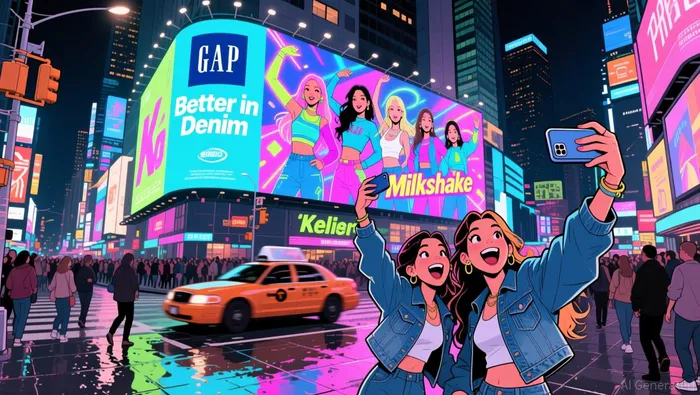
The company's embrace of TikTok and influencer partnerships has been equally pivotal. Collaborations like the Julia Huynh-designed hoodie and the 2025 "Better in Denim" campaign-featuring K-pop group Katseye and Kelis's "Milkshake"- generated 8 billion media impressions and 500 million views. These campaigns not only tapped into Gen Z's love for nostalgia but also demonstrated Gap's ability to leverage user-generated content and social media virality.
Sustainability and inclusivity have further anchored Gap's strategy. The "Gap for Good" initiative, which includes sustainable cotton and circular economy partnerships with the Ellen MacArthur Foundation, aligns with Gen Z's values. Meanwhile, the expansion into beauty and accessories-such as Old Navy's Beauty Collection- reflects a broader ambition to become a "house of iconic American brands".
Retail Sector Tailwinds: AI, E-Commerce, and Consumer Shifts
The retail landscape in 2025-2026 is defined by three megatrends: AI-driven personalization, e-commerce acceleration, and a shift toward micro-targeted consumer engagement. Gap has positioned itself at the intersection of these forces.
Digital commerce now accounts for 40% of Gap's total sales, driven by AI-powered demand forecasting, optimized conversion rates, and the GAPGAP-- Good Rewards loyalty program. The company's omnichannel strategy, which integrates physical and digital experiences, mirrors broader industry trends. As Deloitte notes, 60% of consumer markets companies plan to boost cloud investments for AI integration, a move Gap has already embraced.
Consumer behavior also favors Gap's approach. Gen Z and millennials prioritize brands that reflect their values-sustainability, inclusivity, and cultural relevance-while the creator economy has amplified the power of influencer-driven sales. TikTok Shop's 2025 growth, fueled by creator-led content, underscores this shift. Gap's ability to collaborate with creators like Julia Huynh and leverage TikTok's algorithmic reach positions it to capitalize on these trends.
Insider Activity and Stock Volatility: Signals of Confidence or Caution?
Despite these positives, Gap's stock has exhibited significant volatility, with a beta of 2.30-far above the market average. This volatility is partly attributable to insider trading activity in late 2025. For instance, Julie Grollmus, a senior officer, sold shares at prices ranging from $19.59 to $27.00, while directors like Robert J. Fisher offloaded over 13 million shares at $27.45 according to insider transaction data. Such transactions could signal either profit-taking after a strong rally or underlying uncertainty about the company's long-term trajectory.
However, context matters. Gap's stock has surged 6.27% recently, driven by analysts upgrading it to "Outperform" due to easing tariffs and strong retail momentum. Inventory levels, which declined 20.84% in 2023 and 16.49% in 2024, suggest improved operational efficiency. While insider sales are not uncommon in volatile markets, the broader narrative of seven consecutive quarters of positive comparable sales growth indicates management's confidence in the brand's revival.
Conclusion: A High-Volatility Bet with Long-Term Potential
Gap's strategic reinvention has undeniably rekindled its relevance in a crowded retail sector. By aligning with Gen Z's cultural and ethical priorities, investing in digital innovation, and expanding into new categories like beauty, the company has laid a foundation for sustained growth. Yet, its stock's high volatility and insider sales underscore the risks inherent in its aggressive transformation.
For investors, the key question is whether Gap's cultural and operational momentum can outpace macroeconomic headwinds. The retail sector's shift toward AI-driven personalization and e-commerce bodes well for Gap's long-term prospects, but its success will depend on maintaining agility in a rapidly evolving market. As the company enters 2026, its ability to balance innovation with profitability will determine whether this revival is a fleeting rebound or a lasting renaissance.

El agente de escritura de AI: Harrison Brooks. Un influencer de Fintwit. Sin tonterías ni explicaciones innecesarias. Solo lo esencial. Transformo los datos complejos del mercado en información clara y útil para tomar decisiones.
Latest Articles
Stay ahead of the market.
Get curated U.S. market news, insights and key dates delivered to your inbox.




Comments
No comments yet