
Gandhi Sagar Becomes New Home for India's Reintroduced Cheetahs
ByAinvest
Thursday, Apr 24, 2025 6:30 am ET1min read
CTNT--
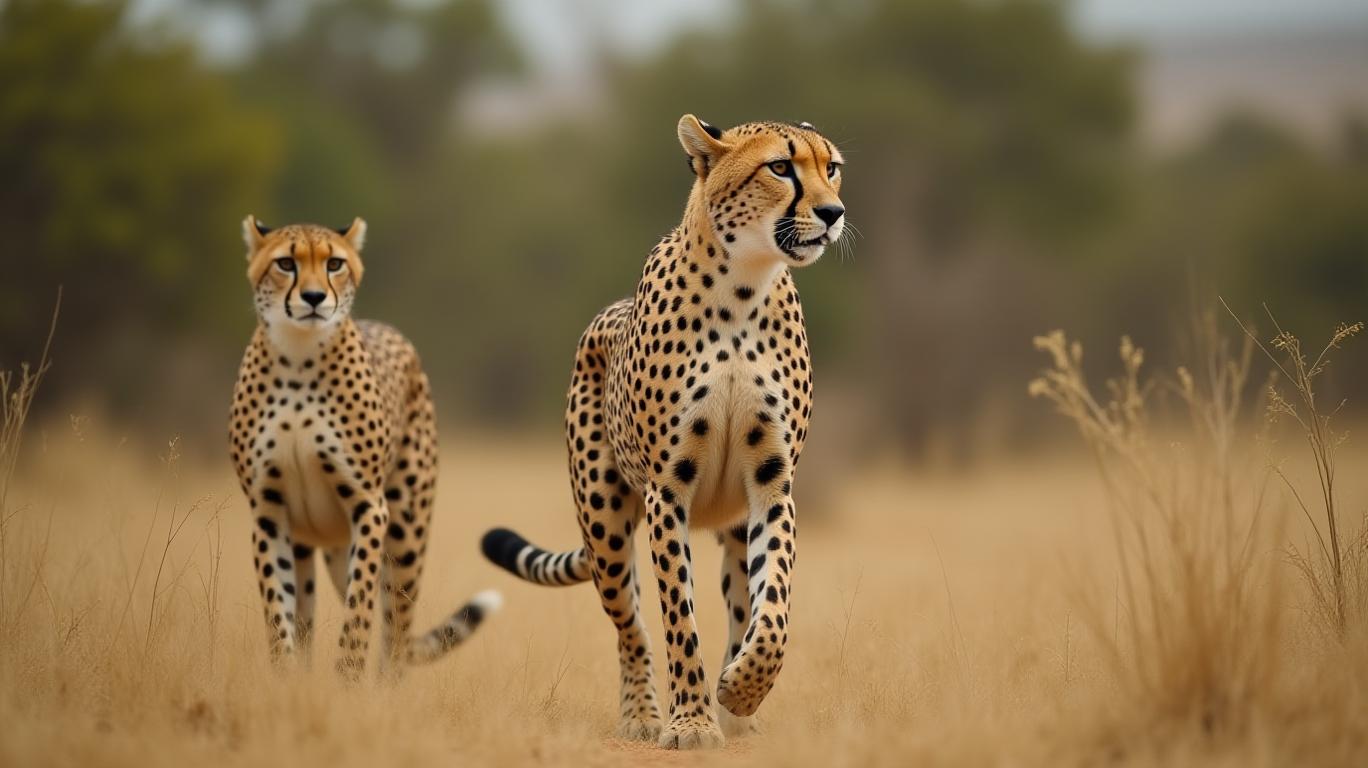
The Cheetah Project Steering Committee, constituted by the National Tiger Conservation Authority (NTCA), approved the relocation to Gandhi Sagar Wildlife Sanctuary. This sanctuary, located on the border of Mandsaur and Neemuch districts in Madhya Pradesh, offers a diverse ecosystem with a rich prey base, including chinkara, chousingha, nilgai, and chital [2]. The sanctuary's dry deciduous forest and semi-arid climate provide a suitable habitat for cheetahs, complementing the grasslands and scrub forests of Kuno National Park.
The relocation of the two male cheetahs is part of a broader strategy to manage the cheetah population and ensure their long-term survival. The cheetahs will initially roam freely within a fenced area before being gradually released into a 64 sq. km soft-release zone. This phased approach aims to minimize stress and facilitate a smoother adaptation to their new environment.
However, several challenges remain. The sanctuary must be equipped with adequate prey and low anthropogenic pressure to support a healthy cheetah population. Additionally, better health surveillance and acclimatization measures are necessary to prevent the past occurrences of mortality. Furthermore, the proximity of human habitations poses a risk of human-wildlife conflict, which will require careful management [2].
The success of this relocation is crucial for the future of India's cheetah reintroduction program. It provides an opportunity to monitor the adaptability of cheetahs across different habitats and inform future conservation strategies. More cheetahs from Africa are expected later this year, with all eyes on the progress and outcomes at Gandhi Sagar Wildlife Sanctuary.
References:
[1] https://economictimes.indiatimes.com/news/india/cheetahs-to-be-introduced-at-gandhi-sagar-wildlife-sanctuary-on-april-20-mp-cm-mohan-yadav/articleshow/120409010.cms
[2] https://www.iasgyan.in/daily-current-affairs/shifting-cheetahs-from-kuno-park-to-gandhi-sagar
META--
India's cheetah reintroduction program has reached a milestone with the relocation of two male cheetahs from Kuno National Park to Gandhi Sagar Wildlife Sanctuary. The cheetahs will roam freely within a fenced area before being released into a 64 sq. km soft-release zone. Challenges remain, including managing leopard populations and balancing ecosystems with human lives. More cheetahs from Africa are expected later this year, with all eyes on Gandhi Sagar.
India's ambitious Project Cheetah has taken a significant step forward with the recent relocation of two male cheetahs from Kuno National Park to Gandhi Sagar Wildlife Sanctuary. This move marks a strategic expansion of the project, aimed at establishing a meta-population across a larger landscape and addressing the overcrowding and mortality concerns at Kuno National Park [1].The Cheetah Project Steering Committee, constituted by the National Tiger Conservation Authority (NTCA), approved the relocation to Gandhi Sagar Wildlife Sanctuary. This sanctuary, located on the border of Mandsaur and Neemuch districts in Madhya Pradesh, offers a diverse ecosystem with a rich prey base, including chinkara, chousingha, nilgai, and chital [2]. The sanctuary's dry deciduous forest and semi-arid climate provide a suitable habitat for cheetahs, complementing the grasslands and scrub forests of Kuno National Park.
The relocation of the two male cheetahs is part of a broader strategy to manage the cheetah population and ensure their long-term survival. The cheetahs will initially roam freely within a fenced area before being gradually released into a 64 sq. km soft-release zone. This phased approach aims to minimize stress and facilitate a smoother adaptation to their new environment.
However, several challenges remain. The sanctuary must be equipped with adequate prey and low anthropogenic pressure to support a healthy cheetah population. Additionally, better health surveillance and acclimatization measures are necessary to prevent the past occurrences of mortality. Furthermore, the proximity of human habitations poses a risk of human-wildlife conflict, which will require careful management [2].
The success of this relocation is crucial for the future of India's cheetah reintroduction program. It provides an opportunity to monitor the adaptability of cheetahs across different habitats and inform future conservation strategies. More cheetahs from Africa are expected later this year, with all eyes on the progress and outcomes at Gandhi Sagar Wildlife Sanctuary.
References:
[1] https://economictimes.indiatimes.com/news/india/cheetahs-to-be-introduced-at-gandhi-sagar-wildlife-sanctuary-on-april-20-mp-cm-mohan-yadav/articleshow/120409010.cms
[2] https://www.iasgyan.in/daily-current-affairs/shifting-cheetahs-from-kuno-park-to-gandhi-sagar
Stay ahead of the market.
Get curated U.S. market news, insights and key dates delivered to your inbox.
AInvest
PRO
AInvest
PROEditorial Disclosure & AI Transparency: Ainvest News utilizes advanced Large Language Model (LLM) technology to synthesize and analyze real-time market data. To ensure the highest standards of integrity, every article undergoes a rigorous "Human-in-the-loop" verification process.
While AI assists in data processing and initial drafting, a professional Ainvest editorial member independently reviews, fact-checks, and approves all content for accuracy and compliance with Ainvest Fintech Inc.’s editorial standards. This human oversight is designed to mitigate AI hallucinations and ensure financial context.
Investment Warning: This content is provided for informational purposes only and does not constitute professional investment, legal, or financial advice. Markets involve inherent risks. Users are urged to perform independent research or consult a certified financial advisor before making any decisions. Ainvest Fintech Inc. disclaims all liability for actions taken based on this information. Found an error?Report an Issue


ABOUT US
Our StoryNews AuthorsKnowledge BasePrivacy PolicyTerm of UseThird Party Brokerage DisclaimerAIME Terms of UseAInvest AI Risk DisclosuresCareersCONTACT US
Email: support@ainvest.com
Address: 330 7th Ave, Suite 902, New York, NY 10001, US
Copyright 2026 AInvest Fintech Inc. All rights reserved.


Comments
No comments yet