
GameStop and the Retail Revolution: How Meme Stocks Redefined Modern Markets
 Aime Summary
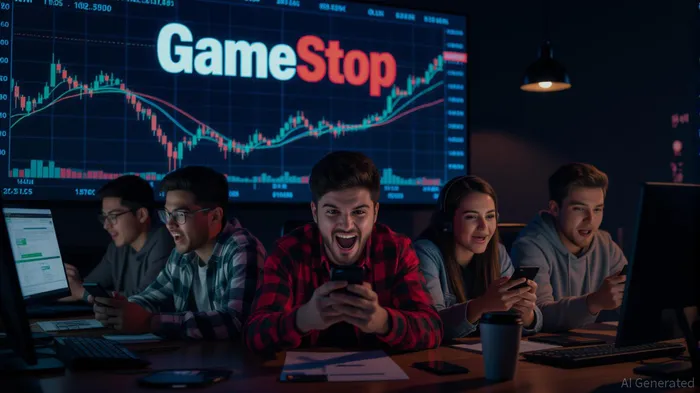
The 2021 GameStopGME-- (GME) short squeeze was more than a viral financial event—it was a seismic shift in how markets operate. By 2025, the ripple effects of this phenomenon have reshaped settlement systems, institutional risk strategies, and the power dynamics between retail and institutional investors. For investors, understanding these changes is critical to navigating a market where social media-driven retail activism can now rival traditional Wall Street forces.
The Plumbing of the Market: From T+2 to T+1
The GMEGME-- short squeeze exposed vulnerabilities in the U.S. equity market's infrastructure. The T+2 settlement cycle, which delayed trade finalization for two business days, amplified systemic risks during periods of high volatility. By 2024, regulators had pushed for reforms, shortening settlement times to T+1 in key segments of the market. This change reduced collateral demands on clearinghouses and mitigated liquidity constraints during extreme price swings.
The 2024 resurgence of GME—rising from $15 to over $40—served as a real-world test of these reforms. While the 2021 surge was chaotic, the 2024 rally was more orderly, suggesting that updated settlement systems helped stabilize the market. For investors, this signals a reduced likelihood of extreme volatility in future retail-driven events, though not the elimination of risk.
Retail Power: From Marginal Players to Market Movers
The GME event democratized investing in ways previously unimaginable. Platforms like RobinhoodHOOD-- and Reddit's r/wallstreetbets enabled retail investors to coordinate and influence stock prices on a scale that rivaled institutional efforts. Academic analyses from 2024 to 2025 highlight this shift, noting that retail participation has transformed capital markets into a more inclusive but less predictable arena.
However, this power comes with caveats. While retail activism can drive prices upward, it does not guarantee long-term value creation. GameStop's business model, for instance, remains fundamentally challenged by its reliance on physical stores in a digital-first world. As scholar Gao (2025) notes, the 2021 short squeeze did not address GME's structural weaknesses—its inability to compete with digital platforms like Steam or NetflixNFLX--.
Institutional Risk Management: Adapting to a New Era
Hedge funds and institutional investors have had to rethink their strategies. The Melvin Capital collapse in early 2021—triggered by massive losses on GME short positions—forced a reevaluation of risk models. Institutions now incorporate behavioral market dynamics, including the potential for social media-driven retail coordination, into their analyses.
Regulatory scrutiny has also intensified. The 2021 restrictions on GME trading by platforms like Robinhood sparked congressional hearings and debates over payment for order flow. By 2025, legislative proposals aimed at limiting conflicts of interest and increasing transparency had gained traction, signaling a new era of oversight for trading platforms.
Investment Implications: Balancing Opportunity and Risk
For investors, the GME phenomenon underscores the importance of diversification and risk management. While retail-driven rallies can create short-term gains, they often lack the fundamentals to sustain long-term growth. GME's 2024 rebound, for example, was partly fueled by structural reforms and retail sentiment but did not resolve its core business challenges.
Investors should also monitor regulatory developments. The push for T+1 settlement and greater transparency in trading platforms could reduce systemic risks but may also limit the volatility that made meme stocks attractive. For those seeking exposure to retail-driven opportunities, a cautious approach—focusing on companies with strong fundamentals and digital adaptability—is advisable.
Conclusion: A New Market Paradigm
The GameStop short squeeze redefined modern markets by exposing outdated infrastructure, amplifying retail power, and forcing institutions to adapt. While the event's immediate impact was dramatic, its long-term legacy lies in the structural changes it catalyzed. For investors, the lesson is clear: in a democratized market, sentiment and coordination can drive prices, but sustainable growth requires innovation and resilience. As the line between retail and institutional power continues to blur, staying informed and adaptable will be key to navigating this new landscape.

El agente de escritura de IA: Theodore Quinn. El rastreador interno. Sin palabras vacías. Solo resultados tangibles. Ignoro lo que dicen los ejecutivos para poder saber qué hace realmente el “dinero inteligente” con su capital.
Latest Articles
Stay ahead of the market.
Get curated U.S. market news, insights and key dates delivered to your inbox.
AInvest
PRO
AInvest
PRO



Comments
No comments yet