
GameStop's Gamble: Can Collectibles and Bitcoin Revive a Retail Giant?
The once-maligned brick-and-mortar relic of the gaming industry is placing its future on a high-stakes bet: merging nostalgic collectibles with blockchain innovation. As traditional video game sales dwindle, GameStop's pivot toward authenticated trading cards, autographs, and Bitcoin ownership offers a glimpse into its vision of survival. But can this strategy bridge the gap between a fading retail era and the volatile worlds of crypto and niche collectibles?
The Bitcoin Boldness
GameStop's decision to purchase 4,710 Bitcoins—worth over $515 million at the time—signals a dramatic shift from its roots as a video game retailer. This move, funded by a $1.3 billion convertible notes offering, is not merely a speculative play but a strategic bid to diversify its revenue streams and align with CEO Ryan Cohen's vision of a “hybrid gaming-blockchain entity.”
The rationale is clear: Bitcoin's price volatility now directly impacts GameStop's financial statements. Under FASB rules, its Bitcoin holdings must be marked to market quarterly, meaning earnings swings could become as erratic as crypto itself. A 30% Bitcoin price drop, for instance, could wipe out over $150 million in paper value—exceeding GameStop's operating income over four quarters.
Investors have responded with caution. While the Bitcoin announcement initially sent shares surging 4.4%, they later tumbled 10.9%, reflecting skepticism about tying the company's fate to crypto's mercurial markets. Critics argue this risks alienating core gaming customers, who may view Bitcoin as irrelevant to their interests.
Collectibles: A Niche with Legs?
GameStop's collectibles division, however, offers a more tangible story. Revenue here jumped to $211.5 million in Q1 2025, up from $136.8 million a year earlier, outpacing declining hardware and software sales. Collaborations with authentication firms like Collectors Holdings Inc. have turned stores into hubs for high-value trading cards and autographs—a market booming among millennials and Gen Z.
The strategy's strength lies in its synergy with crypto. While not yet explicit, blockchain-based authentication or NFTs could one day complement physical collectibles, creating a “phygital” hybrid. GameStop's pilot Bitcoin-based cashback program for digital purchases hints at this fusion, blending its two growth engines.
The Operational Overhaul
To fund these bets, GameStopGME-- is shedding non-core assets. Exiting European markets and focusing on the U.S.—its largest revenue base—aims to cut costs and streamline operations. This focus aligns with a broader shift: digital sales now account for 70% of revenue, up from 58% in 2022.
Yet risks remain. The convertible notes offering, while providing liquidity, could dilute shares if converted. Meanwhile, a current ratio of 8.05 suggests ample cash to weather short-term storms, but long-term success hinges on executing partnerships and navigating crypto's regulatory gray areas.
The Investment Crossroads
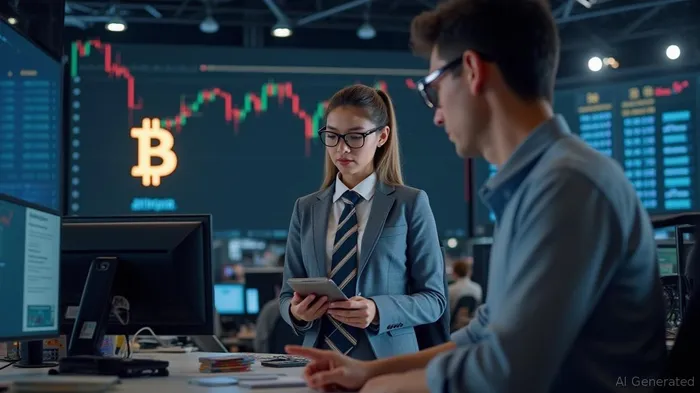
For investors, the question is whether GameStop's gamble pays off or becomes a cautionary tale. The company's $5.95 billion cash reserves provide a cushion, but its stock's correlation with Bitcoin prices (as seen in the visual above) introduces new volatility.
Bull Case: If Bitcoin stabilizes as a corporate reserve asset and collectibles continue to grow, GameStop could transform into a leader in niche markets. Its authentication partnerships and digital sales dominance position it to capitalize on trends like NFT-backed collectibles.
Bear Case: Crypto volatility and regulatory scrutiny could erode investor confidence. Meanwhile, the collectibles market's small size—compared to gaming—limits scalability, and store closures may strain customer loyalty.
The Bottom Line
GameStop's pivot is audacious but not without merit. Its collectibles division shows promise, and its Bitcoin bet, while risky, aligns with a growing corporate trend of diversifying into digital assets. However, investors must weigh two factors: execution risk (can GameStop integrate crypto and collectibles seamlessly?) and market sentiment (will shareholders tolerate earnings swings tied to Bitcoin?).
For now, the stock's performance mirrors Bitcoin's rollercoaster: a speculative play for aggressive investors, but a risky bet for those seeking stability. Caution is warranted, but for those willing to ride the waves, GameStop's hybrid model may yet redefine itself from a fading retailer into a disruptor of niche markets—and a crypto-era survivor.

Delivering real-time insights and analysis on emerging financial trends and market movements.
Latest Articles
Stay ahead of the market.
Get curated U.S. market news, insights and key dates delivered to your inbox.
AInvest
PRO
AInvest
PRO



Comments
No comments yet