
GameStop's Earnings and the Rising Influence of Retail Investor Sentiment in Mainstream Finance


 Aime Summary
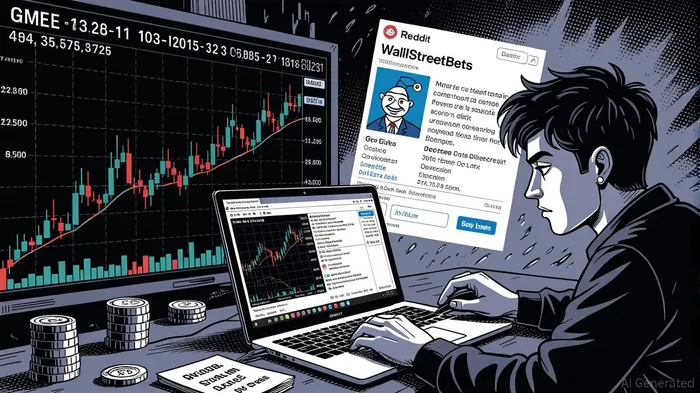
In the wake of the 2021 short squeeze that thrust GameStopGME-- (GME) into the global spotlight, the retail investor movement has evolved from a niche phenomenon into a defining force in modern finance. By 2025, the interplay between corporate performance and crowd-driven speculation has reshaped market dynamics, with GMEGME-- serving as both a cautionary tale and a case study in the power of collective action. As GameStop prepares to report its Q2 2025 earnings on September 9, the stock's trajectory reflects a broader shift in investor psychology—one where sentiment often trumps fundamentals.
GameStop's Financial Turnaround: A Mixed Bag
GameStop's Q1 2025 earnings report revealed a stark contrast between operational improvements and lingering structural challenges. , . This was driven by cost-cutting measures, . Additionally, , signaling better inventory management and pricing strategies.
However, , underscoring the ongoing decline of physical retail in the gaming sector. , this diversification has yet to offset the erosion of traditional hardware and software sales. The company's liquidity position, , provides a buffer, but analysts remain skeptical about its ability to sustain profitability without a digital transformation.
Retail Investor Sentiment: The New Market Driver
The 2021 GameStop saga demonstrated how could disrupt traditional market mechanics. By 2025, this influence has only deepened. Platforms like Quiver Quantitative and AltIndex now provide real-time analytics on short interest, , and trading patterns, enabling coordinated buying efforts. For GME, .
Retail sentiment is amplified by and echo chambers on TikTok, X, and RedditRDDT--. Viral endorsements—such as a single tweet from a prominent influencer—can trigger cascading buying sprees, even in the absence of material corporate news. For example, , suggesting that retail-driven spikes are often followed by corrections.
The Meme Stock Ecosystem: Opportunities and Risks
The 2025 cycle has expanded beyond GME to include dozens of speculative equities, from obscure AI startups to struggling retailers. This diffusion has fragmented market attention, creating inefficiencies and liquidity gaps. While the S&P 500's performance has drawn investors toward high-beta assets, meme stocks remain a "junk rally" driven by greed and sentiment rather than earnings.
For GME, the challenge lies in balancing its operational turnaround with the expectations of a retail-driven investor base. , but they must be weighed against the risk of overhyped narratives. As one analyst noted, "GME's stock price is less about its business model and more about the next viral post."
Investment Considerations: Navigating the New Normal
For investors, the key takeaway is clear: meme stocks like GME are high-risk, high-reward propositions. While GameStop's Q1 earnings suggest a path to profitability, the stock's volatility remains tied to retail sentiment. Here are three considerations:
- Diversification is Key: Meme stocks should constitute a small portion of a portfolio, given their speculative nature.
- Monitor Sentiment Metrics: Use tools like AltIndex to track social media sentiment and short-interest data.
- Focus on Fundamentals in the Long Term: While retail-driven rallies can create short-term gains, sustainable returns require a focus on corporate performance.
Conclusion: A Market in Transition
GameStop's journey from a struggling retailer to a symbol of retail investor power highlights the evolving nature of financial markets. While the company's Q1 earnings demonstrate operational discipline, its stock price remains a barometer of collective sentiment. As regulators grapple with the role of social media in market dynamics, investors must navigate a landscape where psychology often trumps economics. For GME and similar stocks, the future will be defined not just by balance sheets, but by the next viral idea.

Delivering real-time insights and analysis on emerging financial trends and market movements.
Latest Articles
Stay ahead of the market.
Get curated U.S. market news, insights and key dates delivered to your inbox.


AInvest
PRO
AInvest
PRO




Comments
No comments yet