
G20 Tensions and Platinum's Edge: How Geopolitical Risks Create Supply Chain Opportunities
The absence of U.S. Treasury Secretary Scott Bessent from South Africa's G20 meetings this July symbolizes a rift that could reshape global supply chains. As trade tensions escalate, critical minerals like platinum and cobalt—vital for EVs, catalytic converters, and industrial machinery—are caught in the crossfire. Yet, this disruption also opens a rare window for investors to capitalize on undervalued logistics and tech infrastructure players.
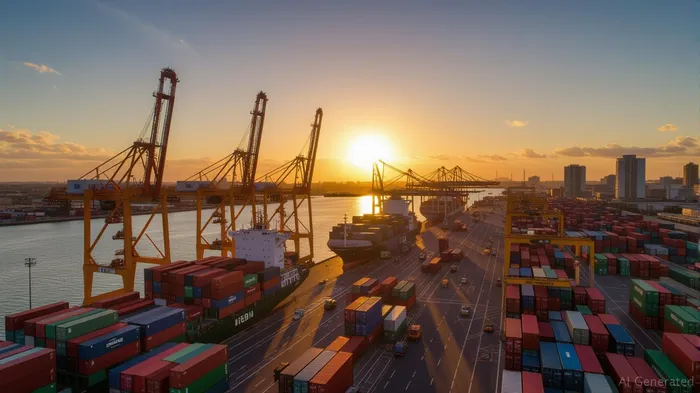
The Geopolitical Tightrope
The U.S. has imposed a 30% tariff on South African goods—except for critical minerals like platinum, manganese, and chrome—highlighting their strategic importance to American industries. While the automotive and agricultural sectors suffer, the exemption of platinum (76% of South Africa's U.S. exports) underscores its irreplaceable role in autocatalysts and clean energy technologies. However, cobalt—a key component in EV batteries—faces uncertainty, as it's not explicitly exempt, leaving it vulnerable to tariffs unless classified under broader mineral categories.
The broader geopolitical context is equally fraught. South Africa's alignment with BRICS+ and its stance on land reform have fueled U.S. sanctions threats, while the “America First” agenda has prioritized unilateral trade measures. This tension risks destabilizing supply chains for minerals critical to global industries, creating vulnerabilities that investors can exploit.
Supply Chain Weaknesses and Hidden Gems
South Africa's logistics infrastructure is its Achilles' heel. State-owned Transnet, which controls 90% of the country's ports and rail, faces bottlenecks from aging infrastructure and permit delays. For example, the port of Durban handles 75% of South Africa's container traffic but struggles with congestion, raising costs for exporters. Meanwhile, the Walvis Bay port in Namibia—key for DRC cobalt shipments—is underfunded.
The Opportunity: Logistics firms with exposure to Transnet's modernization plans or tech-driven supply chain solutions are undervalued. Consider:
Transnet SOC Limited (JSE:TNX): Despite operational challenges, its rail and port upgrades (e.g., a $2.8 billion expansion to handle 11 million TEUs by 2030) position it to capture $10B in infrastructure spending over the next decade.
DHL Supply Chain (SA): A subsidiary of DHL Global Forwarding, it benefits from South Africa's pivot to Asian markets (e.g., a $5B agricultural trade deal with China). Its expertise in perishables and high-value goods aligns with the citrus and platinum export booms.
GreenScreens AI: Acquired by Triumph FinancialTFIN-- in 2025, this firm uses machine learning to optimize freight pricing and route planning—a must for cobalt and platinum logistics in volatile markets.
Tech Infrastructure: The Invisible Shield
The digitalization of logistics is critical to mitigating supply chain risks. Companies leveraging AI, IoT, and blockchain to track minerals from mine to market are primed for growth. For instance:
- Reload Logistics: A South African firm offering multimodal solutions, it uses satellite tracking and weather analytics to navigate rail delays and port congestion.
- Hexagon Mining: Partnering with South African miners, its digital tools (e.g., autonomous haul trucks) reduce costs for platinum extraction—a sector where 75% of global reserves lie.
The African Continental Free Trade Area (AfCFTA) adds urgency. By 2030, intra-African trade could grow by 80%, driving demand for tech-enabled logistics hubs.
Investment Thesis: Buy the Dip, Hedge the Risk
Buy: Logistics and tech infrastructure stocks tied to critical minerals. Transnet and DHL Supply Chain (SA) offer exposure to South Africa's infrastructure renaissance, while GreenScreens AI and Hexagon Mining benefit from the digitization of mineral supply chains.
Hedge: Pair equity exposure with South African bonds (e.g., iShares MSCI South AfricaEZA-- ETF, EZA) to offset currency volatility. The rand's 10% depreciation against the dollar in 2025 creates a “buy low” environment for hard assets.
Avoid: U.S.-exposed sectors like automotive (e.g., Ford's South African operations) until tariff clarity emerges.
Conclusion
The U.S.-South Africa trade war isn't just about tariffs—it's a battle for control of the minerals that power the 21st-century economy. While platinum's exemption shields it from immediate harm, cobalt's fate and broader logistics bottlenecks pose systemic risks. For investors, this is a chance to back the unsung heroes of supply chains: the Transnets and GreenScreens of the world, whose undervalued stocks could turn geopolitical friction into profit.
The G20 summit may end without a deal, but the real winners will be those who bet on the infrastructure bridging Africa's minerals to the world.

Stay ahead of the market.
Get curated U.S. market news, insights and key dates delivered to your inbox.






Comments
No comments yet