
Futures Gone, Spot Stays: Binance Delists MANA, EGLD Amid Shifting Demand


 Aime Summary
Binance, the world's largest cryptocurrency exchange by trading volume, announced this week it will delist the perpetual futures contracts for MANAMANA-- and EGLDEGLD--, two altcoins tied to the metaverse and blockchain ecosystems. The delisting, set for 9:00 a.m. UTC on June 13, will prevent traders from opening new positions or rolling over existing ones for these pairs, though spot trading for both assets will remain unaffected. The move has sparked immediate market reactions, with prices for MANA and EGLD fluctuating as traders adjust to the news, according to an essential guide.
The decision reflects Binance's ongoing strategy to streamline its product offerings based on market demand and liquidity metrics. Perpetual futures contracts, which allow traders to bet on price movements without expiration dates, require consistent trading activity to maintain their viability. According to the exchange, low trading volume and shifting user interest were key factors in the delisting. "Exchanges regularly assess their product portfolios to ensure they align with user needs and market conditions," the announcement stated, the guide noted.
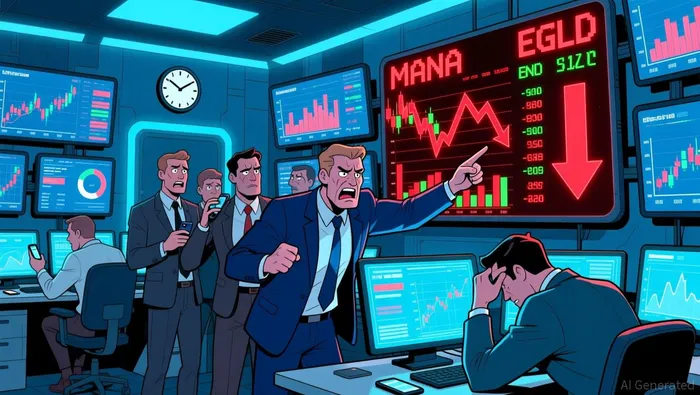 For traders holding positions in MANA or EGLD perpetual futures, the deadline creates urgency. Binance advised users to close open positions before the delisting to avoid automatic settlement at the final mark price. The exchange also emphasized that while the move affects futures trading, spot markets for both tokens will remain operational. This distinction is critical, as spot trading allows direct buying and selling of the underlying assets, preserving access for investors uninterested in leveraged futures, the guide added.
The broader implications of the delisting highlight the dynamic nature of crypto markets. Binance's quarterly review process, which evaluates trading pairs based on performance metrics, underscores the industry's volatility. Analysts note that such decisions often signal waning interest in specific assets, though they do not necessarily reflect the long-term value of the projects themselves. "Delistings are routine in crypto," said a market analyst in a separate report. "They encourage traders to stay informed and adapt strategies to evolving opportunities," the article observed.
The market response has been mixed. While some traders expressed concern over reduced liquidity for MANA and EGLD futures, others viewed the move as a natural consequence of market cycles. Prices for both tokens dipped slightly following the announcement but stabilized as traders processed the information. Binance's transparency in setting a clear deadline and providing guidance has been praised, though some users called for more detailed explanations of the delisting criteria, the guide reported.
Looking ahead, the delisting could prompt traders to explore alternative platforms that still offer MANA and EGLD perpetual futures. However, the exchange warned users to conduct due diligence on any alternative platforms, emphasizing security and regulatory compliance. Binance also reiterated its commitment to introducing new products as market conditions evolve, a strategy aimed at balancing innovation with operational efficiency, the article noted.
The decision aligns with broader trends in crypto exchange management. As regulatory scrutiny intensifies and market competition grows, exchanges are increasingly prioritizing high-liquidity pairs and strategic partnerships. Binance's move to delist underperforming contracts mirrors similar actions by other major exchanges, which regularly adjust their offerings to reflect user preferences and compliance requirements, according to the guide.

Stay ahead of the market.
Get curated U.S. market news, insights and key dates delivered to your inbox.


AInvest
PRO
AInvest
PRO



Comments
No comments yet