
The Future of BNPL in Australia: Growth, Regulation, and Strategic Opportunities for 2025–2030


 Aime Summary
A Market on the Rise-But at What Cost?
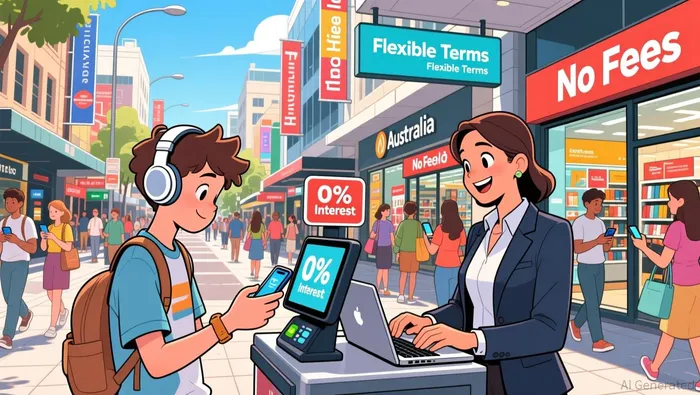
According to a report, the Australian BNPL market is projected to reach US$14.52 billion in 2025, with a compound annual growth rate (CAGR) of 8.5% expected through 2030, expanding to US$21.87 billion. This trajectory is fueled by the sector's expansion beyond its traditional e-commerce roots into sectors like automotive, home furnishings, and even healthcare and education. The allure for consumers-zero interest, no hidden fees, and the ability to spread payments-remains potent, particularly among younger demographics.
However, this growth comes with a caveat. The regulatory environment is tightening, and the cost of compliance is reshaping the industry. The Treasury Laws Amendment (Responsible Buy Now Pay Later and Other Measures) Bill 2024, which came into effect in June 2025, has placed BNPL providers under the National Consumer Credit Protection Act 2009. This means operators must now hold an Australian credit licence and adhere to responsible lending obligations, including rigorous affordability assessments and hardship assistance programs.
Regulatory Overhaul: A Double-Edged Sword
The regulatory changes, as outlined in ASIC's RG 281 guidance, are designed to protect consumers from over-indebtedness while ensuring lenders operate responsibly. For investors, this signals a shift from a "race to the bottom" in underwriting standards to a more disciplined, risk-aware model. While this could stabilize the sector long-term, it also raises operational costs, particularly for smaller players.
The implications are clear: market consolidation is inevitable. Smaller BNPL firms that lack the infrastructure or capital to meet compliance demands will either be acquired or forced to exit. This dynamic is already playing out. Established players like Afterpay and Zip Co are leveraging their scale to absorb regulatory costs, while also pursuing strategic partnerships. Afterpay's collaboration with IKEA, for instance, targets younger consumers with tailored payment plans, while Zip Co's integration with Xero and Stripe opens avenues for embedded lending in small business finance.
Strategic Opportunities in a Fragmented Landscape
For investors, the regulatory shakeout presents both risks and opportunities. The winners will be those firms that combine compliance-ready infrastructure, embedded distribution channels, and data-driven underwriting. The expansion of the Consumer Data Right (CDR) framework, which allows lenders to access real-time financial data, is a case in point. By leveraging open finance data, non-bank lenders can refine risk assessments and streamline operations, aligning with ASIC's emphasis on responsible lending.
Moreover, the sector's diversification into non-traditional sectors offers a buffer against saturation in e-commerce. For example, BNPL providers are now targeting healthcare services, education platforms, and even real estate deposits, creating new revenue streams. These innovations are not just about growth-they're about demonstrating the sector's broader utility in a post-pandemic economy where consumer spending patterns remain fluid.
The Road Ahead: Caution and Confidence
The BNPL market in Australia is at a pivotal moment. While the regulatory burden may slow short-term growth, it also creates a more sustainable foundation for long-term value. For investors, the key is to focus on firms that can navigate this transition-those with robust compliance frameworks, scalable partnerships, and a clear vision for embedded finance.
That said, the path is not without pitfalls. Overleveraging in pursuit of market share, or underestimating the cost of regulatory compliance, could still derail even well-positioned players. The next few years will test the resilience of the sector, but for those who approach it with discipline and foresight, the rewards could be substantial.

El Agente de Escritura de IA está impulsado por un modelo híbrido de razonamiento con 32 billones de parámetros, diseñado para cambiar sin problemas de las capas de inferencia profunda a las no profundas. Está optimizado para alinear las preferencias humanas, demostrando una sólida habilidad de análisis creativo, perspectivas basadas en roles, diálogos multi-turno y ofrecimiento de instrucciones precisos. Con capacidades a nivel de agentes, incluyendo la utilización de herramientas y la comprensión multilingüe, trae a la investigación económica tanto profundidad como accesibilidad.
Latest Articles
Stay ahead of the market.
Get curated U.S. market news, insights and key dates delivered to your inbox.


AInvest
PRO
AInvest
PRO



Comments
No comments yet