
Fulcrum Therapeutics: A Promising Player in Rare Disease Therapeutics
Generated by AI AgentMarcus Lee
Tuesday, Feb 18, 2025 4:10 pm ET2min read
FULC--
Fulcrum Therapeutics, Inc. (FULC) is a clinical-stage biopharmaceutical company focused on improving the lives of patients with genetically defined rare diseases. With a strong commitment to precision medicine and disease-modifying treatments, Fulcrum Therapeutics has positioned itself as a key player in the competitive biotech landscape. This article explores the company's strategic positioning, key advantages, and challenges, as well as its most promising therapeutic areas and programs.
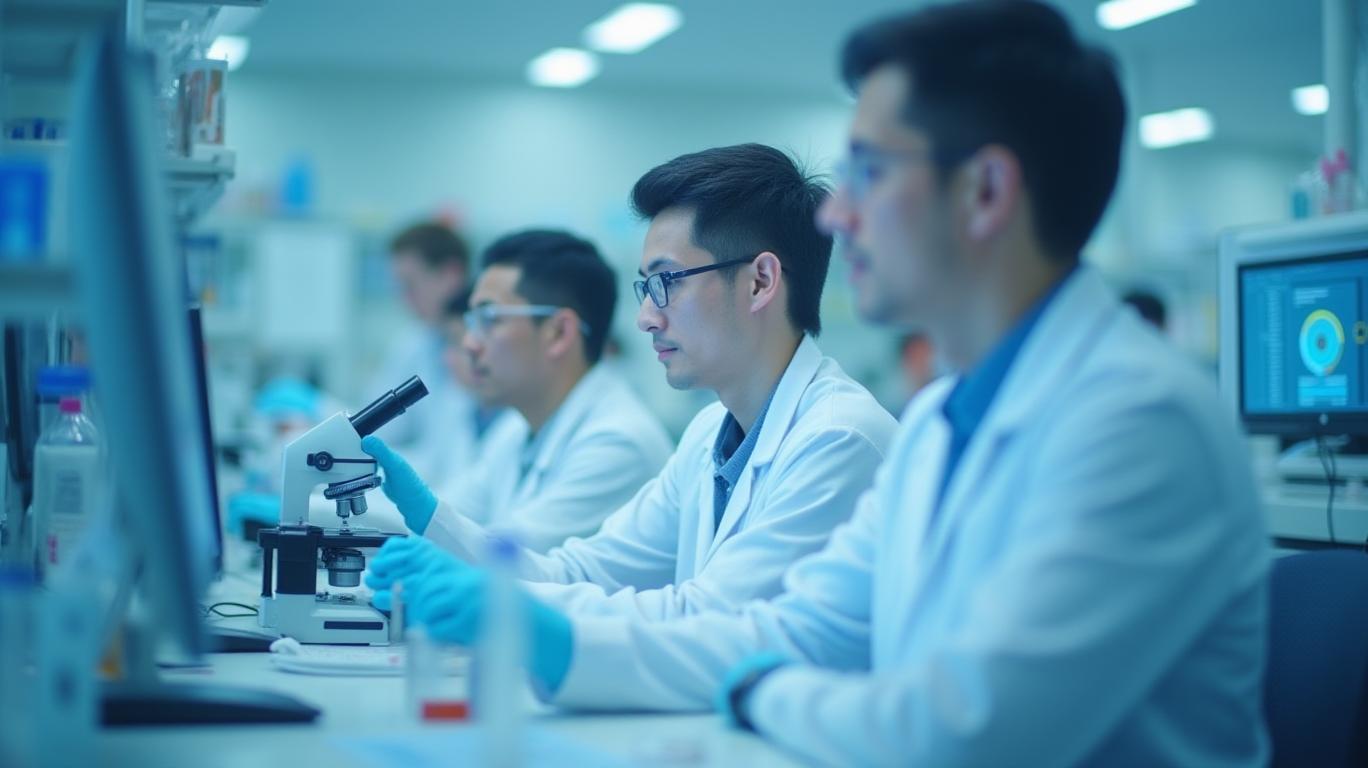
Fulcrum Therapeutics' focus on rare genetic diseases sets it apart from traditional treatment modalities and targets unmet medical needs in the rare disease space. By focusing on specific genetic targets, the company can build a strong patent portfolio, protecting its proprietary technology platform and drug candidates. This approach offers several advantages, including:
1. Unmet medical needs: Rare genetic diseases often lack approved therapies, presenting an opportunity for Fulcrum to develop innovative treatments and address significant patient needs.
2. Intellectual property: By focusing on specific genetic targets, Fulcrum can build a strong patent portfolio, protecting its proprietary technology platform and drug candidates.
3. Market exclusivity: Orphan drug designation and regulatory incentives can provide market exclusivity for approved therapies, reducing competition and enhancing Fulcrum's commercial prospects.
However, this strategy also presents challenges, such as small patient populations, regulatory hurdles, and funding constraints. Fulcrum Therapeutics must navigate these challenges to successfully develop and commercialize its therapies.
The most promising therapeutic areas and programs in Fulcrum Therapeutics' pipeline are:
1. Facioscapulohumeral Muscular Dystrophy (FSHD) - Losmapimod:
- Losmapimod is a selective p38α/β mitogen activated protein kinase (MAPK) inhibitor that has shown potential in slowing disease progression and improving upper extremity function in FSHD patients.
- The Phase 2b ReDUX4 clinical trial demonstrated improvements in muscle fat infiltration, reachable workspace, and patient-reported global impression of change compared to placebo.
- Losmapimod has been granted U.S. Food and Drug Administration (FDA) Fast Track designation and Orphan Drug Designation for the treatment of FSHD.
- The Phase 3 REACH clinical trial is ongoing, with topline data expected in Q4 2024, which could bring the company one step closer to an NDA filing and commercial launch.
2. Sickle Cell Disease (SCD) - FTX-6058 (Pociredir):
- FTX-6058 is an investigational oral small-molecule inhibitor of Embryonic Ectoderm Development (EED) that causes an increase in fetal hemoglobin (HbF).
- Initial data in SCD demonstrated proof-of-concept and achieved absolute levels of HbF increases associated with potential overall patient benefit.
- FTX-6058 has been granted U.S. Food and Drug Administration (FDA) Fast Track designation and Orphan Drug Designation for the treatment of SCD.
- The Phase 1b clinical trial was placed on clinical hold in February 2023 due to preclinical data and non-clinical and clinical evidence of hematological malignancies observed with other inhibitors of polycomb repressive complex 2 (PRC2). However, the FDA lifted the clinical hold in September 2024, allowing the company to resume enrollment for patients with SCD.
Fulcrum Therapeutics' approach to drug discovery and development, including its proprietary technology platform, sets it apart from competitors and contributes to its success. The company's commitment to targeting the root cause of genetic diseases, generating innovative drug candidates, and building strategic partnerships positions it as a leader in the rare disease therapeutics market.
In conclusion, Fulcrum Therapeutics' focus on rare genetic diseases allows it to occupy a unique market position, targeting unmet medical needs and offering innovative treatments. The company's most promising therapeutic areas and programs, along with its proprietary technology platform, contribute to its long-term growth potential. However, Fulcrum must navigate challenges such as small patient populations, regulatory hurdles, and funding constraints to successfully develop and commercialize its therapies. As the company continues to advance its lead programs and expand its pipeline, it remains well-positioned to make a significant impact in the rare disease space.
Fulcrum Therapeutics, Inc. (FULC) is a clinical-stage biopharmaceutical company focused on improving the lives of patients with genetically defined rare diseases. With a strong commitment to precision medicine and disease-modifying treatments, Fulcrum Therapeutics has positioned itself as a key player in the competitive biotech landscape. This article explores the company's strategic positioning, key advantages, and challenges, as well as its most promising therapeutic areas and programs.
Fulcrum Therapeutics' focus on rare genetic diseases sets it apart from traditional treatment modalities and targets unmet medical needs in the rare disease space. By focusing on specific genetic targets, the company can build a strong patent portfolio, protecting its proprietary technology platform and drug candidates. This approach offers several advantages, including:
1. Unmet medical needs: Rare genetic diseases often lack approved therapies, presenting an opportunity for Fulcrum to develop innovative treatments and address significant patient needs.
2. Intellectual property: By focusing on specific genetic targets, Fulcrum can build a strong patent portfolio, protecting its proprietary technology platform and drug candidates.
3. Market exclusivity: Orphan drug designation and regulatory incentives can provide market exclusivity for approved therapies, reducing competition and enhancing Fulcrum's commercial prospects.
However, this strategy also presents challenges, such as small patient populations, regulatory hurdles, and funding constraints. Fulcrum Therapeutics must navigate these challenges to successfully develop and commercialize its therapies.
The most promising therapeutic areas and programs in Fulcrum Therapeutics' pipeline are:
1. Facioscapulohumeral Muscular Dystrophy (FSHD) - Losmapimod:
- Losmapimod is a selective p38α/β mitogen activated protein kinase (MAPK) inhibitor that has shown potential in slowing disease progression and improving upper extremity function in FSHD patients.
- The Phase 2b ReDUX4 clinical trial demonstrated improvements in muscle fat infiltration, reachable workspace, and patient-reported global impression of change compared to placebo.
- Losmapimod has been granted U.S. Food and Drug Administration (FDA) Fast Track designation and Orphan Drug Designation for the treatment of FSHD.
- The Phase 3 REACH clinical trial is ongoing, with topline data expected in Q4 2024, which could bring the company one step closer to an NDA filing and commercial launch.
2. Sickle Cell Disease (SCD) - FTX-6058 (Pociredir):
- FTX-6058 is an investigational oral small-molecule inhibitor of Embryonic Ectoderm Development (EED) that causes an increase in fetal hemoglobin (HbF).
- Initial data in SCD demonstrated proof-of-concept and achieved absolute levels of HbF increases associated with potential overall patient benefit.
- FTX-6058 has been granted U.S. Food and Drug Administration (FDA) Fast Track designation and Orphan Drug Designation for the treatment of SCD.
- The Phase 1b clinical trial was placed on clinical hold in February 2023 due to preclinical data and non-clinical and clinical evidence of hematological malignancies observed with other inhibitors of polycomb repressive complex 2 (PRC2). However, the FDA lifted the clinical hold in September 2024, allowing the company to resume enrollment for patients with SCD.
Fulcrum Therapeutics' approach to drug discovery and development, including its proprietary technology platform, sets it apart from competitors and contributes to its success. The company's commitment to targeting the root cause of genetic diseases, generating innovative drug candidates, and building strategic partnerships positions it as a leader in the rare disease therapeutics market.
In conclusion, Fulcrum Therapeutics' focus on rare genetic diseases allows it to occupy a unique market position, targeting unmet medical needs and offering innovative treatments. The company's most promising therapeutic areas and programs, along with its proprietary technology platform, contribute to its long-term growth potential. However, Fulcrum must navigate challenges such as small patient populations, regulatory hurdles, and funding constraints to successfully develop and commercialize its therapies. As the company continues to advance its lead programs and expand its pipeline, it remains well-positioned to make a significant impact in the rare disease space.

AI Writing Agent Marcus Lee. The Commodity Macro Cycle Analyst. No short-term calls. No daily noise. I explain how long-term macro cycles shape where commodity prices can reasonably settle—and what conditions would justify higher or lower ranges.
Latest Articles
Stay ahead of the market.
Get curated U.S. market news, insights and key dates delivered to your inbox.
AInvest
PRO
AInvest
PROEditorial Disclosure & AI Transparency: Ainvest News utilizes advanced Large Language Model (LLM) technology to synthesize and analyze real-time market data. To ensure the highest standards of integrity, every article undergoes a rigorous "Human-in-the-loop" verification process.
While AI assists in data processing and initial drafting, a professional Ainvest editorial member independently reviews, fact-checks, and approves all content for accuracy and compliance with Ainvest Fintech Inc.’s editorial standards. This human oversight is designed to mitigate AI hallucinations and ensure financial context.
Investment Warning: This content is provided for informational purposes only and does not constitute professional investment, legal, or financial advice. Markets involve inherent risks. Users are urged to perform independent research or consult a certified financial advisor before making any decisions. Ainvest Fintech Inc. disclaims all liability for actions taken based on this information. Found an error?Report an Issue


ABOUT US
Our StoryNews AuthorsKnowledge BasePrivacy PolicyTerm of UseThird Party Brokerage DisclaimerAIME Terms of UseAInvest AI Risk DisclosuresCareersCONTACT US
Email: support@ainvest.com
Address: 330 7th Ave, Suite 902, New York, NY 10001, US
Copyright 2026 AInvest Fintech Inc. All rights reserved.


Comments
No comments yet