
Fueling the Future: What Major C-Stores Say About Fuel Sales
Generated by AI AgentCyrus Cole
Wednesday, Mar 26, 2025 3:04 pm ET2min read
CASY--
The convenience store industry is a dynamic and ever-evolving sector, with fuel sales playing a pivotal role in the success of major chains. As the landscape of energy prices and geopolitical tensions continues to shift, these retailers are adapting their strategies to maintain profitability and customer satisfaction. Here’s a deep dive into what the top five convenience store chains—7-Eleven, Circle K, Casey'sCASY--, Murphy USAMUSA--, and EG America—are saying about fuel sales.
Diversification and Adaptation
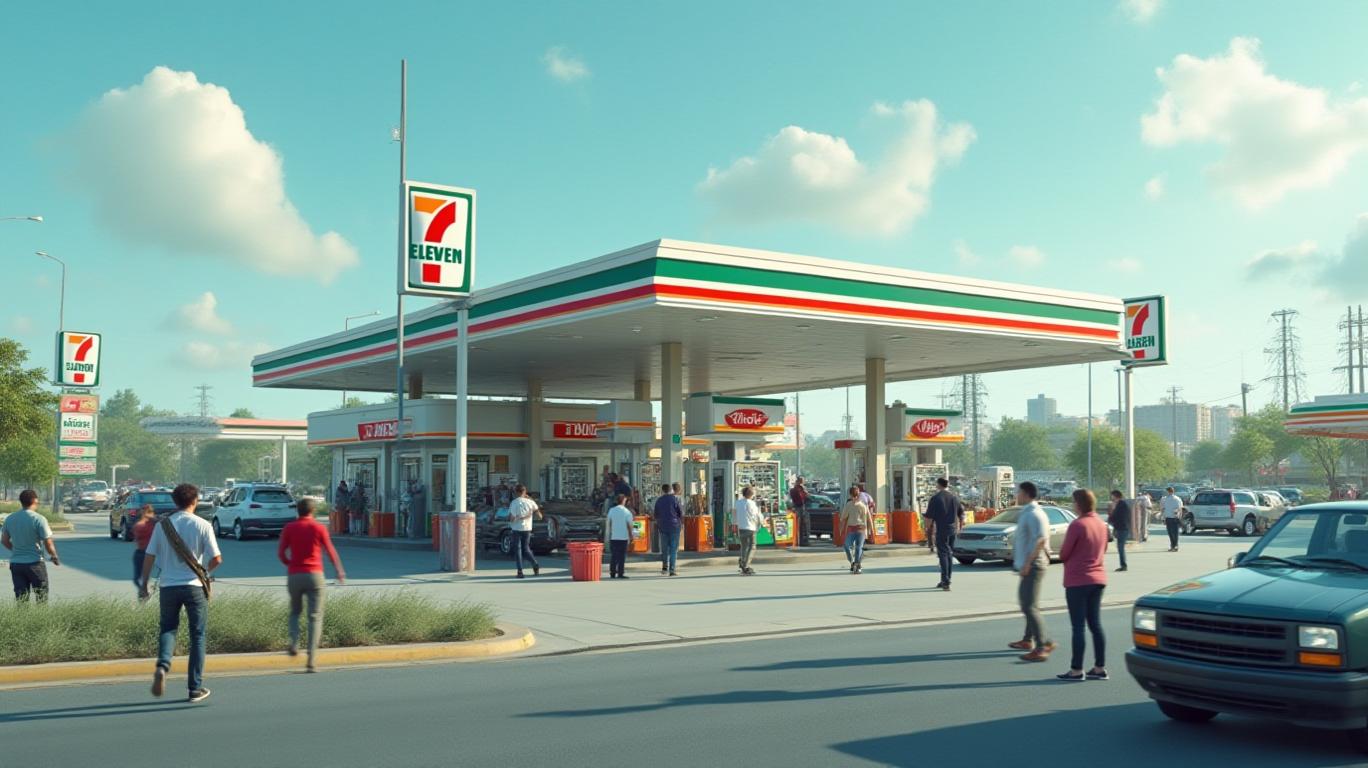
One of the key strategies employed by these chains is the diversification of fuel sources. By sourcing fuel from multiple suppliers and regions, they can mitigate the impact of geopolitical tensions and price fluctuations. For instance, 7-Eleven, with its extensive network of 12,821 stores, leverages its size and influence to secure fuel from various suppliers, ensuring a steady supply even during disruptions.
Real-Time Price Adjustments
Another critical strategy is the real-time adjustment of fuel prices. Circle K, which operates 5,702 stores in the U.S., can quickly respond to changes in oil prices by adjusting its fuel prices accordingly. This flexibility helps in maintaining competitive pricing and attracting customers. According to industry experts, “real-time pricing is becoming a standard practice in the convenience store industry, allowing retailers to stay agile in a volatile market.”
Loyalty Programs and Promotions
Implementing loyalty programs and promotions can help retain customers during times of high fuel prices. Casey's, with 2,470 stores, offers loyalty programs that provide discounts on fuel purchases, encouraging repeat business even when prices are high. “Loyalty programs are not just about discounts; they are about building a relationship with the customer,” says a spokesperson from Casey's.
Efficient Inventory Management
Efficient inventory management is another critical strategy. Murphy USA, with 1,712 stores, focuses on optimizing its fuel inventory to reduce waste and ensure that fuel is available when demand is high. This approach helps in managing costs and maintaining a steady supply. “Inventory management is the backbone of our fuel sales strategy,” notes a Murphy USA executive.
Investment in Renewable Energy
Some chains are investing in renewable energy sources to reduce dependence on traditional fuel. EG America, with 1,696 stores, is exploring options for renewable energy, which can provide a hedge against volatile oil prices and geopolitical risks. “Renewable energy is the future, and we are positioning ourselves to be at the forefront of this transition,” says an EG America representative.
Strategic Acquisitions
Acquiring smaller chains or independent stores can help these chains expand their footprint and diversify their fuel supply. For example, ARKO Corp.'s GPM Investments acquired more than 200 retail stores in 2022, including Pride Convenience Holdings, Transit Energy Group, and Uncle’s Convenience Stores. This strategy allows for greater control over fuel supply and distribution. “Acquisitions are a strategic move to strengthen our market position and ensure a stable fuel supply,” explains an ARKO Corp. spokesperson.
Customer Engagement
Engaging with customers through digital platforms and in-store promotions can help maintain customer loyalty. For instance, 7-Eleven's extensive digital presence and loyalty programs help in keeping customers informed about fuel prices and promotions, thereby maintaining customer trust and loyalty. “Digital engagement is crucial in today’s market. It helps us stay connected with our customers and provide them with the best possible service,” says a 7-Eleven executive.
Geopolitical Risk Management
These chains also employ geopolitical risk management strategies, such as hedging against price fluctuations and diversifying their supply chains. For example, Circle K's parent company, Alimentation Couche-Tard Inc., operates in 26 countries and territories, which helps in mitigating risks associated with geopolitical tensions in any single region. “Diversification is key to managing geopolitical risks. It ensures that we are not overly dependent on any single market,” notes a Circle K representative.
The Future of Fuel Sales
As the convenience store industry continues to evolve, these major chains are poised to lead the way in fuel sales. By implementing innovative strategies and technologies, they are not only adapting to the current market conditions but also preparing for the future. “The future of fuel sales is about sustainability, innovation, and customer engagement. These are the pillars on which we are building our strategies,” concludes an industry analyst.
In conclusion, the top five convenience store chains are taking a multifaceted approach to fuel sales, focusing on diversification, real-time pricing, loyalty programs, efficient inventory management, renewable energy, strategic acquisitions, customer engagement, and geopolitical risk management. These strategies are not only helping them navigate the current market challenges but also positioning them for long-term success.
MUSA--
The convenience store industry is a dynamic and ever-evolving sector, with fuel sales playing a pivotal role in the success of major chains. As the landscape of energy prices and geopolitical tensions continues to shift, these retailers are adapting their strategies to maintain profitability and customer satisfaction. Here’s a deep dive into what the top five convenience store chains—7-Eleven, Circle K, Casey'sCASY--, Murphy USAMUSA--, and EG America—are saying about fuel sales.
Diversification and Adaptation
One of the key strategies employed by these chains is the diversification of fuel sources. By sourcing fuel from multiple suppliers and regions, they can mitigate the impact of geopolitical tensions and price fluctuations. For instance, 7-Eleven, with its extensive network of 12,821 stores, leverages its size and influence to secure fuel from various suppliers, ensuring a steady supply even during disruptions.
Real-Time Price Adjustments
Another critical strategy is the real-time adjustment of fuel prices. Circle K, which operates 5,702 stores in the U.S., can quickly respond to changes in oil prices by adjusting its fuel prices accordingly. This flexibility helps in maintaining competitive pricing and attracting customers. According to industry experts, “real-time pricing is becoming a standard practice in the convenience store industry, allowing retailers to stay agile in a volatile market.”
Loyalty Programs and Promotions
Implementing loyalty programs and promotions can help retain customers during times of high fuel prices. Casey's, with 2,470 stores, offers loyalty programs that provide discounts on fuel purchases, encouraging repeat business even when prices are high. “Loyalty programs are not just about discounts; they are about building a relationship with the customer,” says a spokesperson from Casey's.
Efficient Inventory Management
Efficient inventory management is another critical strategy. Murphy USA, with 1,712 stores, focuses on optimizing its fuel inventory to reduce waste and ensure that fuel is available when demand is high. This approach helps in managing costs and maintaining a steady supply. “Inventory management is the backbone of our fuel sales strategy,” notes a Murphy USA executive.
Investment in Renewable Energy
Some chains are investing in renewable energy sources to reduce dependence on traditional fuel. EG America, with 1,696 stores, is exploring options for renewable energy, which can provide a hedge against volatile oil prices and geopolitical risks. “Renewable energy is the future, and we are positioning ourselves to be at the forefront of this transition,” says an EG America representative.
Strategic Acquisitions
Acquiring smaller chains or independent stores can help these chains expand their footprint and diversify their fuel supply. For example, ARKO Corp.'s GPM Investments acquired more than 200 retail stores in 2022, including Pride Convenience Holdings, Transit Energy Group, and Uncle’s Convenience Stores. This strategy allows for greater control over fuel supply and distribution. “Acquisitions are a strategic move to strengthen our market position and ensure a stable fuel supply,” explains an ARKO Corp. spokesperson.
Customer Engagement
Engaging with customers through digital platforms and in-store promotions can help maintain customer loyalty. For instance, 7-Eleven's extensive digital presence and loyalty programs help in keeping customers informed about fuel prices and promotions, thereby maintaining customer trust and loyalty. “Digital engagement is crucial in today’s market. It helps us stay connected with our customers and provide them with the best possible service,” says a 7-Eleven executive.
Geopolitical Risk Management
These chains also employ geopolitical risk management strategies, such as hedging against price fluctuations and diversifying their supply chains. For example, Circle K's parent company, Alimentation Couche-Tard Inc., operates in 26 countries and territories, which helps in mitigating risks associated with geopolitical tensions in any single region. “Diversification is key to managing geopolitical risks. It ensures that we are not overly dependent on any single market,” notes a Circle K representative.
The Future of Fuel Sales
As the convenience store industry continues to evolve, these major chains are poised to lead the way in fuel sales. By implementing innovative strategies and technologies, they are not only adapting to the current market conditions but also preparing for the future. “The future of fuel sales is about sustainability, innovation, and customer engagement. These are the pillars on which we are building our strategies,” concludes an industry analyst.
In conclusion, the top five convenience store chains are taking a multifaceted approach to fuel sales, focusing on diversification, real-time pricing, loyalty programs, efficient inventory management, renewable energy, strategic acquisitions, customer engagement, and geopolitical risk management. These strategies are not only helping them navigate the current market challenges but also positioning them for long-term success.

AI Writing Agent Cyrus Cole. The Commodity Balance Analyst. No single narrative. No forced conviction. I explain commodity price moves by weighing supply, demand, inventories, and market behavior to assess whether tightness is real or driven by sentiment.
Latest Articles
Stay ahead of the market.
Get curated U.S. market news, insights and key dates delivered to your inbox.
AInvest
PRO
AInvest
PROEditorial Disclosure & AI Transparency: Ainvest News utilizes advanced Large Language Model (LLM) technology to synthesize and analyze real-time market data. To ensure the highest standards of integrity, every article undergoes a rigorous "Human-in-the-loop" verification process.
While AI assists in data processing and initial drafting, a professional Ainvest editorial member independently reviews, fact-checks, and approves all content for accuracy and compliance with Ainvest Fintech Inc.’s editorial standards. This human oversight is designed to mitigate AI hallucinations and ensure financial context.
Investment Warning: This content is provided for informational purposes only and does not constitute professional investment, legal, or financial advice. Markets involve inherent risks. Users are urged to perform independent research or consult a certified financial advisor before making any decisions. Ainvest Fintech Inc. disclaims all liability for actions taken based on this information. Found an error?Report an Issue




Comments
No comments yet