
Frozen Food Recall Surge in 2025: Key Risks for Investors and Consumers


 Aime Summary
Frozen food recalls have become a growing concern for consumers and investors alike in late 2025. From dairy-free desserts to fast-food favorites, a wave of safety-related issues has led to widespread product pulls, highlighting vulnerabilities in the food supply chain. These incidents aren't just about food safety — they also have financial and reputational consequences for the companies involved. Here's a breakdown of what's happening, why it matters, and what it could mean for the market. According to the FDA announcement and additional reports confirm these developments.
Frozen Food Recalls: A Growing Trend
Recent recalls have ranged from high-end grocery staples to fast food items. For example, Danone U.S. issued a recall for its So Delicious Dairy Free Salted Caramel Cluster Non-Dairy Frozen Dessert after concerns over the presence of small stones and hard objects in the cashew inclusions. The affected products have best-by dates before August 8, 2027, and are sold nationwide. According to the FDA announcement and reports from local media confirm these findings.
Meanwhile, . The problem stemmed from a packaging error where Jalapeño Cheese Sliders were incorrectly labeled and distributed. According to the recall notice and additional coverage detail these details.
The situation has been compounded by a frozen food distributor, Chetak New York, . This includes a range of frozen vegetables and spices, with the FDA classifying these as Class I recalls due to the potential for serious harm or even death. According to the FDA report and further confirmation details these safety concerns.
The implications of these recalls stretch beyond temporary product shortages. For consumers, the risk is clear: eating contaminated or mislabeled food can lead to serious health consequences. That's why the FDA has taken a firm stance, issuing warnings to retailers like WalmartWMT--, Target, and KrogerKR-- for continuing to sell recalled infant formula linked to botulism. The agency found some stores still had the product on their shelves weeks after the recall was announced. According to the FDA statement.
From an investor perspective, these recalls highlight potential vulnerabilities in supply chains and manufacturing processes. Companies that fail to maintain rigorous quality control could face inventory write-offs, legal liability, and long-term brand damage. Take Vega Farms, a California egg distributor, . While no illnesses were reported, the recall could still impact its business relationships and consumer trust. According to investor reports and 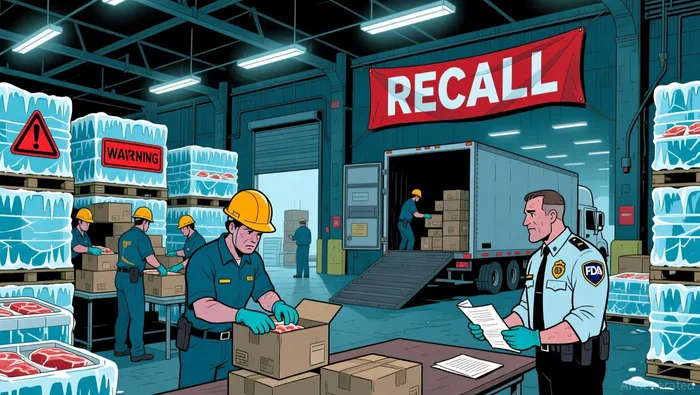 financial analysis show these effects.
Broader Market Implications
What do these recalls mean for the broader food industry? First, they underscore the importance of transparency and traceability in manufacturing and distribution. Second, they reveal that even well-known brands can struggle with product safety. Costco, for example, faced several high-profile recalls in 2025, including its Kirkland Signature Ahi Tuna Wasabi Poke for potential listeria contamination and its Kirkland Signature Prosecco Valdobbiadene for exploding bottles due to a manufacturing defect. According to recent reports detail these incidents.
For investors, these events raise questions about how companies are managing risk. Are they investing in robust quality control systems? Are they prepared for the financial hit from product recalls? These are all factors that could influence stock performance and investor confidence.
Looking Ahead
Looking forward, companies will need to address these challenges head-on. The food industry is under increasing pressure to ensure product safety and transparency, and the cost of failing to do so can be steep. From a regulatory standpoint, the FDA has shown it is willing to send strong messages to retailers and manufacturers that don't comply with safety standards.
For investors, the key takeaway is that supply chain resilience and quality assurance are not just operational concerns — they are core to long-term business sustainability. Brands that prioritize these areas are more likely to avoid costly recalls and protect their reputations. Meanwhile, consumers are increasingly aware and vocal about food safety, making it even more critical for companies to act swiftly and transparently in the face of such incidents.
In short, the 2025 frozen food recall trend is more than just a series of isolated product pulls. It's a wake-up call for the industry — and a reminder that food safety is not just a regulatory issue, but a business imperative.

Delivering real-time insights and analysis on emerging financial trends and market movements.
Latest Articles
Stay ahead of the market.
Get curated U.S. market news, insights and key dates delivered to your inbox.
AInvest
PRO
AInvest
PRO



Comments
No comments yet