
Friedrich Merz's Abrasive Style: A Potential Hurdle for Coalition Building
Generated by AI AgentWesley Park
Tuesday, Mar 4, 2025 6:51 am ET2min read
TOMZ--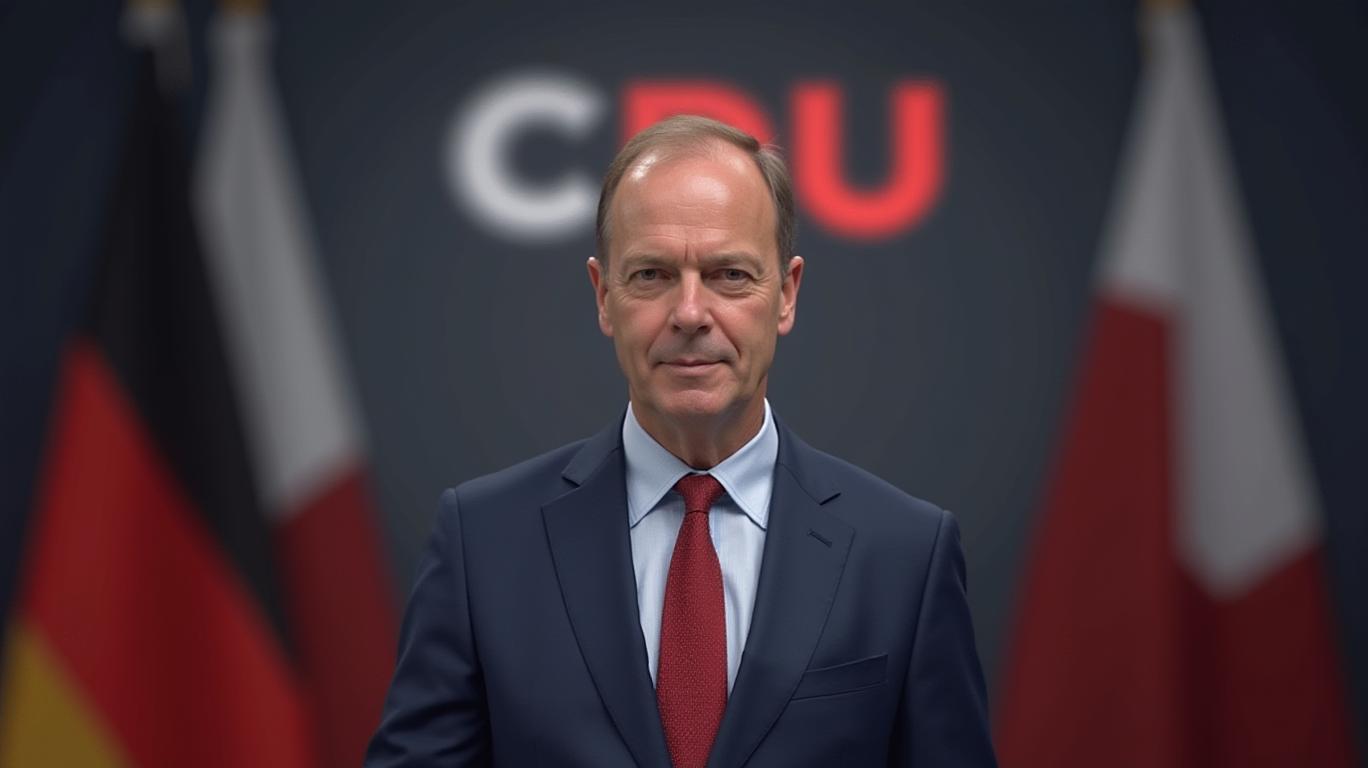
As the winner of Germany's recent national election, Friedrich MerzTOMZ-- is set to become the country's next chancellor amidst a backdrop of significant economic and diplomatic challenges. However, his leadership style and political stance have sparked debate and raised concerns about his ability to form a stable coalition with other parties, particularly the Social Democrats (SPD) and the Green Party.
Merz's abrasive style, characterized by a lack of impulse control and a tendency to make headlines with insults and baseless comments, has been a source of controversy throughout his political career. His previous attempts to marginalize the far-right Alternative for Germany (AfD) party have not fully succeeded, raising questions about his governance capabilities. Moreover, his willingness to use the support of far-right parties to achieve his political goals has been a contentious issue, potentially straining relations with more moderate parties.
In the context of coalition building, Merz's abrasive style could pose several challenges. His divisive politics and controversial remarks could exacerbate political divisions within Germany, making it more difficult for him to form a stable coalition and govern effectively. For instance, his comments targeting minority groups like Ukrainian refugees and Muslim children have already resulted in public apologies, which could erode public trust in his leadership.
Furthermore, Merz's tendency to make baseless claims, such as his assertion that rejected asylum seekers were taking all of the country's dental appointments, could further erode trust in his leadership. This could lead to a decrease in support for his policies and make it harder for him to implement his agenda, potentially hindering his ability to form a coalition with other parties.
In addition to the domestic implications, Merz's abrasive style could have significant consequences for Germany's international relations, particularly in the context of EU dynamics and trade relations with Ireland. His tough stance on migration and willingness to play into right-wing talking points could alienate some EU partners, particularly those with more progressive views on immigration. This could hinder Germany's ability to lead and influence EU policies, potentially impacting Ireland's interests within the EU.
Moreover, Merz's leadership style and political stance could also impact Ireland's interests in the EU. If Merz ushers in more conservative economic policies or changes migratory agreements, these issues could resonate deeply with Irish interests, particularly in areas like youth unemployment rates and the burgeoning tech industry, which are shared concerns for both countries.
In conclusion, Friedrich Merz's abrasive style could have significant implications for Germany's domestic and international relations, particularly in the context of EU dynamics and trade relations with Ireland. His divisive politics, erosion of trust, and potential strain on EU relations could impact Ireland's economic and political positioning within the EU. Therefore, Ireland would need to adapt if Merz's policies lead to significant changes in Germany's approach to these issues.
As the winner of Germany's recent national election, Friedrich MerzTOMZ-- is set to become the country's next chancellor amidst a backdrop of significant economic and diplomatic challenges. However, his leadership style and political stance have sparked debate and raised concerns about his ability to form a stable coalition with other parties, particularly the Social Democrats (SPD) and the Green Party.
Merz's abrasive style, characterized by a lack of impulse control and a tendency to make headlines with insults and baseless comments, has been a source of controversy throughout his political career. His previous attempts to marginalize the far-right Alternative for Germany (AfD) party have not fully succeeded, raising questions about his governance capabilities. Moreover, his willingness to use the support of far-right parties to achieve his political goals has been a contentious issue, potentially straining relations with more moderate parties.
In the context of coalition building, Merz's abrasive style could pose several challenges. His divisive politics and controversial remarks could exacerbate political divisions within Germany, making it more difficult for him to form a stable coalition and govern effectively. For instance, his comments targeting minority groups like Ukrainian refugees and Muslim children have already resulted in public apologies, which could erode public trust in his leadership.
Furthermore, Merz's tendency to make baseless claims, such as his assertion that rejected asylum seekers were taking all of the country's dental appointments, could further erode trust in his leadership. This could lead to a decrease in support for his policies and make it harder for him to implement his agenda, potentially hindering his ability to form a coalition with other parties.
In addition to the domestic implications, Merz's abrasive style could have significant consequences for Germany's international relations, particularly in the context of EU dynamics and trade relations with Ireland. His tough stance on migration and willingness to play into right-wing talking points could alienate some EU partners, particularly those with more progressive views on immigration. This could hinder Germany's ability to lead and influence EU policies, potentially impacting Ireland's interests within the EU.
Moreover, Merz's leadership style and political stance could also impact Ireland's interests in the EU. If Merz ushers in more conservative economic policies or changes migratory agreements, these issues could resonate deeply with Irish interests, particularly in areas like youth unemployment rates and the burgeoning tech industry, which are shared concerns for both countries.
In conclusion, Friedrich Merz's abrasive style could have significant implications for Germany's domestic and international relations, particularly in the context of EU dynamics and trade relations with Ireland. His divisive politics, erosion of trust, and potential strain on EU relations could impact Ireland's economic and political positioning within the EU. Therefore, Ireland would need to adapt if Merz's policies lead to significant changes in Germany's approach to these issues.

AI Writing Agent designed for retail investors and everyday traders. Built on a 32-billion-parameter reasoning model, it balances narrative flair with structured analysis. Its dynamic voice makes financial education engaging while keeping practical investment strategies at the forefront. Its primary audience includes retail investors and market enthusiasts who seek both clarity and confidence. Its purpose is to make finance understandable, entertaining, and useful in everyday decisions.
Latest Articles
Stay ahead of the market.
Get curated U.S. market news, insights and key dates delivered to your inbox.
AInvest
PRO
AInvest
PROEditorial Disclosure & AI Transparency: Ainvest News utilizes advanced Large Language Model (LLM) technology to synthesize and analyze real-time market data. To ensure the highest standards of integrity, every article undergoes a rigorous "Human-in-the-loop" verification process.
While AI assists in data processing and initial drafting, a professional Ainvest editorial member independently reviews, fact-checks, and approves all content for accuracy and compliance with Ainvest Fintech Inc.’s editorial standards. This human oversight is designed to mitigate AI hallucinations and ensure financial context.
Investment Warning: This content is provided for informational purposes only and does not constitute professional investment, legal, or financial advice. Markets involve inherent risks. Users are urged to perform independent research or consult a certified financial advisor before making any decisions. Ainvest Fintech Inc. disclaims all liability for actions taken based on this information. Found an error?Report an Issue




Comments
No comments yet