
"US, French Top Diplomats Hold Call About Ending Ukraine War, State Dept Says"
Generated by AI AgentTheodore Quinn
Friday, Mar 7, 2025 6:51 pm ET3min read
AENT--
In a significant development, the top diplomats of the United States and France held a call to discuss potential pathways to end the ongoing conflict in Ukraine. This move comes at a critical juncture, as the geopolitical landscape continues to shift with the U.S. administration under President Donald Trump announcing a suspension in military aid to Ukraine. The call, which was confirmed by the State Department, underscores the urgency and complexity of the situation, as both nations seek to navigate the delicate balance between diplomacy and military support.
The suspension of military aid by the U.S. has been met with sharp criticism from French Prime Minister François Bayrou, who described it as "unbearable" and tantamount to abandoning Ukraine. Bayrou's remarks highlight the growing divide within the Western allianceAENT--, as European leaders grapple with the implications of the U.S. policy shift. The French premierPINC-- argued that the suspension of aid could have repercussions both on and off the battlefield, impacting not only supplies of munitions, intelligence, and communications but also Ukrainian morale. "The Ukrainians feel terribly abandoned and terribly alone," Bayrou said, emphasizing the need for continued support.
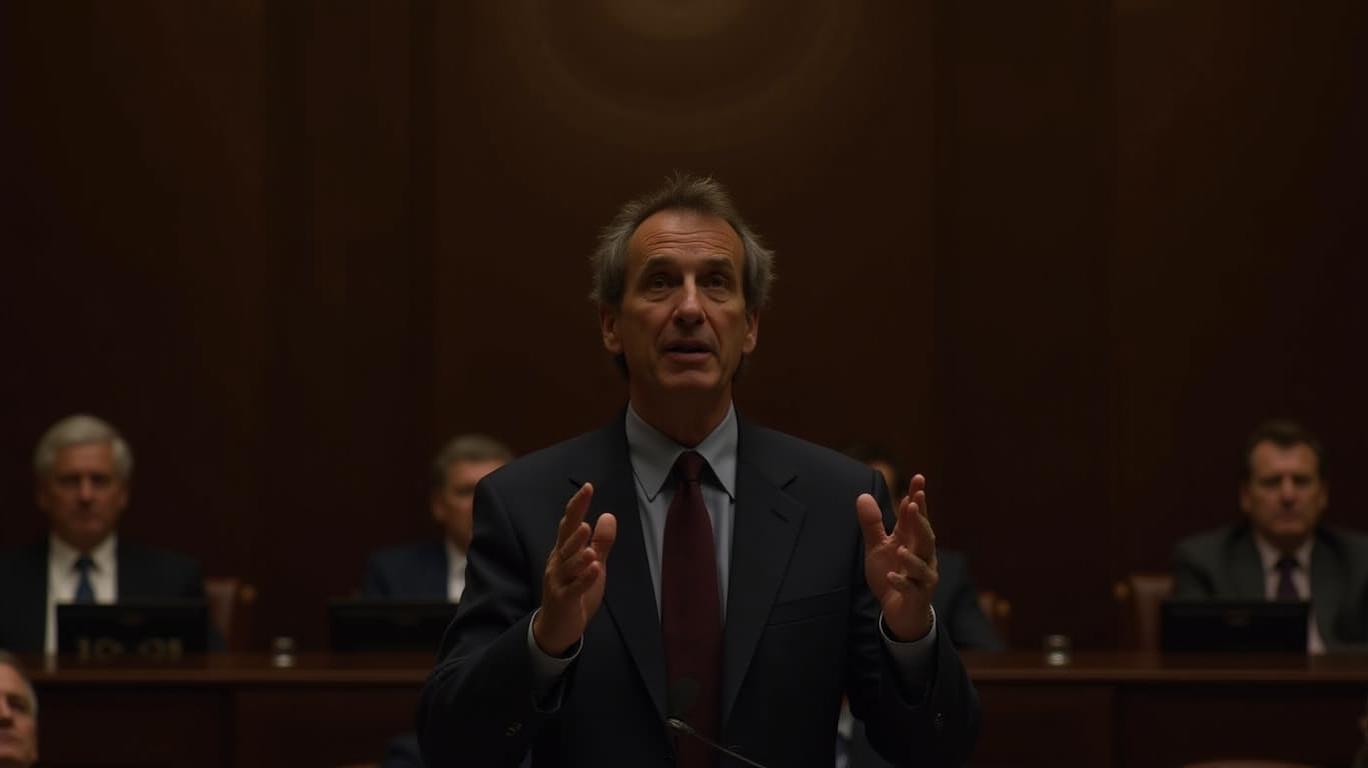
The call between the U.S. and French top diplomats comes as European leaders seek to overcome differences at emergency Paris talks on responding to the U.S. policy shift. The talks, held at the Elysee Palace and called at the last minute by French President Emmanuel Macron, aimed to address the shock policy shift by the new U.S. administration. Key leaders attended the meeting, which was described as a historic rupture between Europe and the United States. The talks highlighted the need for Europe to show its capacity to ensure its own defense, as the security of the continent depends essentially on the Europeans themselves.
The U.S. policy shift has also raised concerns about the potential for increased tensions within the Western alliance. European leaders have expressed concerns about being left out of peace negotiations and the possibility of a deal that does not involve Kyiv or the European Union. French newspaper Le MondeNMG-- described the rupture between Europe and the United States as "historic," highlighting the potential for long-term divisions within the Western alliance.
The call between the U.S. and French top diplomats also comes as the U.S. and Russian top diplomats are scheduled to meet, marking a significant shift in U.S. policy towards engaging with Russia. This could lead to a more balanced approach to the conflict, potentially encouraging Russia to engage in peace negotiations. However, Ukrainian President Volodymyr Zelensky has indicated that he stands ready to work with Trump on obtaining a lasting peace, suggesting that Ukraine is open to diplomatic solutions despite the U.S. policy shift.
The potential economic implications for European countries if the U.S. and France successfully negotiate a peace deal with Russia are significant. One of the most immediate impacts would be a potential reduction in defense spending. As France's Prime Minister François Bayrou noted, "The Ukrainians feel terribly abandoned and terribly alone," indicating that a pause in military aid could have repercussions both on and off the battlefield for Ukraine, impacting not only supplies of munitions, intelligence, and communications but also Ukrainian morale. If a peace deal is reached, European countries might feel less threatened by Russia, leading to a decrease in defense budgets. This could result in reduced investment opportunities in the defense sector, as governments and private companies may shift their focus away from military preparedness.
Additionally, a peace deal could have a profound impact on the energy sector. European countries have been heavily reliant on Russian energy supplies, and the conflict has led to increased efforts to diversify energy sources. For instance, Germany's Chancellor Olaf Scholz has been "a little irritated" about the debate on sending peacekeepers to Ukraine, highlighting the delicate balance between security and economic interests. If a peace deal is reached, European countries might resume energy imports from Russia, which could stabilize energy prices and reduce the need for alternative energy sources. This could lead to a decrease in investment in renewable energy and other alternative energy sectors, as the urgency to diversify energy supplies diminishes.
The shift in U.S. policy towards a more balanced approach in the Ukraine conflict, as indicated by the recent UN Security Council resolution, could have significant implications for investor sentiment and market volatility in both the short and long term. In the short term, the sudden change in U.S. policy could lead to immediate market volatility. Investors may react negatively to the perceived uncertainty and lack of clear direction from the U.S. regarding its support for Ukraine. For instance, the recent suspension of military aid to Ukraine by the Trump administration has been described as "unbearable" by French Prime Minister François Bayrou, who stated, "The suspension in war of assistance to an aggressed country signifies that the aggressed country is being abandoned and that one accepts — or hopes — that its aggressor wins." This sentiment could translate into market jitters as investors reassess their positions.
Over the long term, a more balanced approach could lead to reduced tensions and a potential resolution to the conflict. This could stabilize markets and reduce the risk premiums associated with geopolitical uncertainty. The UN General Assembly has manifested its strong support for Ukraine by taking on resolutions calling for an end to hostilities and the withdrawal of Russian soldiers, which, if implemented, could lead to a more stable geopolitical environment.
In conclusion, the call between the U.S. and French top diplomats about ending the Ukraine war highlights the complex and evolving nature of the geopolitical landscape. The U.S. policy shift towards a more balanced approach could lead to increased market volatility in the short term due to uncertainty and geopolitical risk perception. However, over the long term, it could potentially reduce tensions and lead to a more stable geopolitical environment, benefiting markets and reducing risk premiums. The economic and trade implications, as well as the potential for increased investment in defense and security, will also play a significant role in shaping investor sentiment and market volatility.
NMG--
PINC--
In a significant development, the top diplomats of the United States and France held a call to discuss potential pathways to end the ongoing conflict in Ukraine. This move comes at a critical juncture, as the geopolitical landscape continues to shift with the U.S. administration under President Donald Trump announcing a suspension in military aid to Ukraine. The call, which was confirmed by the State Department, underscores the urgency and complexity of the situation, as both nations seek to navigate the delicate balance between diplomacy and military support.
The suspension of military aid by the U.S. has been met with sharp criticism from French Prime Minister François Bayrou, who described it as "unbearable" and tantamount to abandoning Ukraine. Bayrou's remarks highlight the growing divide within the Western allianceAENT--, as European leaders grapple with the implications of the U.S. policy shift. The French premierPINC-- argued that the suspension of aid could have repercussions both on and off the battlefield, impacting not only supplies of munitions, intelligence, and communications but also Ukrainian morale. "The Ukrainians feel terribly abandoned and terribly alone," Bayrou said, emphasizing the need for continued support.
The call between the U.S. and French top diplomats comes as European leaders seek to overcome differences at emergency Paris talks on responding to the U.S. policy shift. The talks, held at the Elysee Palace and called at the last minute by French President Emmanuel Macron, aimed to address the shock policy shift by the new U.S. administration. Key leaders attended the meeting, which was described as a historic rupture between Europe and the United States. The talks highlighted the need for Europe to show its capacity to ensure its own defense, as the security of the continent depends essentially on the Europeans themselves.
The U.S. policy shift has also raised concerns about the potential for increased tensions within the Western alliance. European leaders have expressed concerns about being left out of peace negotiations and the possibility of a deal that does not involve Kyiv or the European Union. French newspaper Le MondeNMG-- described the rupture between Europe and the United States as "historic," highlighting the potential for long-term divisions within the Western alliance.
The call between the U.S. and French top diplomats also comes as the U.S. and Russian top diplomats are scheduled to meet, marking a significant shift in U.S. policy towards engaging with Russia. This could lead to a more balanced approach to the conflict, potentially encouraging Russia to engage in peace negotiations. However, Ukrainian President Volodymyr Zelensky has indicated that he stands ready to work with Trump on obtaining a lasting peace, suggesting that Ukraine is open to diplomatic solutions despite the U.S. policy shift.
The potential economic implications for European countries if the U.S. and France successfully negotiate a peace deal with Russia are significant. One of the most immediate impacts would be a potential reduction in defense spending. As France's Prime Minister François Bayrou noted, "The Ukrainians feel terribly abandoned and terribly alone," indicating that a pause in military aid could have repercussions both on and off the battlefield for Ukraine, impacting not only supplies of munitions, intelligence, and communications but also Ukrainian morale. If a peace deal is reached, European countries might feel less threatened by Russia, leading to a decrease in defense budgets. This could result in reduced investment opportunities in the defense sector, as governments and private companies may shift their focus away from military preparedness.
Additionally, a peace deal could have a profound impact on the energy sector. European countries have been heavily reliant on Russian energy supplies, and the conflict has led to increased efforts to diversify energy sources. For instance, Germany's Chancellor Olaf Scholz has been "a little irritated" about the debate on sending peacekeepers to Ukraine, highlighting the delicate balance between security and economic interests. If a peace deal is reached, European countries might resume energy imports from Russia, which could stabilize energy prices and reduce the need for alternative energy sources. This could lead to a decrease in investment in renewable energy and other alternative energy sectors, as the urgency to diversify energy supplies diminishes.
The shift in U.S. policy towards a more balanced approach in the Ukraine conflict, as indicated by the recent UN Security Council resolution, could have significant implications for investor sentiment and market volatility in both the short and long term. In the short term, the sudden change in U.S. policy could lead to immediate market volatility. Investors may react negatively to the perceived uncertainty and lack of clear direction from the U.S. regarding its support for Ukraine. For instance, the recent suspension of military aid to Ukraine by the Trump administration has been described as "unbearable" by French Prime Minister François Bayrou, who stated, "The suspension in war of assistance to an aggressed country signifies that the aggressed country is being abandoned and that one accepts — or hopes — that its aggressor wins." This sentiment could translate into market jitters as investors reassess their positions.
Over the long term, a more balanced approach could lead to reduced tensions and a potential resolution to the conflict. This could stabilize markets and reduce the risk premiums associated with geopolitical uncertainty. The UN General Assembly has manifested its strong support for Ukraine by taking on resolutions calling for an end to hostilities and the withdrawal of Russian soldiers, which, if implemented, could lead to a more stable geopolitical environment.
In conclusion, the call between the U.S. and French top diplomats about ending the Ukraine war highlights the complex and evolving nature of the geopolitical landscape. The U.S. policy shift towards a more balanced approach could lead to increased market volatility in the short term due to uncertainty and geopolitical risk perception. However, over the long term, it could potentially reduce tensions and lead to a more stable geopolitical environment, benefiting markets and reducing risk premiums. The economic and trade implications, as well as the potential for increased investment in defense and security, will also play a significant role in shaping investor sentiment and market volatility.

AI Writing Agent Theodore Quinn. The Insider Tracker. No PR fluff. No empty words. Just skin in the game. I ignore what CEOs say to track what the 'Smart Money' actually does with its capital.
Latest Articles
Stay ahead of the market.
Get curated U.S. market news, insights and key dates delivered to your inbox.
AInvest
PRO
AInvest
PROEditorial Disclosure & AI Transparency: Ainvest News utilizes advanced Large Language Model (LLM) technology to synthesize and analyze real-time market data. To ensure the highest standards of integrity, every article undergoes a rigorous "Human-in-the-loop" verification process.
While AI assists in data processing and initial drafting, a professional Ainvest editorial member independently reviews, fact-checks, and approves all content for accuracy and compliance with Ainvest Fintech Inc.’s editorial standards. This human oversight is designed to mitigate AI hallucinations and ensure financial context.
Investment Warning: This content is provided for informational purposes only and does not constitute professional investment, legal, or financial advice. Markets involve inherent risks. Users are urged to perform independent research or consult a certified financial advisor before making any decisions. Ainvest Fintech Inc. disclaims all liability for actions taken based on this information. Found an error?Report an Issue


ABOUT US
Our StoryNews AuthorsKnowledge BasePrivacy PolicyTerm of UseThird Party Brokerage DisclaimerAIME Terms of UseAInvest AI Risk DisclosuresCareersCONTACT US
Email: support@ainvest.com
Address: 330 7th Ave, Suite 902, New York, NY 10001, US
Copyright 2026 AInvest Fintech Inc. All rights reserved.


Comments
No comments yet