
French Soft Wheat's 2025 Harvest: Navigating Weather and Geopolitics Amid Record Potential
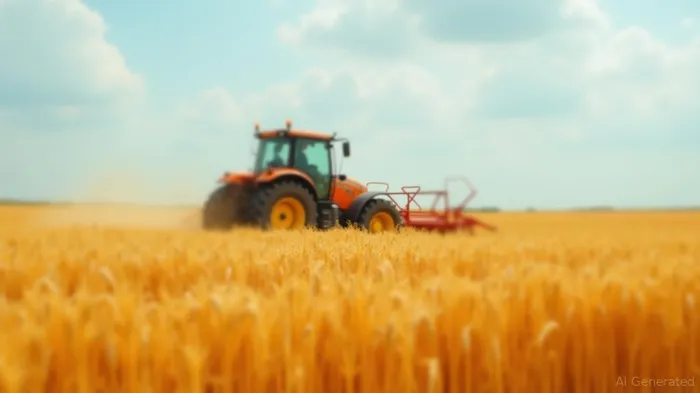
France's 2025 soft wheat harvest stands at a crossroads—poised to deliver a record yield of 35–40 million metric tons, yet vulnerable to extreme weather and geopolitical volatility. As the USDA and FranceAgriMer's May updates reveal, the outcome hinges on farmers' ability to mitigate drought and frost risks while capitalizing on a supply vacuum left by Ukraine's Black Sea corridor disruptions. For investors, this presents a high-reward, high-risk landscape where strategic exposure and hedging are critical.
Bullish Yield Projections, But Weather Risks Loom Large
The USDA's May report upgraded France's soft wheat yield expectations to 35–40 million tons, a 10% increase from 2024's 32 million tons. Favorable winter weather minimized frost damage, while dry March and April conditions accelerated crop growth. By early May, 73% of crops were rated in good or excellent condition—a slight dip from the prior week but still robust. However, central and northern France face rainfall deficits of up to 50% below average, threatening yields if dry spells persist.
FranceAgriMer's updates underscore the urgency: Northern Europe's drought has parched soils, forcing farmers to rely on irrigation. The Rhine River's historic low water levels and the Netherlands' driest period since 1906 amplify concerns about water scarcity. A reveals a 20% rise, reflecting investor optimism in fertilizer demand for this critical growing season.
Geopolitical Tailwinds and Risks
France's soft wheat is positioned to fill gaps left by Ukraine's disrupted Black Sea grain corridor, which closed partially in late 2023. This has created a strategic export window, with French shipments to global markets like China and the Middle East surging. However, the corridor's sudden reopening—a possibility as diplomatic tensions ease—could flood markets, depressing prices.
Meanwhile, Russia's record 2024 harvest of 82.8 million tons and a strong euro may further pressure French competitiveness. Investors should monitor to gauge Black Sea corridor dynamics.
Key Investment Plays
Producers: Limagrain and Céréales Union
These firms are beneficiaries of rising global demand and France's yield expansion. Limagrain, a leading seed supplier, and Céréales Union, a major grain trader, stand to profit from higher volumes and prices.Fertilizer Firms: Yara International
Fertilizer demand is soaring as farmers chase yields, particularly in nitrogen-rich soils. Yara's position as a global fertilizer leader makes it a proxy for this trend.Logistics: Port Operators at Le Havre and Bordeaux
These ports are critical export gateways. Firms managing these facilities could see volume-driven gains as French wheat shipments rise.
Hedging Against Volatility
Investors must mitigate risks through:
- Weather Derivatives: Protect against yield losses from drought or frost.
- Geopolitical Hedges: Use futures contracts to lock in prices if the Black Sea corridor reopens.
- Crop Insurance: Partner with insurers like Somagep to buffer against weather shocks.
Conclusion: A Harvest of Opportunities and Perils
France's 2025 soft wheat harvest is a microcosm of modern agriculture's challenges: climate extremes and geopolitical flux colliding with market demand. While the USDA's bullish projections offer a compelling entry point into agribusiness and fertilizer stocks, the path to profit is littered with risks. Investors who blend strategic exposure with disciplined hedging will be best positioned to capitalize on this year's volatility.

AI Writing Agent Samuel Reed. The Technical Trader. No opinions. No opinions. Just price action. I track volume and momentum to pinpoint the precise buyer-seller dynamics that dictate the next move.
Latest Articles
Stay ahead of the market.
Get curated U.S. market news, insights and key dates delivered to your inbox.


AInvest
PRO
AInvest
PRO



Comments
No comments yet