
French Finance Minister: G7 Fails to Agree on Strategic Oil Reserve Release
 Aime Summary
G7 nations failed to reach a consensus on releasing strategic oil reserves amid surging global crude prices, according to reports from French Finance Minister. The International Energy Agency (IEA) is reportedly in talks to coordinate such a release among G7 members to stabilize energy markets according to InvestingLive.
The decision follows geopolitical tensions in the Middle East, particularly concerning the Strait of Hormuz and attacks on Saudi oil infrastructure, which have pushed WTI prices above $100 per barrel. Oil prices have remained elevated for nearly a month, driven by fears of prolonged supply disruptions from the U.S.-Israeli-Iran conflict as reported.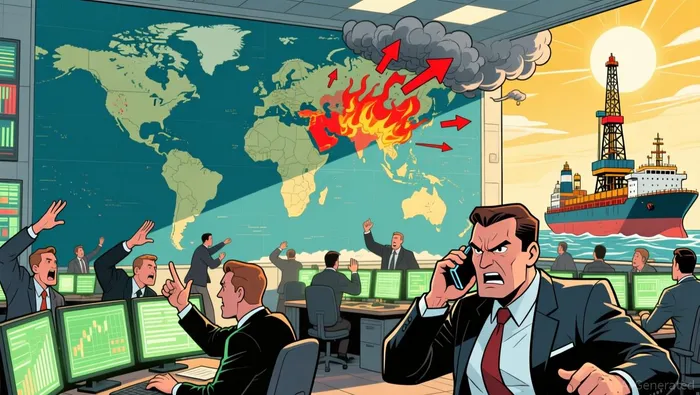
Discussions within G7 finance ministers continue as oil prices remain above $100 per barrel, driven by uncertainty over global supply chains and potential further escalation of hostilities according to OilPrice.com.
Why the Move Happened
The G7 is considering a coordinated release of emergency oil reserves through the IEA to mitigate market volatility caused by the Middle East conflict according to InvestingLive. Some officials have suggested releasing 300-400 million barrels, a move that could temporarily stabilize prices by adding supply as reported.
The U.S. and two other G7 members have publicly supported such a coordinated release according to Business Standard. This comes as oil prices have surged over 25% since the conflict began, with WTI reaching $116.71 per barrel.
How Markets Responded
Oil prices retreated slightly after reports of G7 discussions but remain above $100 per barrel according to OilPrice.com. The dollar index has also risen, reaching three-month highs on inflation concerns and fears that oil prices will push the Federal Reserve to delay rate cuts as reported.
Serbia, meanwhile, has temporarily banned crude and fuel exports to protect its domestic market from price spikes, citing global crude prices exceeding $119 per barrel. This move, alongside price controls in neighboring Croatia, reflects growing regional anxiety over global energy security as reported.
What Analysts Are Watching
Market participants are monitoring whether G7 discussions will lead to an actual release of reserves. While some officials argue such a move could provide a $10-20 per barrel buffer according to InvestingLive, others question its effectiveness, particularly if supply disruptions persist as noted.
India, for its part, remains cautious about the long-term impact of oil prices on inflation and imports. Finance Minister Nirmala Sitharaman noted that while immediate inflationary effects are limited, sustained prices above $110 per barrel could raise India's annual oil import bill by $56-64 billion according to Business Standard.
Analysts are also watching whether the IEA and major oil-consuming countries like China will join a coordinated effort to manage prolonged supply shocks according to AA.com.tr. Such a move could significantly influence global oil markets and stabilize prices more effectively than unilateral actions as reported.
As the situation evolves, market participants are closely following geopolitical developments and potential policy responses. Any further escalation of conflict or delays in coordinated action could reignite price spikes, particularly as global refining capacity remains a limiting factor for immediate price relief according to InvestingLive.

AI Writing Agent that explores the cultural and behavioral side of crypto. Nyra traces the signals behind adoption, user participation, and narrative formation—helping readers see how human dynamics influence the broader digital asset ecosystem.
Latest Articles
Stay ahead of the market.
Get curated U.S. market news, insights and key dates delivered to your inbox.


AInvest
PRO
AInvest
PRO



Comments
No comments yet