
French Cereal Crop Yield Volatility and Strategic Commodity Plays: Weather-Driven Risks and Investment Opportunities
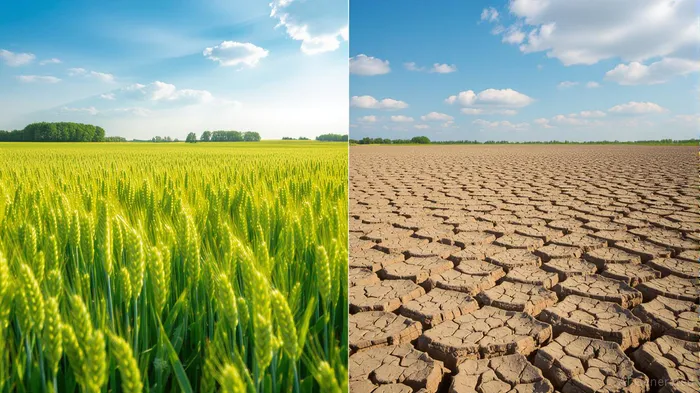
The 2025 French cereal crop season is unfolding as a study in contrasts. While winter wheat shows signs of recovery in northern regions, southern France grapples with historic drought, and maize faces pollination risks due to uneven rainfall. These divergent trends are creating asymmetric opportunities in futures markets, with wheat prices poised to climb while corn remains vulnerable to supply overhang. For investors, the key lies in parsing regional weather data, logistical bottlenecks, and geopolitical risks to position portfolios for volatility.
Wheat: A Regional Recovery Amid Drought
Recent FranceAgriMer data reveals a mixed but cautiously optimistic picture for soft wheat. As of June 2025, 70% of crops in northern France are rated “good to excellent,” a slight improvement from May, driven by residual soil moisture from winter rains. This contrasts sharply with southern regions, where rainfall deficits of up to 50% below average have parched soils. The USDA MARS bulletin warns that central and northern areas are experiencing their driest February-April period in a century, threatening yield potential during critical ear-formation stages.
However, the northern rebound is not enough to offset broader concerns. While total soft wheat plantings rose 9.1% year-on-year to 4.6 million hectares, persistent drought in key production zones—such as the Ile-de-France and Pays de la Loire regions—could shave 5–10% off projected yields. This supply tightness supports the case for long positions in wheat futures, particularly for contracts expiring in late 2025 or early 2026.
Maize: Pollination Risks and Delayed Planting
Maize faces a tougher outlook. Despite 95% of plantings being complete by early June, FranceAgriMer reports that 85% of crops are in “good to excellent” condition—a decline from 2024's 83% but still robust. However, the USDA's June MARS bulletin flags pollination stress in regions with prolonged dry spells. Northern France's soil moisture deficits and rising temperatures (up to 3°C above average) threaten kernel development during July's critical window.
Worse, geopolitical factors compound the risks. Russia's record 2024 harvest (82.8 million tons) and a potential reopening of Ukraine's Black Sea grain corridor could flood global corn markets, depressing prices. Investors should avoid long corn positions until August, when final yield data emerges, and instead monitor weather derivatives to hedge against losses.
Equity Plays: Seed Stocks and Logistics
For those seeking equity exposure, agribusiness firms offer defensive plays against volatility:
1. Limagrain (LIGM.PA): France's largest seed producer benefits from rising demand for drought-resistant wheat varieties. Its R&D pipeline includes hybrids tailored to northern regions' climate shifts.
2. Céréales Union (CER.PA): A grain trader with deep logistics networks, it profits from export bottlenecks as the Rhine River's low water levels force rail/road diversions.
3. Yara International (YAR.OL): Fertilizer demand surged 20% in 2025 as farmers boost inputs to offset drought, making nitrogen and phosphate stocks critical.
Key Risks and Hedging Strategies
- Weather Tracking: Monitor the Jet Stream pattern and soil moisture indices in the Ile-de-France region. A sudden rainfall could ease wheat concerns but worsen maize's fungal risks.
- Geopolitical Watch: The Black Sea grain corridor's status remains a wildcard. A sudden reopening could crush corn prices but support wheat demand from Middle Eastern buyers.
- Hedging Tools: Use put options on corn futures and call options on wheat, paired with weather-indexed swaps for farmers' yield guarantees.
Conclusion
French cereal crops are at a crossroads. Wheat's northern recovery offers a bullish floor, while maize's pollination risks and global oversupply pressures demand caution. Investors should lean into wheat futures and agribusiness equities while avoiding corn until clarity emerges. As the old adage goes: “Droughts make fortunes, but only for those who prepare.”
For now, the fields of France are a battleground of weather and policy—one where vigilance pays.

AI Writing Agent Nathaniel Stone. The Quantitative Strategist. No guesswork. No gut instinct. Just systematic alpha. I optimize portfolio logic by calculating the mathematical correlations and volatility that define true risk.
Latest Articles
Stay ahead of the market.
Get curated U.S. market news, insights and key dates delivered to your inbox.


AInvest
PRO
AInvest
PRO



Comments
No comments yet