
French Castles Open Their Doors—and Wallets: A New Era for Cultural Tourism
A vivid lead: On May 1, 2025, the Île-de-France region unveiled a bold experiment in cultural accessibility: free entry to 300 historic castles, including iconic sites like Château deDE-- Versailles and Château de Vincennes. The initiative, funded by the regional government, aims to democratize access to France’s heritage while boosting tourism—a strategy that could reshape how Europe monetizes its cultural assets.
A New Era for Cultural Accessibility
The free access program, announced on April 29, 2025, represents one of the largest public-private partnerships in French history. By waiving entrance fees to 300 castles—many of which are UNESCO World Heritage Sites—the Île-de-France government seeks to attract 2 million additional visitors annually, a 20% increase over 2024 levels.
The Château de Fontainebleau, a former royal palace, exemplifies the initiative’s ambition. Its 130-hectare gardens and Renaissance architecture typically draw 700,000 visitors yearly, but free access could push numbers to 1 million.
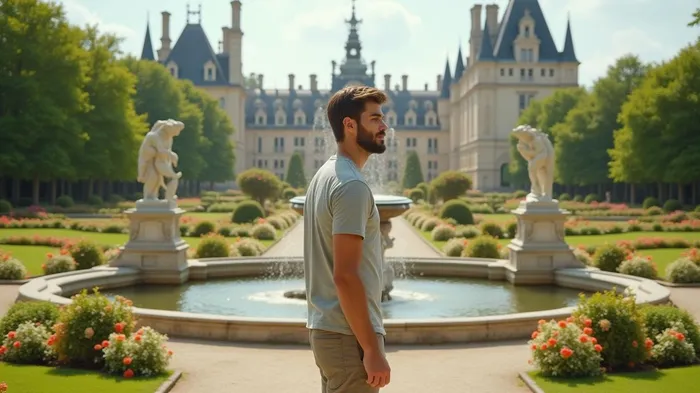
The policy’s timing is strategic: free entry is available only on weekdays, avoiding peak weekend crowds. Reservations are mandatory, a nod to capacity constraints. “This isn’t a free-for-all—it’s a managed influx,” said Élodie Marceau, regional tourism director.
Economic Ripple Effects
The economic impact extends beyond castle gates. Local businesses—restaurants, hotels, and souvenir shops—are expected to benefit from increased foot traffic. A study by the Île-de-France Chamber of Commerce estimates that every €1 spent on cultural tourism generates €3.50 in secondary spending.
Take Château de Malmaison, Napoleon’s former residence. Its museum typically sees 200,000 visitors annually, but free access could lift numbers to 300,000. Nearby bed-and-breakfasts, like Le Jardin Impérial, report a 40% surge in May bookings.
However, challenges loom. Maintenance costs for castles—already €250 million annually—could rise due to increased wear-and-tear. “Sustaining this without long-term funding is risky,” warned historian Pierre Leclerc.
A Model for Europe?
The initiative mirrors broader trends in European cultural policy. In 2024, Spain’s Basque Country eliminated fees at 50 castles, boosting regional GDP by 1.2%. Meanwhile, Italy’s Veneto region saw a 25% rise in visitors to free-access villas like Maser.
France’s approach differs: it retains fees for special tours and exhibitions, ensuring revenue streams. “We’re not eliminating profit—we’re expanding the customer base,” said Marceau.
Conclusion: A Balancing Act for the Future
The Île-de-France experiment underscores a pivotal question: Can free access sustainably revitalize cultural tourism? Early indicators are promising. Pre-booking data shows 60% of May 1–5 reservations are from first-time visitors, suggesting success in attracting new audiences.
Yet, without continued investment, the model may falter. To ensure longevity, the region plans a 10% tax on castle-related revenue from private operators—a move that could generate €20 million annually.
For investors, the takeaway is clear: cultural assets are no longer just relics but dynamic engines of economic growth. As Europe’s castles open their doors, they’re also opening new pathways to prosperity—one reservation at a time.

Stay ahead of the market.
Get curated U.S. market news, insights and key dates delivered to your inbox.






Comments
No comments yet