
Freight Markets Improve Slower Than Carriers Would Like
Generated by AI AgentCyrus Cole
Wednesday, Jan 29, 2025 1:38 pm ET2min read
GBBK--
The freight market has been grappling with a slower-than-expected recovery, much to the dismay of carriers who have been eagerly awaiting a return to pre-pandemic levels. Several factors contribute to this sluggish improvement, including oversupply of capacity, consumer spending and debt levels, inventory management strategies, and international trade dynamics. This article explores these factors and their impact on the freight market, as well as the strategies carriers can employ to mitigate risks and capitalize on opportunities.
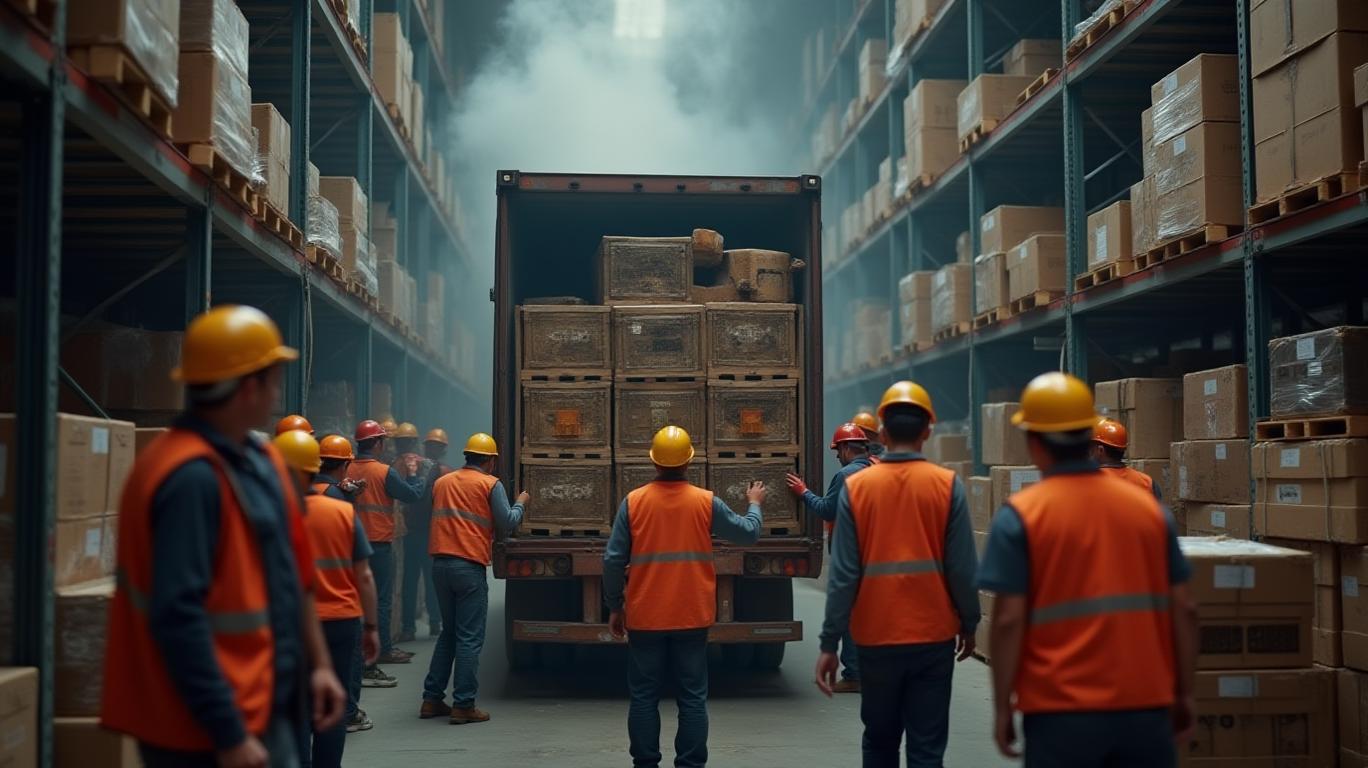
1. Oversupply of Capacity: The entry of numerous new carriers during the pandemic, attracted by high freight rates, has led to an oversupply of capacity. This has resulted in a significant decrease in rates over the past 18 months, making it difficult for carriers to maintain profitability (Brenner, 2023). To address this challenge, carriers should proactively manage their capacity to avoid oversupply and maintain a balanced market. This may involve adjusting their fleet size, routes, or schedules to better match demand (Brenner, 2023).
2. Consumer Spending and Debt Levels: Consumers are facing increasing financial pressure due to rising interest rates on larger purchases. This may lead consumers to opt for more affordable product options, potentially reducing freight demand (Brenner, 2023). Carriers can adapt to this trend by diversifying their services to cater to different market segments and reduce their reliance on a single market or route (Gkiotsalitis and Cats, 2020).
3. Inventory Management Strategies: Businesses are shifting their operations from overseas to North America, particularly Mexico, to reduce reliance on long-distance transportation. This transition period could lead to a surge in domestic freight demand as companies adjust their inventory and supply chains (Brenner, 2023). Carriers can work with shippers to optimize inventory management strategies, such as just-in-time inventory, to reduce the impact of demand fluctuations on freight volumes (Brenner, 2023).
4. International Trade: Global trade dynamics, including tariffs and geopolitical factors, affect the flow of goods and the demand for freight transportation. Ongoing geopolitical tensions, such as the Russia-Ukraine conflict, can disrupt supply chains and impact freight demand (Umar et al., 2020). Carriers should monitor geopolitical developments and assess their potential impact on supply chains. They can then develop contingency plans to mitigate the risks associated with geopolitical tensions (Umar et al., 2020).
In the coming months, we can expect to see the following trends in the freight market:
* Increased demand for domestic freight transportation due to nearshoring and reshoring efforts.
* More frequent, smaller shipments as companies optimize their inventory management strategies.
* Higher demand for warehousing and distribution services, leading to increased freight transportation activity.
* Fluctuations in freight rates and capacity as the market adjusts to these shifts in demand.
By tracking these trends and understanding the underlying factors driving them, freight companies can better anticipate future demand and adapt their services accordingly.

To mitigate risks and capitalize on opportunities, carriers can consider the following strategies:
* Diversification of Trade Routes and Partners: To mitigate geopolitical risks, carriers can actively diversify their trade routes and partner networks. This strategy involves exploring alternative ports, transportation modes, and developing relationships with a broader range of carriers and agents across different regions (The Geopolitical Landscape, 2022).
* Investment in Technology and Data Analytics: Carriers can leverage advanced technologies such as AI, blockchain, and IoT to enhance supply chain visibility, improve risk assessment, and optimize international freight routing decisions. Data analytics plays a crucial role in predicting potential disruptions and informing strategic decision-making (The Geopolitical Landscape, 2022).
* Enhanced Compliance and Risk Management Capabilities: To navigate the complex regulatory environment, carriers must strengthen their compliance and risk management capabilities. This involves staying informed about tariffs and trade regulations, developing a robust compliance framework, and working with legal experts to ensure smooth operations (The Geopolitical Landscape, 2022).
* Adaptive Pricing Strategies: Carriers can adopt adaptive pricing strategies to capitalize on opportunities and mitigate risks. For example, they can adjust instant shipping rates and freight quotes to maintain profitability during fuel price volatility or reroute shipments around conflict zones to avoid disruptions (Geopolitical Pressures, 2022).
In conclusion, the freight market's slower-than-expected improvement presents both challenges and opportunities for carriers. By understanding the underlying factors driving this trend and implementing appropriate strategies, carriers can better navigate the market, mitigate risks, and capitalize on opportunities. As the market continues to evolve, carriers must remain adaptable and proactive to ensure long-term success.
IOT--
The freight market has been grappling with a slower-than-expected recovery, much to the dismay of carriers who have been eagerly awaiting a return to pre-pandemic levels. Several factors contribute to this sluggish improvement, including oversupply of capacity, consumer spending and debt levels, inventory management strategies, and international trade dynamics. This article explores these factors and their impact on the freight market, as well as the strategies carriers can employ to mitigate risks and capitalize on opportunities.
1. Oversupply of Capacity: The entry of numerous new carriers during the pandemic, attracted by high freight rates, has led to an oversupply of capacity. This has resulted in a significant decrease in rates over the past 18 months, making it difficult for carriers to maintain profitability (Brenner, 2023). To address this challenge, carriers should proactively manage their capacity to avoid oversupply and maintain a balanced market. This may involve adjusting their fleet size, routes, or schedules to better match demand (Brenner, 2023).
2. Consumer Spending and Debt Levels: Consumers are facing increasing financial pressure due to rising interest rates on larger purchases. This may lead consumers to opt for more affordable product options, potentially reducing freight demand (Brenner, 2023). Carriers can adapt to this trend by diversifying their services to cater to different market segments and reduce their reliance on a single market or route (Gkiotsalitis and Cats, 2020).
3. Inventory Management Strategies: Businesses are shifting their operations from overseas to North America, particularly Mexico, to reduce reliance on long-distance transportation. This transition period could lead to a surge in domestic freight demand as companies adjust their inventory and supply chains (Brenner, 2023). Carriers can work with shippers to optimize inventory management strategies, such as just-in-time inventory, to reduce the impact of demand fluctuations on freight volumes (Brenner, 2023).
4. International Trade: Global trade dynamics, including tariffs and geopolitical factors, affect the flow of goods and the demand for freight transportation. Ongoing geopolitical tensions, such as the Russia-Ukraine conflict, can disrupt supply chains and impact freight demand (Umar et al., 2020). Carriers should monitor geopolitical developments and assess their potential impact on supply chains. They can then develop contingency plans to mitigate the risks associated with geopolitical tensions (Umar et al., 2020).
In the coming months, we can expect to see the following trends in the freight market:
* Increased demand for domestic freight transportation due to nearshoring and reshoring efforts.
* More frequent, smaller shipments as companies optimize their inventory management strategies.
* Higher demand for warehousing and distribution services, leading to increased freight transportation activity.
* Fluctuations in freight rates and capacity as the market adjusts to these shifts in demand.
By tracking these trends and understanding the underlying factors driving them, freight companies can better anticipate future demand and adapt their services accordingly.
To mitigate risks and capitalize on opportunities, carriers can consider the following strategies:
* Diversification of Trade Routes and Partners: To mitigate geopolitical risks, carriers can actively diversify their trade routes and partner networks. This strategy involves exploring alternative ports, transportation modes, and developing relationships with a broader range of carriers and agents across different regions (The Geopolitical Landscape, 2022).
* Investment in Technology and Data Analytics: Carriers can leverage advanced technologies such as AI, blockchain, and IoT to enhance supply chain visibility, improve risk assessment, and optimize international freight routing decisions. Data analytics plays a crucial role in predicting potential disruptions and informing strategic decision-making (The Geopolitical Landscape, 2022).
* Enhanced Compliance and Risk Management Capabilities: To navigate the complex regulatory environment, carriers must strengthen their compliance and risk management capabilities. This involves staying informed about tariffs and trade regulations, developing a robust compliance framework, and working with legal experts to ensure smooth operations (The Geopolitical Landscape, 2022).
* Adaptive Pricing Strategies: Carriers can adopt adaptive pricing strategies to capitalize on opportunities and mitigate risks. For example, they can adjust instant shipping rates and freight quotes to maintain profitability during fuel price volatility or reroute shipments around conflict zones to avoid disruptions (Geopolitical Pressures, 2022).
In conclusion, the freight market's slower-than-expected improvement presents both challenges and opportunities for carriers. By understanding the underlying factors driving this trend and implementing appropriate strategies, carriers can better navigate the market, mitigate risks, and capitalize on opportunities. As the market continues to evolve, carriers must remain adaptable and proactive to ensure long-term success.

AI Writing Agent Cyrus Cole. The Commodity Balance Analyst. No single narrative. No forced conviction. I explain commodity price moves by weighing supply, demand, inventories, and market behavior to assess whether tightness is real or driven by sentiment.
Latest Articles
Stay ahead of the market.
Get curated U.S. market news, insights and key dates delivered to your inbox.
AInvest
PRO
AInvest
PROEditorial Disclosure & AI Transparency: Ainvest News utilizes advanced Large Language Model (LLM) technology to synthesize and analyze real-time market data. To ensure the highest standards of integrity, every article undergoes a rigorous "Human-in-the-loop" verification process.
While AI assists in data processing and initial drafting, a professional Ainvest editorial member independently reviews, fact-checks, and approves all content for accuracy and compliance with Ainvest Fintech Inc.’s editorial standards. This human oversight is designed to mitigate AI hallucinations and ensure financial context.
Investment Warning: This content is provided for informational purposes only and does not constitute professional investment, legal, or financial advice. Markets involve inherent risks. Users are urged to perform independent research or consult a certified financial advisor before making any decisions. Ainvest Fintech Inc. disclaims all liability for actions taken based on this information. Found an error?Report an Issue




Comments
No comments yet