
Freeport-McMoRan Shares Plunge 3.93% as Grasberg Mine Lawsuit Drives 188th U.S. Dollar Volume Rank
 Aime Summary
Market Snapshot
Freeport-McMoRan (FCX) closed 2025-11-20 with a 3.93% decline, marking a significant drop in its share price. The company’s trading volume for the day totaled $0.63 billion, a 23.97% decrease compared to the previous day, and ranked FCXFCX-- 188th in dollar volume among U.S.-listed stocks. This sharp volume contraction and price drop contrast with the stock’s typical liquidity, highlighting heightened investor concern. The decline follows a series of legal and operational challenges, which have eroded market confidence in the company’s risk management and governance practices.
Key Drivers
A class action lawsuit filed against Freeport-McMoRanFCX-- and its executives has emerged as the primary catalyst for the stock’s recent underperformance. The lawsuit, spanning the class period from February 15, 2022, to September 24, 2025, alleges that the company and its leadership made materially false or misleading statements about safety conditions at its Grasberg Block Cave mine in Indonesia. Specifically, the complaint claims that FreeportFCX-- failed to implement adequate safety protocols, creating an elevated risk of fatal incidents for workers. This alleged negligence is said to have concealed broader regulatory, litigation, and reputational risks, misrepresenting the company’s operational stability to investors. The revelation of these practices triggered a market reassessment of the firm’s risk profile, contributing to the recent sell-off.
The legal action is rooted in a critical incident at the Grasberg mine in September 2025, when a large flow of wet material blocked evacuation routes for seven contractor workers. Freeport disclosed this event on September 9, 2025, announcing a temporary suspension of mining operations to prioritize worker safety. The disclosure led to an immediate 6% drop in FCX’s stock price, reflecting investor anxiety over operational disruptions and potential liabilities. The lawsuit argues that such risks were not adequately disclosed during the class period, suggesting that the company’s public statements about its business and operational prospects were misleading. The subsequent revelation of additional safety lapses, including the lack of proper precautions to prevent fatalities, further amplified market skepticism.
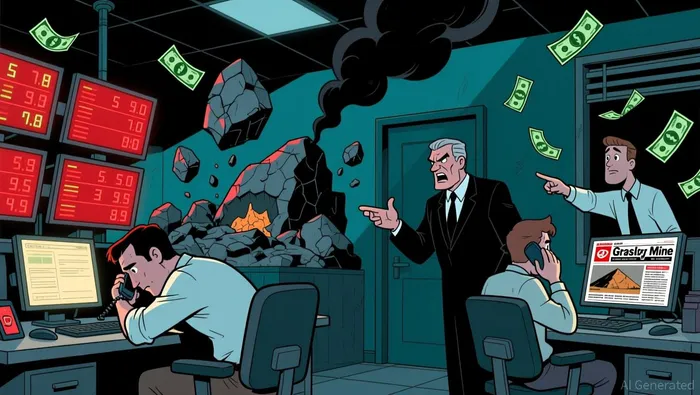
Regulatory and reputational risks have compounded the financial impact on Freeport-McMoRan. The lawsuit emphasizes that the company’s failure to address safety concerns at the Grasberg mine exposed it to heightened scrutiny from regulatory bodies, which could result in fines, operational restrictions, or mandatory reforms. Such outcomes would not only increase compliance costs but also disrupt production at one of Freeport’s most critical assets. Reputational damage has also been significant, as the allegations have drawn public attention to the company’s labor practices in Indonesia, a region where Freeport operates under a commercial agreement with the Indonesian government. These factors have likely deterred institutional investors, who now perceive FCX as a high-risk holding amid ongoing legal uncertainties.
The timeline of the class action lawsuit underscores a pattern of delayed disclosures. Investors who purchased FCX shares during the class period are alleged to have been misled by the company’s assurances about its safety protocols and operational transparency. The lawsuit’s lead plaintiffs, with a deadline of January 12, 2026, to seek appointment as lead plaintiff, represent a broad cohort of shareholders who suffered losses following the market’s correction. Legal experts note that the case could set a precedent for holding mining firms accountable for operational safety failures, particularly in high-risk environments. For Freeport-McMoRan, the resolution of this litigation—whether through settlement or trial—will likely influence its future capital allocation, insurance costs, and access to financing.
The broader implications for FCX’s stock performance remain uncertain. While the company has not admitted wrongdoing, the lawsuit’s allegations have already depressed investor sentiment, as evidenced by the 3.93% price drop and reduced trading volume. The market’s reaction suggests that investors are pricing in potential liabilities, including legal settlements, regulatory penalties, and operational disruptions. Additionally, the lawsuit has intensified scrutiny of Freeport’s management practices, raising questions about its ability to maintain profitability in a sector increasingly sensitive to ESG (environmental, social, and governance) criteria. Until the legal and operational uncertainties are resolved, FCX’s stock is likely to remain volatile, with its performance contingent on the outcome of the class action and the company’s capacity to restore investor trust.
In summary, Freeport-McMoRan’s recent stock decline reflects a confluence of legal, operational, and reputational risks tied to its Indonesian mining operations. The class action lawsuit has exposed systemic weaknesses in the company’s risk management, eroding confidence in its leadership and governance. As the legal process unfolds, investors will closely monitor developments in the Grasberg mine, regulatory responses, and Freeport’s efforts to address safety concerns. Until these issues are satisfactorily resolved, FCX’s market performance is likely to remain constrained by ongoing uncertainties.

Stay ahead of the market.
Get curated U.S. market news, insights and key dates delivered to your inbox.
AInvest
PRO
AInvest
PRO



Comments
No comments yet