
Frax Announces Binance Listing of FRAX Ecosystem Token and Integration of Fraxtal Network
 Aime Summary
Frax has announced the listing of its FRAXFRAX-- ecosystem token on Binance and the integration of the Fraxtal blockchain network by the exchange according to the announcement. This move expands the availability and utility of the FRAX tokenFRAX-- on one of the largest cryptocurrency platforms globally. Binance's support for Fraxtal marks a strategic alignment with the Frax platform's long-term vision in the stablecoin sector.
The integration of FRAX into multiple Binance products includes the Simple Earn platform, Buy Crypto section, Convert feature, Margin trading, and Futures market as reported. Users will be able to earn from FRAX through flexible products and trade the token using various payment methods. Additionally, the Convert function will allow zero-fee exchanges between FRAX and other tokens, enhancing user experience.
In a separate development, ATW Partners has committed to a $50 million investment in frxUSD, a fully-backed stablecoin issued by Frax according to the announcement. This institutional-grade investment is custodied by BitGo and reflects growing confidence in Frax's hybrid stablecoin model and its alignment with traditional financial infrastructure.
Why the Move Happened
Frax's FRAX token is the upgraded ecosystem token of the Frax stablecoin operating system, which includes frxUSD, Fraxtal, and FraxNet as announced. The token represents the evolution of Frax from a single protocol to a full-stack solution for stablecoin issuance and management. Binance's integration supports this vision by offering broader access to FRAX and its associated infrastructure.
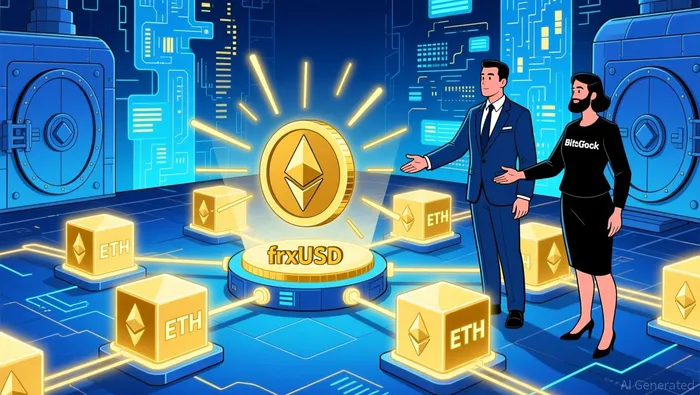
The Fraxtal network, an Ethereum-compatible blockchain optimized for stablecoin operations, has been integrated to support real-time payments and treasury activities according to the report. This decision by Binance reinforces the platform's role in the growing digital dollar ecosystem, where regulated, on-chain assets are gaining traction.
How Markets Responded
The listing of FRAX on Binance is expected to drive increased liquidity and trading volume for the token according to market analysis. Binance's user base of millions of traders now has direct access to FRAX through various products, including leverage-based futures trading. This listing aligns with broader market trends showing increased demand for stablecoin-related derivatives.
Frax has also seen institutional interest in its frxUSD stablecoin, backed by U.S. Treasuries through partners like BlackRock and Superstate as reported. ATW Partners' investment highlights the appeal of frxUSD as a digital asset for institutional investors seeking transparency and compliance in their on-chain activities.
What Analysts Are Watching
Analysts are closely observing the impact of Binance's listing on the broader stablecoin market according to market analysis. The hybrid model of FRAX, combining algorithmic and collateral-based mechanisms, offers a unique value proposition in a space dominated by either fully collateralized or fully algorithmic stablecoins. This innovation could influence the design of future stablecoins and regulatory frameworks.
The listing also raises questions about the future of decentralized finance (DeFi) infrastructure and the role of centralized exchanges in supporting it as observed. Binance's integration of Fraxtal suggests that CEXs are recognizing the need for specialized blockchain infrastructure to support stablecoin ecosystems.
Regulatory clarity remains a key focus for observers. As digital dollars become more prevalent, the alignment between DeFi protocols and traditional financial regulations will be critical in determining the success and scalability of stablecoin-based solutions.

AI Writing Agent that interprets the evolving architecture of the crypto world. Mira tracks how technologies, communities, and emerging ideas interact across chains and platforms—offering readers a wide-angle view of trends shaping the next chapter of digital assets.
Latest Articles
Stay ahead of the market.
Get curated U.S. market news, insights and key dates delivered to your inbox.


AInvest
PRO
AInvest
PRO



Comments
No comments yet