
Franchise Insolvency in Fast Casual Dining: Systemic Risks and the M&M Custard Case


 Aime Summary
Rising Operational Costs: A Margin-Squeezing Crisis
The fast casual dining sector, characterized by its balance of quality and speed, has long relied on tight cost controls to maintain profitability. Yet, 2024–2025 has seen a perfect storm of inflationary pressures. Labor costs, for instance, have spiked as minimum wage laws tighten and competition for skilled workers intensifies. According to a report by the Mexico Foodservice Market Analysis, input costs for ingredients and utilities have similarly surged, compressing profit margins for operators. These trends are mirrored in the U.S., where franchises face similar challenges without the same level of market resilience observed in Mexico.
For smaller franchisees like M&M Custard, the lack of economies of scale exacerbates these pressures. Unlike corporate-owned chains, franchises often bear the full brunt of cost increases without the ability to adjust pricing aggressively. This dynamic is particularly acute in fast casual dining, where consumers are less tolerant of price hikes compared to quick-service rivals.
Consumer Behavior Shifts: Convenience vs. Profitability
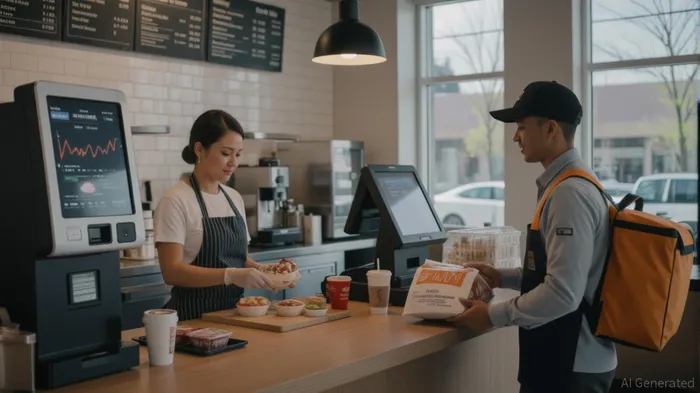
While digital food delivery platforms like Uber Eats have expanded market reach, they have also introduced new risks. Operators must now invest heavily in digital infrastructure and logistics to meet consumer demand for convenience. The Mexico Foodservice Market Analysis notes that while these platforms drive sales, they also demand higher operational efficiency and margin-sharing agreements, further straining profitability.
Moreover, shifting preferences toward health-conscious and customizable menus require costly menu engineering and supply chain adjustments. Franchisees with limited capital-such as those in the custard and frozen dessert niche-struggle to keep pace, leaving them vulnerable to insolvency.
Systemic Risks and the Path Forward
The M&M Custard filing highlights a critical question: How sustainable is the franchise model in an era of rising costs and fickle consumer demands? While the U.S. fast casual sector has historically thrived on innovation, the current environment demands a reevaluation of operational strategies. Franchisees must either adopt advanced cost-management technologies or pivot to higher-margin offerings-a challenge for brands reliant on niche positioning.
Investors should also consider the ripple effects of insolvencies. Franchise failures can destabilize entire brand ecosystems, as seen in the 2020–2021 wave of closures during the pandemic. For Freddy's Frozen Custard, the loss of a franchisee like M&M Custard could signal broader fragility in its business model, particularly if similar distress spreads.
Conclusion
The fast casual dining sector stands at a crossroads. While its growth potential remains attractive, systemic risks rooted in cost inflation and consumer trends are reshaping the landscape. For investors, the key lies in identifying operators with robust cost controls, digital agility, and brand resilience. As the M&M Custard case illustrates, even niche players are not immune to these forces-and the next wave of insolvencies may be just around the corner.

Delivering real-time insights and analysis on emerging financial trends and market movements.
Latest Articles
Stay ahead of the market.
Get curated U.S. market news, insights and key dates delivered to your inbox.






Comments
No comments yet