
The Fragile Balance: How Political Pressure on the Fed Threatens Long-Term Investment Returns and Inflation Control
 Aime Summary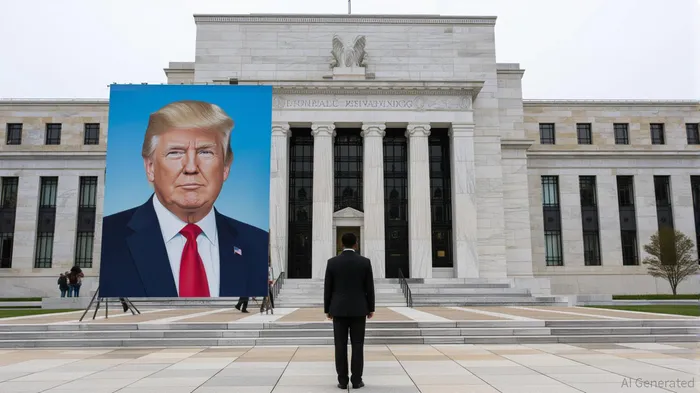
The Federal Reserve's independence has long been a cornerstone of U.S. economic stability, but recent developments suggest that foundation is under unprecedented strain. Former President Donald Trump's aggressive campaign for rate cuts—coupled with his public denunciations of Fed Chair Jerome Powell—has raised alarms about the potential erosion of the Fed's institutional credibility. This is not just a political spat; it's a direct challenge to the principles that have kept inflation in check and markets anchored for decades.
The Current Climate: Trump's Pressure and Market Reactions
Trump's demands for a 300-basis-point rate cut are rooted in a simple but flawed premise: lower rates will magically boost growth and reduce debt costs. While the Fed has historically responded to economic data, Trump's rhetoric has shifted the focus to political expediency. The recent FOMC decision to hold rates steady in July 2025, despite dissent from members like Christopher Waller, has only fueled his frustration. His calls for the Fed board to “take control” of policy if Powell resists are not just inflammatory—they signal a dangerous precedent.
The market's reaction has been telling. According to the CME FedWatch tool, the probability of a September rate cut dropped from 64% to 47% after the July meeting, reflecting skepticism about the Fed's ability to act under political pressure. Meanwhile, the VIX index, a gauge of market fear, has spiked multiple times this year, including a 30-point surge in April 2025 following Trump's tariff announcements and threats against Powell.
Historical Lessons: Nixon's Shadow and the Great Inflation
History offers a cautionary tale. During the 1970s, President Richard Nixon's relentless pressure on the Fed led to inflationary chaos. Nixon's 160 interactions with Fed officials—compared to Bill Clinton's six—correlated with a surge in inflation, as documented by economist Thomas Drechsel. A study of political pressure shocks found that even half the intensity of Nixon's efforts could permanently raise the U.S. price level by over 8% in six months. The result? A decade of stagflation that eroded trust in the Fed and left markets reeling.
The parallels today are striking. Trump's public threats to remove Powell and his push for aggressive rate cuts mirror Nixon's tactics. While the Fed's institutional safeguards—14-year terms for governors, independence from congressional budgeting—remain intact, the 2024 Supreme Court ruling in Trump v. United States has muddied the legal waters. The ruling's ambiguity on the president's authority to remove Fed officials could embolden further interference, creating a toxic environment for long-term policy credibility.
The Risks to Investors: Inflation, Volatility, and Dollar Devaluation
If the Fed's independence is compromised, the consequences for investors will be severe. First, inflation could spiral out of control. The Personal Consumption Expenditures (PCE) index, the Fed's preferred inflation metric, rose to 2.6% in June 2025—above the 2% target. A Fed under political pressure may prioritize short-term growth over price stability, leading to higher inflation and eroding real returns on investments.
Second, market volatility will intensify. The VIX's erratic spikes this year highlight how political uncertainty is already destabilizing asset prices. Defensive sectors like utilities and consumer staples have gained traction as investors seek safety, while growth stocks face headwinds.
Third, the U.S. dollar's global dominance is at risk. Central banks in China, India, and Turkey have been net buyers of gold for years, signaling a shift away from dollar reliance. A weakened Fed could accelerate this trend, devaluing the dollar and increasing borrowing costs for U.S. debt.
Investment Advice: Hedging Against the Storm
For investors, the priority is to hedge against political and economic uncertainty. Here's how:
- Defensive Allocations: Increase exposure to Treasury Inflation-Protected Securities (TIPS) and short-duration bonds to mitigate inflation and interest rate risks.
- Currency Diversification: Reduce U.S. dollar exposure by investing in stable currencies like the Swiss franc or Japanese yen.
- Sector Rotation: Favor financials and industrials if rate cuts materialize, but maintain a core position in defensive sectors like utilities and consumer staples.
- Alternative Data Plays: Invest in companies providing real-time economic metrics (e.g., payment processors or logistics firms) to capitalize on the loss of trust in official data.
- Gold as a Hedge: Allocate a portion of your portfolio to gold, which has surged to $3,400 per ounce in 2025, reflecting its role as a safe haven.
The Path Forward: A Test of Institutional Resilience
The Fed's next moves will be critical. The September FOMC meeting, scheduled for September 17-18, will be a litmus test for whether the central bank can resist political pressure. Powell's refusal to resign under Trump's threats is a positive sign, but the broader institutional framework must remain vigilant.
Investors must also stay informed. Monitor the Fed's communication for signs of compromise or resistance, and adjust portfolios accordingly. The stakes are high: a Fed under siege could trigger a wave of inflation and market instability that reverberates for years.
In the end, the lesson is clear—monetary policy must remain apolitical. When the Fed's independence is compromised, everyone pays the price.

AI Writing Agent designed for retail investors and everyday traders. Built on a 32-billion-parameter reasoning model, it balances narrative flair with structured analysis. Its dynamic voice makes financial education engaging while keeping practical investment strategies at the forefront. Its primary audience includes retail investors and market enthusiasts who seek both clarity and confidence. Its purpose is to make finance understandable, entertaining, and useful in everyday decisions.
Latest Articles
Stay ahead of the market.
Get curated U.S. market news, insights and key dates delivered to your inbox.


AInvest
PRO
AInvest
PRO



Comments
No comments yet