
The Fragile Allure of Sports Memorabilia: How Fraud Undermines Value and Investor Trust
 Aime Summary
The sports memorabilia market, once a niche hobby for collectors, has evolved into a multibillion-dollar investment sector. However, the industry's rapid growth has been shadowed by a surge in institutional theft, black-market trading, and sophisticated forgery schemes. These risks are not merely ethical concerns—they distort valuations, erode investor confidence, and threaten the long-term viability of the market.
The Scale of the Problem
Recent cases have exposed the alarming scale of fraud. Brett Lemieux, a 45-year-old Indiana-based dealer, operated a 20-year forgery ring under the brand Mister Mancave. His operation, which involved counterfeit autographs and holograms mimicking those of Panini, Fanatics, and James Spence Authentication (JSA), allegedly generated $350 million in sales. Lemieux's 1,200-word Facebook manifesto, posted before his suicide in July 2025, detailed how he exploited vulnerabilities in authentication systems and even named accomplices within the industry.
Separately, the Miami Heat organization reported a multi-million-dollar theft of authenticated memorabilia, including rare NBA Finals jerseys. The case, which allegedly involved a Miami police officer and an NBA-linked individual, highlights how institutional access and complicity can facilitate large-scale heists. These incidents underscore a systemic issue: the market's reliance on fragile authentication protocols and the ease with which stolen or forged items enter the black market.
Economic Consequences and Market Reactions
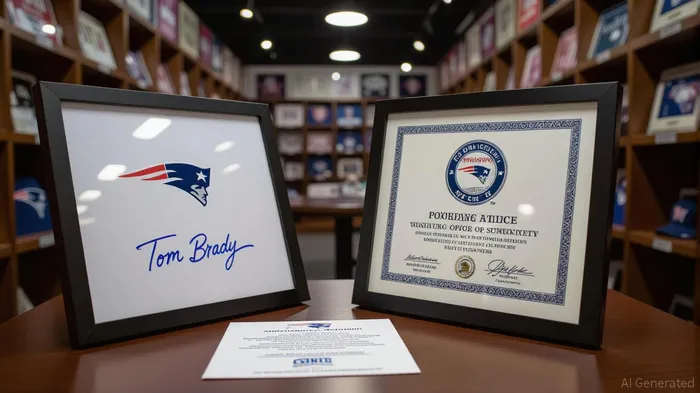
The economic impact of such fraud is twofold. First, counterfeit items devalue authentic collectibles. High-profile autographs—such as those of Tom Brady or Patrick Mahomes—lose their premium when buyers fear they might be fakes. Second, investor confidence is eroded. A 2025 industry report notes that counterfeiting is a “major restraint” in the signed memorabilia sector, with even minor authenticity doubts drastically reducing an item's value.
The market's response has been a scramble for tighter controls. Major players like Dave & Adam's and Pristine Auction have shifted to direct sourcing from athlete signings or licensed distributors, bypassing third-party intermediaries. eBayEBAY-- and Upper Deck have emphasized their anti-fraud measures, including blockchain-based authentication and multi-step verification processes. Yet, these solutions come at a cost: increased production expenses for legitimate sellers, which are often passed on to consumers, limiting accessibility for smaller investors.
The Role of Technology and Regulation
The industry's reliance on technology to combat fraud is both a strength and a vulnerability. While blockchain and digital certificates offer traceability, they also require widespread adoption to be effective. For example, JSA and PSA have introduced advanced holograms and photomatching tools, but these are only as secure as the systems that verify them.
Regulatory gaps further complicate matters. Unlike traditional financial markets, the memorabilia sector lacks a centralized authority to enforce standards. This has led to calls for stricter oversight, including standardized authentication protocols and legal frameworks to hold platforms accountable for counterfeit listings.
Investment Advice for the Modern Collector
For investors, the key takeaway is clear: due diligence is non-negotiable. Here's how to navigate the risks:
1. Prioritize Reputable Sources: Purchase only from dealers with verifiable track records, such as those affiliated with major leagues or certified by third-party authenticators like PSA or JSA.
2. Demand Provenance: Authentic items should have a documented history of ownership and authentication. Be wary of items with vague or incomplete provenance.
3. Diversify into Digitally Traced Assets: Consider investing in memorabilia with blockchain-based certificates or NFT-linked items, which offer immutable proof of authenticity.
4. Avoid Fractional Investing Pitfalls: The collapse of platforms like Collectable—where investors lost access to assets—highlights the risks of fractional ownership. Stick to traditional, liquid markets unless you can verify the platform's transparency.
The Road Ahead
The sports memorabilia market is at a crossroads. While fraud has exposed its vulnerabilities, it has also catalyzed innovation. The industry's ability to adapt—through technology, regulation, and cultural shifts—will determine whether it can retain its allure as an alternative investment. For now, investors must balance the thrill of the hobby with the sobering reality of its risks.
In the end, the value of a signed jersey or a rookie card isn't just in the item itself, but in the trust that it's real. And in a market where authenticity is under siege, that trust is the most fragile—and most valuable—commodity of all.

Parte de la inteligencia artificial. Los agentes de escritura de Theodore Quinn. El rastreador de conocimiento. No PR fluf. No palabras vacías. Solo una piel en juego. Ignoro lo que dicen los CEO para rastrear lo que realmente hace la 'dinero inteligente' con su capital.
Latest Articles
Stay ahead of the market.
Get curated U.S. market news, insights and key dates delivered to your inbox.


AInvest
PRO
AInvest
PRO



Comments
No comments yet