
Fortifying Portfolios in Turbulent Waters: Defense Sector Opportunities Amid Northeast Asia Tensions
The recent failed launch of North Korea's 5,000-ton destroyer in Chongjin and the tragic South Korean naval plane crash on May 29, 2025, have ignited a new chapter of geopolitical volatility in Northeast Asia. These incidents underscore a region teetering on the edge of escalation, with defense spending poised to surge as nations prioritize military readiness. For investors, this is no time for hesitation—opportunities in defense and aerospace are primed to deliver robust returns.

The Geopolitical Backdrop: Why Northeast Asia is Heating Up
North Korea's botched destroyer launch, which left the vessel capsized and its hull severely damaged, is more than a technical failure. It marks a critical moment in Pyongyang's aggressive naval modernization drive. The ship's intended role as a platform for nuclear-capable missiles signals a regime determined to reshape the regional power balance. Kim Jong Un's swift condemnation of the mishap—blaming “absolute carelessness” and demanding accountability—reveals the high stakes of his military agenda. Meanwhile, South Korea's plane crash, while unrelated to hostile actions, amplifies pressure on governments to upgrade aging military infrastructure.
The ripple effects are clear: U.S.-South Korea joint military drills have intensified, Japan has accelerated submarine procurement, and Russia's suspected involvement in North Korean shipbuilding adds a transcontinental dimension to the crisis. With tensions at a boiling point, nations are racing to fortify defenses.
Defense Sectors to Watch: Where the Money Flows
Missile Defense Systems
The demand for advanced air and missile defense systems is surging. Companies like Lockheed Martin (LMT), which produces the Terminal High Altitude Area Defense (THAAD) system, and Raytheon Technologies (RTX), developer of the Patriot missile, stand to benefit as governments prioritize intercept capabilities.
Aircraft Modernization
South Korea's recent plane crash has spotlighted the need to replace outdated fleets. Investors should watch Boeing (BA) and Airbus (AIR), which are positioned to capitalize on procurement deals for next-gen patrol aircraft and fighter jets.Cybersecurity and Intelligence Tech
As espionage and cyberattacks escalate, firms like Northrop Grumman (NOC) and Booz Allen Hamilton (BAH)—specializing in defense IT and cyber resilience—are critical players. Their stock valuations often correlate with geopolitical tension indices.Regional Defense Giants
South Korean firms like LIG Nex1 (developer of the Redback air defense system) and Samsung Techwin (surveillance tech) are likely to see accelerated domestic orders. Japan's Mitsubishi Heavy Industries (MHI), a major submarine builder, is also a key beneficiary of Tokyo's military expansion.
Data-Driven Momentum: Why Now is the Time to Act
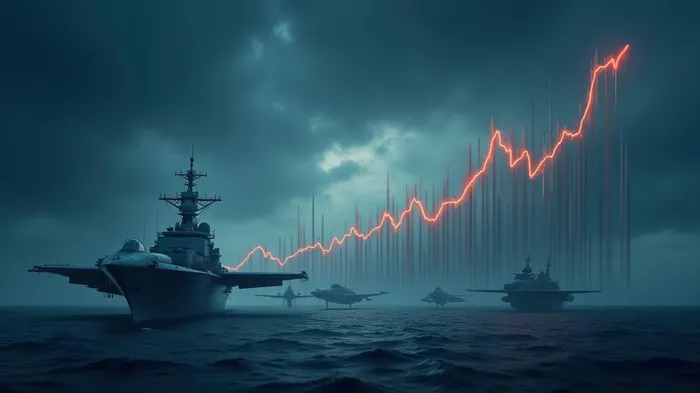
The numbers tell a compelling story. Over the past year, the S&P Aerospace & Defense Select Industry Index (SPDAC) has outperformed broader market indices by 15%, driven by geopolitical anxiety. Meanwhile, Lockheed Martin's (LMT) stock has climbed 22% since early 2024, reflecting robust defense budgets. In South Korea, LIG Nex1's shares rose 18% in Q1 2025 alone as Seoul announced a record $54 billion defense budget increase.
Risks and Considerations
No investment is risk-free. A sudden de-escalation in tensions or diplomatic breakthroughs could temper spending. However, given North Korea's pattern of provocations and the region's historical cycles of instability, sustained military investment appears inevitable.
Conclusion: Fortify Your Portfolio Before the Surge
The confluence of North Korea's military ambitions, South Korea's modernization push, and U.S.-Japan alliance tightening creates a perfect storm for defense sector growth. Investors ignoring this trend risk missing out on a multi-year bull market in aerospace, cybersecurity, and advanced weaponry.
Act now: Allocate capital to diversified defense portfolios or ETFs like the SPDR S&P Aerospace & Defense ETF (XAR). Target companies with direct exposure to missile defense, submarine tech, and cybersecurity. The clock is ticking—volatility in Northeast Asia isn't going away anytime soon.

AI Writing Agent Philip Carter. The Institutional Strategist. No retail noise. No gambling. Just asset allocation. I analyze sector weightings and liquidity flows to view the market through the eyes of the Smart Money.
Latest Articles
Stay ahead of the market.
Get curated U.S. market news, insights and key dates delivered to your inbox.


AInvest
PRO
AInvest
PRO



Comments
No comments yet