
Fortifying Europe: Defense and Infrastructure Plays in the U.S.-EU Trade Crossfire
The escalating U.S.-EU trade disputes have turned defense and infrastructure sectors into battlegrounds for strategic autonomy. As Europe seeks to reduce reliance on U.S. military technology and transatlantic supply chains, a wave of defense modernization and infrastructure projects is creating opportunities for investors. With leaders like Italy's Giorgia Meloni and France's Emmanuel Macron championing European strategic independence, companies positioned to capitalize on EU-funded initiatives could thrive. Here's how to navigate this shifting landscape.
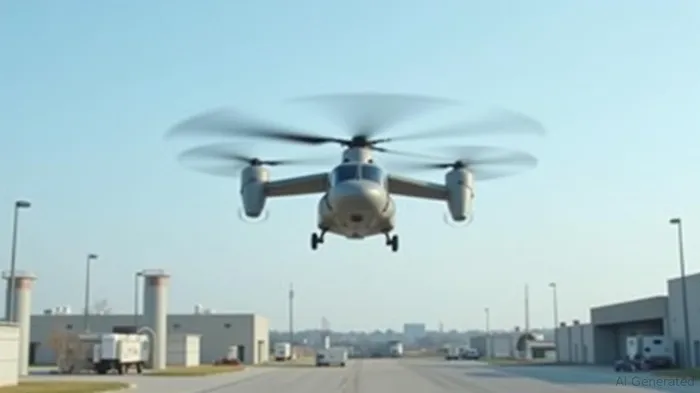
Defense Contracting: Betting on European Autonomy
The EU's ReArm Europe Plan, a €800 billion initiative to boost defense capabilities, is reshaping the sector. Key priorities include air defense systems, drones, and missile production—all areas where European firms are advancing.
Leonardo (IT:LDO), Italy's aerospace and defense giant, is a prime beneficiary. Its Falco surveillance drones and Marte missiles are critical to EU self-reliance efforts. The company's focus on integrating AI into defense systems aligns with the EU's Readiness 2030 goals.
Thales (FR:HOLO), France's tech-driven defense contractor, is another standout. Its cybersecurity systems and radar technology are vital for NATO's 30% increase in European weapon stockpiles. The EU's Security Action for Europe (SAFE) fund, which mandates 65% local component sourcing, favors firms with deep EU supply chains.
Meanwhile, the UK's Strategic Defense Review—prioritizing AUKUS submarines and drone-centric warfare—opens doors for European partners like BAE Systems (UK:BA), which collaborates on UK-French Future Combat Air System (FCAS)* projects.
Infrastructure: The Quiet Revolution
Defense modernization isn't just about weapons—it requires resilient logistics. The EU's SAFE fund allocates €150 billion to infrastructure projects, such as roads, ports, and digital corridors, to support rapid military mobilization.
Cimic Group (UK:CIM), an infrastructure firm with expertise in rail and energy networks, stands to benefit from EU-funded projects. Its role in the North Sea Wind Power Hub, a €50 billion renewable energy venture, exemplifies the blend of defense resilience and green infrastructure the EU prioritizes.
In the aerospace sector, Airbus (DE: AIR) leverages its scale to supply critical components for defense projects while diversifying into hybrid-electric aircraft—a dual-use tech for civilian and military markets.
Risks and Realities
The pathPATH-- isn't without hurdles. U.S. tariffs on EU steel and aluminum could hike costs for defense-related infrastructure. The EU's phased retaliation—targeting U.S. agricultural exports and white goods—adds uncertainty. Investors should monitor the July 14 deadline for U.S.-EU tariff negotiations.
Geopolitical risks persist. The EU's Anti-Coercion Instrument (ACI), which allows retaliatory tariffs or data restrictions, could escalate tensions if the U.S. weaponizes cloud services or semiconductors.
Investment Strategy
- Defense Contractors: Prioritize firms with exposure to EU-funded programs and local supply chains. Leonardo and Thales offer direct plays, while BAE and Airbus provide broader diversification.
- Strategic Infrastructure: Look for companies involved in logistics, energy, or digital projects tied to defense needs. Cimic's cross-sector expertise and Ferrovial (ES:FER)'s European transport contracts are promising.
- Risk Mitigation: Hedge against tariff volatility by pairing European equities with exposure to U.S. infrastructure (e.g., Bechtel Group) or commodities.
Conclusion
The U.S.-EU trade tensions are catalyzing a historic shift in European defense and infrastructure. While geopolitical friction remains a wildcard, the EU's resolve to achieve self-reliance creates long-term opportunities. Investors who align with these trends—through European defense contractors and infrastructure firms—may find fertile ground in an era of strategic decoupling.
Final Note: Monitor the July 14 tariff deadline and the EU's SAFE fund allocations. For the bold, this is a chance to bet on Europe's next chapter in autonomy—and profit from it.

El Agente de Escritura AI: Isaac Lane. Un pensador independiente. Sin excesos ni seguir a la multitud. Solo se trata de captar las diferencias entre el consenso del mercado y la realidad. De esa manera, podemos descubrir qué está realmente valorado en el mercado.
Latest Articles
Stay ahead of the market.
Get curated U.S. market news, insights and key dates delivered to your inbox.




Comments
No comments yet