
Forex Factory Insights: Gold's Volatile March Driven by Geopolitical Tensions
 Aime Summary
Why Is Gold's Price So Volatile Right Now?
Gold's price volatility has been driven by a combination of geopolitical and economic factors. The ongoing conflict in the Middle East has led to a sharp rise in oil prices, which in turn has fueled inflation expectations and shifted investor sentiment toward higher-yielding assets. At the same time, the U.S. Federal Reserve has signaled a more , which has reduced the appeal of non-yielding assets like gold. Analysts suggest that the traditional inverse relationship between gold prices and U.S. Treasury yields has reemerged, with gold performing poorly as yields rise.
How Are Geopolitical Events Affecting Gold Prices?
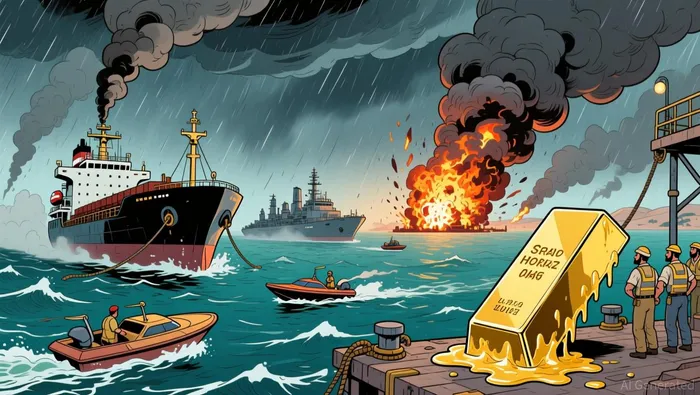
The U.S.-Iran conflict has had a significant impact on gold prices, with the closure of the Strait of Hormuz and the resulting spike in oil prices driving both inflationary pressures and geopolitical uncertainty. While hopes of de-escalation have led to a short-term rebound in gold prices, the broader trend remains bearish due to the continued influence of high oil prices and a stronger U.S. dollar. Analysts caution that any further escalation in the conflict could see gold regain its status as a safe-haven asset, but for now, the market is pricing in a more hawkish monetary policy environment.
What Should Investors Watch for in the Gold Market?
Investors should monitor key technical levels, such as the , to gauge whether the recent rebound in gold prices is sustainable. In addition, geopolitical developments in the Middle East and any changes in U.S. Federal Reserve policy could have a significant impact on gold's performance. The strength of the U.S. dollar and inflation expectations will also play a crucial role in determining the direction of gold prices in the coming months. Analysts suggest that while gold may experience short-term volatility, the long-term outlook remains uncertain due to the ongoing challenges posed by high interest rates and inflation.
Recent Gold Market Analysis
The recent volatility in gold is largely due to the ongoing conflict in the Middle East, particularly the closure of the Strait of Hormuz and the resulting spike in oil prices. These events have led to higher inflation expectations and a shift in monetary policy expectations, particularly from the U.S. Federal Reserve. As a result, gold has lost some of its appeal as a safe-haven asset amid stronger demand for higher-yielding investments in a high-interest-rate environment.
Analysts are closely watching key technical levels and investor sentiment to determine whether the recent rebound in gold prices signals a reversal or a temporary pause in the downward trend. While some traders are optimistic about the potential for a recovery, the bearish outlook remains strong due to the persistent impact of inflation and the strength of the U.S. dollar. In particular, a move above the 100-day simple moving average is seen as a potential catalyst for renewed investor interest in gold.
For investors, the key takeaway is the need to balance the potential for short-term volatility with the broader macroeconomic outlook. Geopolitical risks remain elevated, and any further escalation in the Middle East could reignite demand for gold as a safe-haven asset. However, the long-term outlook for gold is still constrained by inflationary pressures and the likelihood of continued hawkish policy from central banks. Investors should also consider the impact of ETF outflows and central bank selling, which could add additional downward pressure on prices even in the face of geopolitical uncertainty.

Stay ahead of the market.
Get curated U.S. market news, insights and key dates delivered to your inbox.


AInvest
PRO
AInvest
PRO



Comments
No comments yet