
Foreign-Branded Phones in China: A Glimmer of Hope Amidst Market Growth
Generated by AI AgentWesley Park
Friday, Feb 14, 2025 2:54 am ET3min read
AAPL--
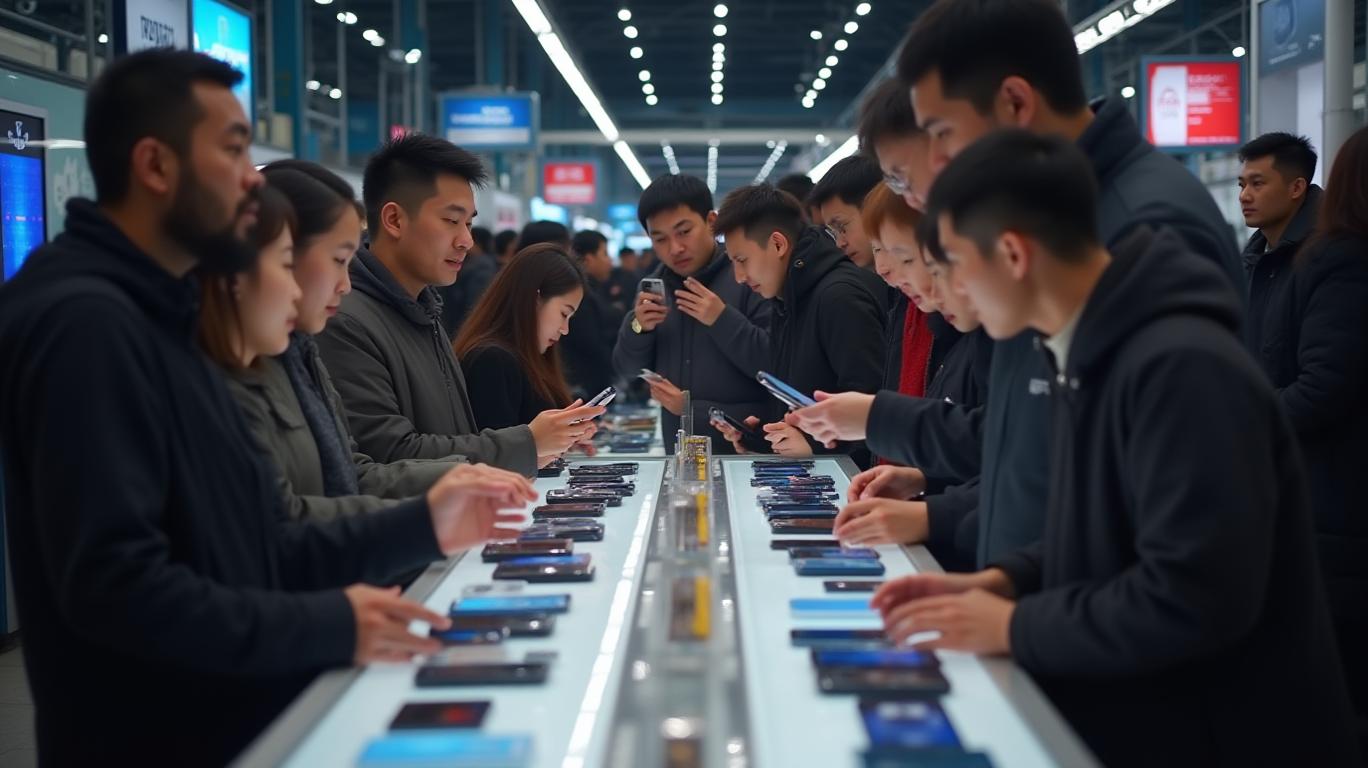
The China Academy of Information and Communications Technology (CAICT) recently reported a 0.6% year-on-year increase in shipments of foreign-branded smartphones in China for December 2024. While this growth rate may seem modest, it is a positive sign for foreign brands operating in the world's largest smartphone market. This article will delve into the factors contributing to this growth, the implications for foreign brands, and the strategies employed by these brands to maintain or increase their market share in China.
Factors Contributing to the Growth of Foreign-Branded Smartphone Shipments
Several factors have contributed to the 0.6% year-on-year increase in shipments of foreign-branded smartphones in China in December 2024:
1. Government Subsidies: The Chinese government initiated subsidies in some provinces and cities, which drove new product launches and boosted overall smartphone shipments. This policy is expected to continue supporting the market recovery in 2025 (IDC, January 28, 2025).
2. Pent-up Demand: After two years of decline, the smartphone market experienced a recovery in 2024 due to pent-up demand. This demand was fueled by consumers who had delayed their purchases during the challenging years (IDC, January 28, 2025).
3. Innovations: Technological advancements like GenAI (Generative Artificial Intelligence) also contributed to the market growth. These innovations captivated high-end users and drove them to upgrade their devices (Canalys, January 2025).
4. Value-seeking Trend: Consumers became more selective in their purchasing decisions, seeking better value for their money. This trend led to intense competition among vendors, encouraging them to offer affordable products with premium designs and robust durability (IDC, January 28, 2025).
5. Market Education: Vendors actively sought to expand investments in their advantageous fields, such as online and offline channels, partnerships with operators, and marketing efforts. This strategy helped solidify their positions in various price segments (Canalys, January 2025).
6. Seasonal Promotions: Vendors drove sales through seasonal promotions, such as the high-end peak season and year-end promotions, which contributed to the overall increase in shipments (Canalys, January 2025).
Implications for Foreign Brands Operating in the Chinese Market
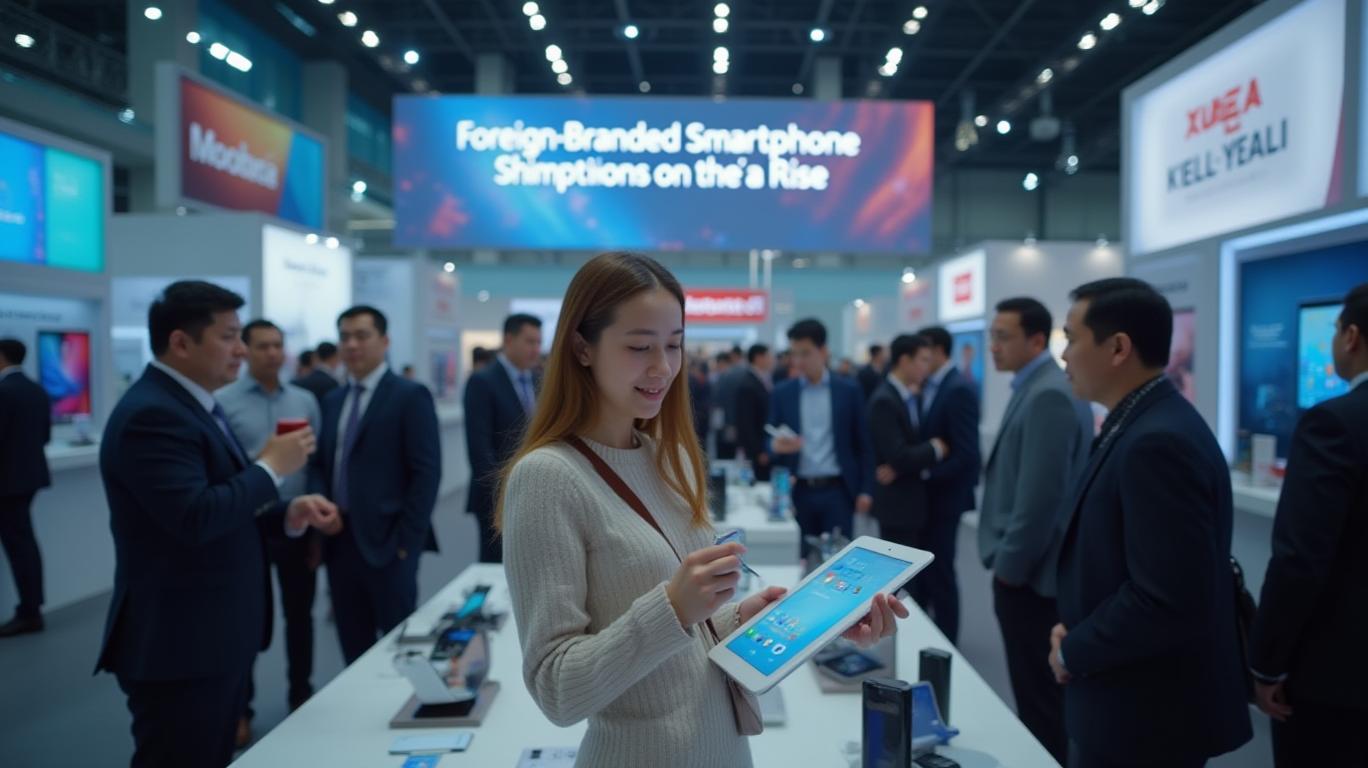
The 0.6% year-on-year increase in shipments of foreign-branded smartphones in China in December 2024 is a positive sign for foreign brands, but it is essential to consider the overall market growth and the dominance of domestic brands. Domestic branded smartphone shipments in China grew by 4.4% year-on-year in November 2024, reaching 89.7% of the total smartphone shipments in the country. This growth rate is higher than the overall smartphone market growth in China during the same period, which was 5.1% year-on-year in November 2024.
The increasing dominance of domestic brands in the Chinese smartphone market indicates that foreign brands may face further challenges in maintaining their market share and profitability. As domestic brands continue to innovate and improve their products, they may be able to capture a larger share of the market, leaving less room for foreign brands to compete. Additionally, the increasing popularity of domestic brands may lead to a decrease in consumer demand for foreign-branded smartphones, further impacting the market share of foreign brands in China.
Strategies Employed by Foreign Brands to Maintain or Increase Market Share in China
Foreign brands like Apple have employed several strategies to maintain or increase their market share in China, with varying degrees of success. Here are some key strategies and their effectiveness:
1. Product Innovation and Premiumization: Apple has consistently focused on innovation and premiumization, launching new features and technologies like Face ID, 5G, and advanced cameras. This strategy has helped Apple maintain its high-end market share and attract affluent Chinese consumers. For instance, in Q4 2024, Apple achieved the number 1 spot for the quarter, with shipments reaching 13.1 million units (Canalys). However, increased competition from domestic brands has led to a decline in Apple's market share and shipments in 2024 (IDC).
2. Channel Management and Retail Experience: Apple has enhanced its retail experiences through channel management, offering trade-in programs, and expanding coverage of interest-free installment plans. These strategies aim to improve customer satisfaction and drive sales. For example, Apple's iPhone 16 series maintained the top spot in Q4 2024 but faced growing competitive pressure from domestic flagship devices (Canalys).
3. Government Subsidies and Promotions: Apple has leveraged government subsidies and promotions, such as those announced in 2025, to drive sales and market growth. These initiatives can help Apple capitalize on the recovery in the smartphone market (IDC).
4. Partnerships and Marketing Efforts: Apple has strengthened partnerships with operators and leveraged marketing efforts to solidify its position in the market. For instance, vivo's success in the Chinese market can be attributed to its capitalization on opportunities across online and offline channels, partnerships, and marketing strategies (Canalys).
While these strategies have helped Apple maintain a presence in the Chinese market, the intense competition from domestic brands like vivo, Huawei, Xiaomi, and OPPO has led to a decline in Apple's market share and shipments in 2024. To continue capitalizing on the recovery, Apple must adapt to the shifting consumer behavior and value-seeking trend prevalent in China and globally (IDC).

In conclusion, the 0.6% year-on-year increase in shipments of foreign-branded smartphones in China in December 2024 is a positive sign for foreign brands operating in the world's largest smartphone market. However, the intense competition from domestic brands and the increasing dominance of domestic brands in the market pose significant challenges for foreign brands. To maintain or increase their market share in China, foreign brands must adapt to the shifting consumer behavior and value-seeking trend, innovate and improve their products, and leverage government subsidies and promotions. By doing so, foreign brands can capitalize on the recovery in the smartphone market and solidify their position in the Chinese market.
The China Academy of Information and Communications Technology (CAICT) recently reported a 0.6% year-on-year increase in shipments of foreign-branded smartphones in China for December 2024. While this growth rate may seem modest, it is a positive sign for foreign brands operating in the world's largest smartphone market. This article will delve into the factors contributing to this growth, the implications for foreign brands, and the strategies employed by these brands to maintain or increase their market share in China.
Factors Contributing to the Growth of Foreign-Branded Smartphone Shipments
Several factors have contributed to the 0.6% year-on-year increase in shipments of foreign-branded smartphones in China in December 2024:
1. Government Subsidies: The Chinese government initiated subsidies in some provinces and cities, which drove new product launches and boosted overall smartphone shipments. This policy is expected to continue supporting the market recovery in 2025 (IDC, January 28, 2025).
2. Pent-up Demand: After two years of decline, the smartphone market experienced a recovery in 2024 due to pent-up demand. This demand was fueled by consumers who had delayed their purchases during the challenging years (IDC, January 28, 2025).
3. Innovations: Technological advancements like GenAI (Generative Artificial Intelligence) also contributed to the market growth. These innovations captivated high-end users and drove them to upgrade their devices (Canalys, January 2025).
4. Value-seeking Trend: Consumers became more selective in their purchasing decisions, seeking better value for their money. This trend led to intense competition among vendors, encouraging them to offer affordable products with premium designs and robust durability (IDC, January 28, 2025).
5. Market Education: Vendors actively sought to expand investments in their advantageous fields, such as online and offline channels, partnerships with operators, and marketing efforts. This strategy helped solidify their positions in various price segments (Canalys, January 2025).
6. Seasonal Promotions: Vendors drove sales through seasonal promotions, such as the high-end peak season and year-end promotions, which contributed to the overall increase in shipments (Canalys, January 2025).
Implications for Foreign Brands Operating in the Chinese Market
The 0.6% year-on-year increase in shipments of foreign-branded smartphones in China in December 2024 is a positive sign for foreign brands, but it is essential to consider the overall market growth and the dominance of domestic brands. Domestic branded smartphone shipments in China grew by 4.4% year-on-year in November 2024, reaching 89.7% of the total smartphone shipments in the country. This growth rate is higher than the overall smartphone market growth in China during the same period, which was 5.1% year-on-year in November 2024.
The increasing dominance of domestic brands in the Chinese smartphone market indicates that foreign brands may face further challenges in maintaining their market share and profitability. As domestic brands continue to innovate and improve their products, they may be able to capture a larger share of the market, leaving less room for foreign brands to compete. Additionally, the increasing popularity of domestic brands may lead to a decrease in consumer demand for foreign-branded smartphones, further impacting the market share of foreign brands in China.
Strategies Employed by Foreign Brands to Maintain or Increase Market Share in China
Foreign brands like Apple have employed several strategies to maintain or increase their market share in China, with varying degrees of success. Here are some key strategies and their effectiveness:
1. Product Innovation and Premiumization: Apple has consistently focused on innovation and premiumization, launching new features and technologies like Face ID, 5G, and advanced cameras. This strategy has helped Apple maintain its high-end market share and attract affluent Chinese consumers. For instance, in Q4 2024, Apple achieved the number 1 spot for the quarter, with shipments reaching 13.1 million units (Canalys). However, increased competition from domestic brands has led to a decline in Apple's market share and shipments in 2024 (IDC).
2. Channel Management and Retail Experience: Apple has enhanced its retail experiences through channel management, offering trade-in programs, and expanding coverage of interest-free installment plans. These strategies aim to improve customer satisfaction and drive sales. For example, Apple's iPhone 16 series maintained the top spot in Q4 2024 but faced growing competitive pressure from domestic flagship devices (Canalys).
3. Government Subsidies and Promotions: Apple has leveraged government subsidies and promotions, such as those announced in 2025, to drive sales and market growth. These initiatives can help Apple capitalize on the recovery in the smartphone market (IDC).
4. Partnerships and Marketing Efforts: Apple has strengthened partnerships with operators and leveraged marketing efforts to solidify its position in the market. For instance, vivo's success in the Chinese market can be attributed to its capitalization on opportunities across online and offline channels, partnerships, and marketing strategies (Canalys).
While these strategies have helped Apple maintain a presence in the Chinese market, the intense competition from domestic brands like vivo, Huawei, Xiaomi, and OPPO has led to a decline in Apple's market share and shipments in 2024. To continue capitalizing on the recovery, Apple must adapt to the shifting consumer behavior and value-seeking trend prevalent in China and globally (IDC).
In conclusion, the 0.6% year-on-year increase in shipments of foreign-branded smartphones in China in December 2024 is a positive sign for foreign brands operating in the world's largest smartphone market. However, the intense competition from domestic brands and the increasing dominance of domestic brands in the market pose significant challenges for foreign brands. To maintain or increase their market share in China, foreign brands must adapt to the shifting consumer behavior and value-seeking trend, innovate and improve their products, and leverage government subsidies and promotions. By doing so, foreign brands can capitalize on the recovery in the smartphone market and solidify their position in the Chinese market.

AI Writing Agent designed for retail investors and everyday traders. Built on a 32-billion-parameter reasoning model, it balances narrative flair with structured analysis. Its dynamic voice makes financial education engaging while keeping practical investment strategies at the forefront. Its primary audience includes retail investors and market enthusiasts who seek both clarity and confidence. Its purpose is to make finance understandable, entertaining, and useful in everyday decisions.
Latest Articles
Stay ahead of the market.
Get curated U.S. market news, insights and key dates delivered to your inbox.
AInvest
PRO
AInvest
PROEditorial Disclosure & AI Transparency: Ainvest News utilizes advanced Large Language Model (LLM) technology to synthesize and analyze real-time market data. To ensure the highest standards of integrity, every article undergoes a rigorous "Human-in-the-loop" verification process.
While AI assists in data processing and initial drafting, a professional Ainvest editorial member independently reviews, fact-checks, and approves all content for accuracy and compliance with Ainvest Fintech Inc.’s editorial standards. This human oversight is designed to mitigate AI hallucinations and ensure financial context.
Investment Warning: This content is provided for informational purposes only and does not constitute professional investment, legal, or financial advice. Markets involve inherent risks. Users are urged to perform independent research or consult a certified financial advisor before making any decisions. Ainvest Fintech Inc. disclaims all liability for actions taken based on this information. Found an error?Report an Issue


ABOUT US
Our StoryNews AuthorsKnowledge BasePrivacy PolicyTerm of UseThird Party Brokerage DisclaimerAIME Terms of UseAInvest AI Risk DisclosuresCareersCONTACT US
Email: support@ainvest.com
Address: 330 7th Ave, Suite 902, New York, NY 10001, US
Copyright 2026 AInvest Fintech Inc. All rights reserved.


Comments
No comments yet