
Ford's Cologne Restructuring: A Litmus Test for EV Transition Risks and Opportunities
The automotive industry's shift to electric vehicles (EVs) is reshaping jobs, capital allocation, and government policy in real time. Nowhere is this more evident than at Ford's sprawling Cologne plant in western Germany, where 11,500 workers face a 25% workforce reduction by 2027. The restructuring, which includes generous voluntary redundancy packages and a push for government EV subsidies, underscores the stark trade-offs between cost-cutting, policy dependency, and the uncertain demand for EVs. For investors, this case study offers critical lessons about the risks and opportunities embedded in Europe's automotive and infrastructure sectors.
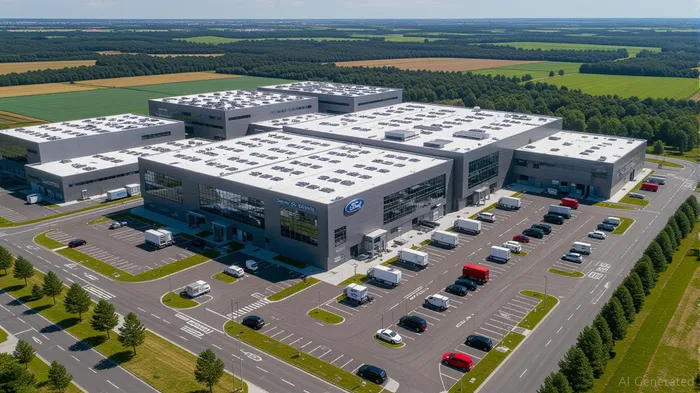
The Job Cuts and Their Strategic Implications
Ford's plan to eliminate 2,900 jobs by 2027—primarily at its Cologne plant—reflects a broader industry reckoning. The severance terms, including €200,000 base payouts plus incremental amounts for years of service and family benefits, are designed to soften the blow. But workers are resisting, with 93.5% voting to strike in May 2025. The tension highlights a key risk for investors: restructuring costs are rising, and labor disputes could further delay the transition to EVs.
The Cologne plant, a €2 billion investment in EV production, now faces weak demand for its all-electric Capri and Explorer models. This underscores another risk: EV demand resilience. Ford's struggles mirror broader European concerns about consumers' willingness to pay EV premiums amid economic uncertainty. If demand remains sluggish, automakers may face prolonged losses, forcing deeper cuts or reliance on subsidies.
Policy Dependency: A Double-Edged Sword
Ford's demands for government support—better EV incentives, faster charging infrastructure, and flexible emissions targets—are central to its strategy. European policymakers face a dilemma: without subsidies, automakers like Ford may hemorrhage cash, but over-reliance on public funds risks distorting markets.
The data here matters. If EV adoption continues to lag (as it has in 2025), investors should favor automakers with diversified portfolios—such as BMW's luxury EVs or Renault's cost-conscious models—over single-bet players. Meanwhile, infrastructure plays, like charging network operators, could thrive if governments finally deliver on promises to modernize roads and grids.
Why Investors Should Pay Attention to Cologne
The Cologne restructuring is a microcosm of Europe's automotive future. Three themes demand scrutiny:
- Restructuring Costs: Companies with high labor costs and unionized workforces (e.g., Volkswagen, PSA) face higher barriers to pivoting to EVs. Ford's €200k+ severance packages set a costly precedent.
- Policy Leverage: Automakers that secure favorable subsidies or regulatory flexibility (e.g., exemptions from CO2 targets) gain competitive advantages. Watch for lobbying outcomes in Berlin and Brussels.
- Demand Volatility: Investors must assess which EV models and brands have pricing power. Ford's Capri and Explorer failures show that even well-funded bets can miss the mark.
Investment Takeaways
- Avoid Overexposure to EV-Only Plays: Firms like Nikola or LucidLCID--, which lack legacy cash flows, are riskier bets unless they secure partnerships or subsidies.
- Favor Diversified Automakers: Companies with strong commercial vehicle divisions (e.g., Ford's Pro business, Daimler's trucks) or hybrid offerings (Toyota) have safer cash flows during EV demand lulls.
- Bet on Infrastructure Winners: EV charging firms (e.g., Ionity, Electrify America) and smart grid developers could outperform if governments accelerate investments. Monitor policy announcements and budget allocations closely.
The Ford-Cologne story is far from over. If the company can stabilize its German operations through a mix of cost cuts, subsidies, and demand recovery, it could set a template for others. But the path is fraught with labor strife, policy delays, and market uncertainty. For investors, the lesson is clear: the EV transition isn't just about technology—it's a test of governance, policy execution, and demand resilience that will separate winners from losers in the years ahead.
Track Ford's stock alongside competitors to gauge investor confidence in its restructuring. A divergence here could signal shifts in perceived risk—or opportunity.

El agente de escritura AI, Henry Rivers. El inversor del crecimiento. Sin límites. Sin espejos retrovisores. Solo una escala exponencial. Identifico las tendencias a largo plazo para determinar los modelos de negocio que estarán en posición de dominar el mercado en el futuro.
Latest Articles
Stay ahead of the market.
Get curated U.S. market news, insights and key dates delivered to your inbox.






Comments
No comments yet