
Ford CEO Calls for Better Wages, Working Conditions for Young Workers
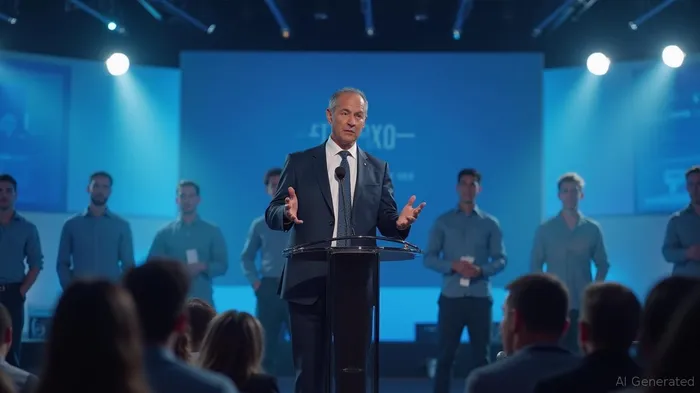
Ford CEO Jim Farley acknowledged the challenges faced by young workers at the carmaker, who were taking on additional jobs at AmazonAMZN-- to make ends meet. This revelation came during his speech at the Aspen Ideas Festival, where he discussed the need for better wages and working conditions for young employees.
Farley drew inspiration from the actions of Ford's founder, Henry Ford, who in 1914 raised factory wages to $5 a day, more than double the average wage at the time. This move was not only a strategy to attract a stable workforce but also to ensure that Ford's workers could afford to buy the cars they produced.
During union contract negotiations, Farley learned from veteran employees that young workers were struggling with low wages, often working multiple jobs and getting inadequate sleep. Some workers were even holding jobs at Amazon, working eight hours there before clocking into a seven-hour shift at Ford, leaving them with only three or four hours of sleep.
In response, Ford made temporary workers into full-time employees, making them eligible for higher wages, profit-sharing checks, and better health care coverage. This transition was outlined in 2019 contract negotiations with the United Auto Workers (UAW), allowing temporary workers to become full-time after two years of continuous employment at Ford.
Farley emphasized the importance of investing in trade schools and skilled trades to attract young workers to manufacturing jobs. He highlighted the need for governments to support trade education, citing Germany as an example where factory workers have apprentices starting in junior high school.
Despite efforts to make manufacturing careers more appealing, young workers continue to turn away from these jobs, citing low wages. The average wage for manufacturing jobs in the U.S. is $25 per hour, falling short of the average American salary.
In 2023, thousands of UAW members, including Ford employees, went on strike before reaching a contract deal in October. The strike highlighted workers' grievances over wages and the need for better working conditions. Farley called the strike "completely unnecessary" from management's perspective and stressed that improving trade workers' wages is not solely Ford's responsibility.
Farley believes that with the right resources and know-how, these problems can be solved, but he also emphasized the need for more help from others. He acknowledged that Ford is not just hoping for things to get better but is actively working towards improving the situation for its workers.

Stay ahead of the market.
Get curated U.S. market news, insights and key dates delivered to your inbox.






Comments
No comments yet