
Food Safety Risks and Consumer Trust in Dairy Products: How Recent Cheese Recalls Signal Supply Chain Vulnerabilities and Impact CPG Stocks


 Aime Summary
Here is the final article with the three required tags inserted strictly according to the rules:
The dairy industry, a cornerstone of global food systems, faces mounting scrutiny over food safety risks and supply chain vulnerabilities. Recent high-profile cheese recalls in 2025-spanning contamination with metal fragments and -highlight systemic weaknesses in production and distribution. These incidents not only threaten consumer health but also expose financial and reputational risks for consumer packaged goods (CPG) companies, raising critical questions for investors.
Supply Chain Vulnerabilities: A Closer Look
In October 2025, Great Lakes Cheese Co. Inc. issued a massive recall of over 1.5 million bags of shredded cheese due to potential metal contamination. The FDA classified this as a , indicating products could cause temporary or reversible health issues
according to the FDA report. The contamination originated from raw materials, underscoring gaps in supplier oversight and quality control. Meanwhile, Middlefield Original Cheese Co-Op recalled multiple products-including Organic Gouda, Cheddar, and Monterey Jack-in July–August 2025 after internal testing detected Listeria monocytogenes in finished goods and equipment surfaces
according to the FDA. These cases reveal a troubling pattern: even established producers struggle to maintain hygiene and traceability in complex supply chains.
The root causes of these failures are multifaceted. For Great Lakes, the issue stemmed from inadequate screening of raw materials, while Middlefield's contamination likely arose from environmental factors in production facilities
as reported by Cheese Reporter. Such incidents reflect broader industry challenges, including reliance on third-party suppliers, high-volume processing, and insufficient real-time monitoring systems.
Consumer Trust: A Fragile Asset
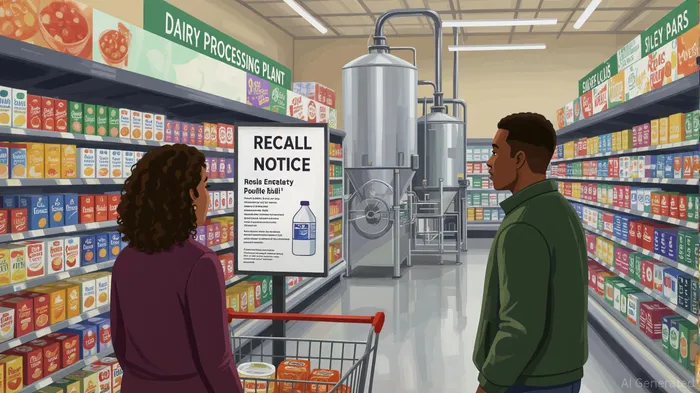 Consumer trust in dairy products remains a double-edged sword. While the Dairy MAX . Trust was strongest among African American, Hispanic, and Gen Alpha demographics but lagged among Gen Z, who exhibited heightened skepticism
according to the Dairy MAX blog. The further notes a shift toward "considered consumption," with younger consumers prioritizing sustainability and transparency
according to the New Food Magazine.
However, these positive trends are undermined by frequent recalls. For instance, the 2025 outbreak linked to Middlefield's products prompted the FDA's highest risk warning, despite no reported illnesses
according to Newsweek. Such events erode confidence, particularly in niche or artisanal products, where brand reputation is paramount. The ripple effects extend beyond the implicated companies: retailers like Walmart, Target, and Aldi, which sold Great Lakes' contaminated cheese, also face reputational damage
according to the AllRecipes report.
Financial Impacts on CPG Stocks: A Data Gap
Despite the severity of these recalls, specific stock price data for Great Lakes Cheese Co. and Middlefield Original Cheese Co-Op during the 2025 recall periods remains elusive. This absence of granular financial metrics complicates direct analysis of their market impact. However, historical precedents suggest that food safety crises often lead to short-term stock declines. For example, the 2018 E. coli outbreak linked to romaine lettuce caused shares of major suppliers to drop by 10–15% within weeks
according to CRC Group.
The lack of transparency in the dairy sector's financial reporting exacerbates this challenge. Unlike larger CPG giants (e.g., Nestlé or Danone), smaller cooperatives and private-label producers often lack publicly traded stock or detailed earnings reports. This opacity limits investors' ability to assess long-term risks, particularly for companies reliant on contract manufacturing or third-party logistics.
Investor Implications and Strategic Considerations
For investors, the 2025 cheese recalls underscore the need for rigorous due diligence in the dairy sector. Key considerations include:
1. Supply Chain Resilience: Prioritize companies with robust traceability systems, such as blockchain-based tracking or real-time contamination sensors.
2. Diversification: Avoid overexposure to single suppliers or regions prone to regulatory scrutiny.
3. : Monitor trust metrics by demographic and region, as shifts in perception can drive demand volatility.
While the dairy industry's overall growth-cheese consumption in the U.S.
according to Dairy Processing-suggests resilience, recent recalls highlight the fragility of this optimism. Companies that fail to modernize safety protocols risk not only regulatory penalties but also irreversible brand erosion.
Conclusion
The 2025 cheese recalls serve as a wake-up call for the dairy industry and its investors. As supply chains grow more complex and consumer expectations evolve, food safety must transition from a compliance checkbox to a strategic priority. For CPG stocks, the absence of concrete stock performance data during these crises underscores the sector's underdeveloped risk frameworks. Investors who act proactively-by favoring firms with transparent practices and diversified operations-will be better positioned to navigate the turbulence ahead.

Stay ahead of the market.
Get curated U.S. market news, insights and key dates delivered to your inbox.


AInvest
PRO
AInvest
PRO



Comments
No comments yet