
Food Safety Crises and Global Seafood Markets: Assessing Shrimp Sector Vulnerabilities and Investment Risks


 Aime Summary
The recent cesium-137 contamination crisis in the U.S. shrimp supply chain, linked to Indonesian supplier PT. Bahari Makmur Sejati (BMS Foods), underscores the fragility of global seafood markets and the cascading risks for investors. This incident, which prompted widespread recalls and regulatory scrutiny, highlights how food safety crises can disrupt supply chains, erode consumer trust, and reshape trade dynamics. For investors, the fallout from this crisis offers critical lessons on the interplay between supply chain integrity, regulatory oversight, and long-term sectoral resilience.
Supply Chain Vulnerabilities Exposed
The contamination originated from industrial activity near BMS Foods' facility in Indonesia, where radioactive dust from a steel manufacturer, Peter Metal Technology (PMT), inadvertently entered the food production chain.
The U.S. FDA confirmed cesium-137 levels in a sample of frozen breaded shrimp at 68.48 Bq/kg-a level below the Derived Intervention Level of 1,200 Bq/kg but still concerning for prolonged consumption. This incident exposed the risks of relying on global supply chains with fragmented oversight, particularly in regions where industrial and agricultural activities intersect without adequate safeguards.
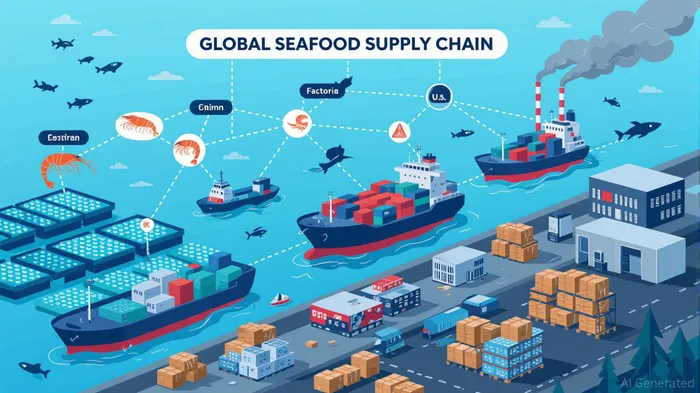 The ripple effects were immediate.
The FDA placed BMS Foods and PT Natural Java Spice on Import Alert #99-51, triggering detention of their future shipments without physical examination.
Major U.S. retailers, including Walmart and Kroger, removed hundreds of thousands of pounds of frozen shrimp from shelves.
The crisis also expanded to other Indonesian imports, such as cloves, as cesium-137 traces were detected in shipments from PT Natural Java Spice. This cross-contamination of reputational and regulatory risks illustrates how localized incidents can escalate into systemic challenges for entire export economies.
Regulatory Responses and Market Shifts
The U.S. response to the crisis has been swift and multifaceted.
The FDA's heightened surveillance at ports like Los Angeles and Miami, coupled with U.S. Customs and Border Protection (CBP) inspections, reflects a growing emphasis on proactive food safety measures. Meanwhile,
have called for a shift toward domestically sourced shrimp, arguing that Gulf Coast producers offer a safer alternative to frequently recalled foreign imports. This push for localization mirrors broader trends in global supply chains, where geopolitical tensions and sustainability concerns are driving a reevaluation of offshoring strategies.
Regulatory changes are further reshaping the sector.
The U.S. Marine Mammal Protection Act (MMPA), set to take effect in January 2026, will ban imports from fisheries that fail to meet U.S. bycatch and marine mammal protection standards.
Similarly, European Union (EU) policies, including stricter (ETS) charges and traceability requirements, are increasing import costs for seafood from Asia and South America. These developments signal a tightening of global food safety standards, which could disproportionately impact countries with less rigorous oversight frameworks.
Investment Risks and Sectoral Implications
For investors, the shrimp sector's exposure to food safety crises presents both immediate and long-term risks.
The 2025 recalls led to a 30-35% drop in processing absorption in Indonesia's shrimp industry, while the reputational damage to Indonesian exports has prompted calls for systemic reforms in quality assurance and traceability.
Dr. Indun Dewi Puspita of Universitas Gadjah Mada emphasized that transparency and compliance are now critical for restoring market confidence.
The insurance industry is also on high alert.
Insurers are preparing for potential claims related to food safety incidents, which could lead to higher premiums and stricter compliance requirements across the sector. For investors, this underscores the financial volatility associated with supply chain disruptions and regulatory penalties.
Globally, the shrimp market remains a $61.51 billion industry in 2025,
. However, , , and environmental pressures threaten growth.
The crisis in Indonesia has further highlighted the sector's dependence on aquaculture, . While sustainability trends are driving demand for eco-certified shrimp, the sector's vulnerability to contamination and regulatory shifts remains a key concern.
Future Outlook and Strategic Considerations
The 2025 cesium-137 incident serves as a cautionary tale for investors. It underscores the need for diversified supply chains, robust compliance frameworks, and a focus on domestic or regional sourcing where feasible. For example,
U.S. Gulf shrimp producers, though facing their own challenges, may benefit from increased demand as retailers seek to avoid foreign recalls. Similarly,
Ecuador's shrimp industry-bolstered by a new Chinese-owned processing plant and industry modernization-could gain a competitive edge in a market increasingly shaped by sustainability and traceability demands.
Investors must also monitor the interplay between trade policies and environmental regulations.
The WTO Fisheries Subsidy Agreement and the High Seas Treaty, which aim to reduce harmful fishing practices and introduce environmental assessments for high-seas operations, could further reshape global supply dynamics. These developments suggest that the shrimp sector's future will be defined not only by production efficiency but also by adherence to evolving ethical and ecological standards.
In conclusion, the 2025 shrimp recall crisis highlights the interconnectedness of food safety, regulatory oversight, and global trade. For investors, the path forward requires a nuanced understanding of supply chain vulnerabilities and a strategic alignment with emerging trends in sustainability and compliance. As the sector navigates these challenges, resilience will depend on adaptability, transparency, and a commitment to long-term value creation.

Stay ahead of the market.
Get curated U.S. market news, insights and key dates delivered to your inbox.
AInvest
PRO
AInvest
PRO



Comments
No comments yet