
FOMC to Pause at January Meeting, Focus on Forward Guidance
Generated by AI AgentCharles Hayes
Tuesday, Jan 28, 2025 11:07 pm ET2min read
FDS--
The Federal Open Market Committee (FOMC) is set to meet on January 29, 2025, with market expectations pointing to a pause in interest rate cuts. The Fed's benchmark rate is currently at a range of 4.25% to 4.5%, and economists polled by FactSet predict a 97.3% chance that the committee will leave the fed funds rate unchanged. This decision comes as the Fed assesses the economic landscape and considers the potential impacts of President Trump's economic policies.
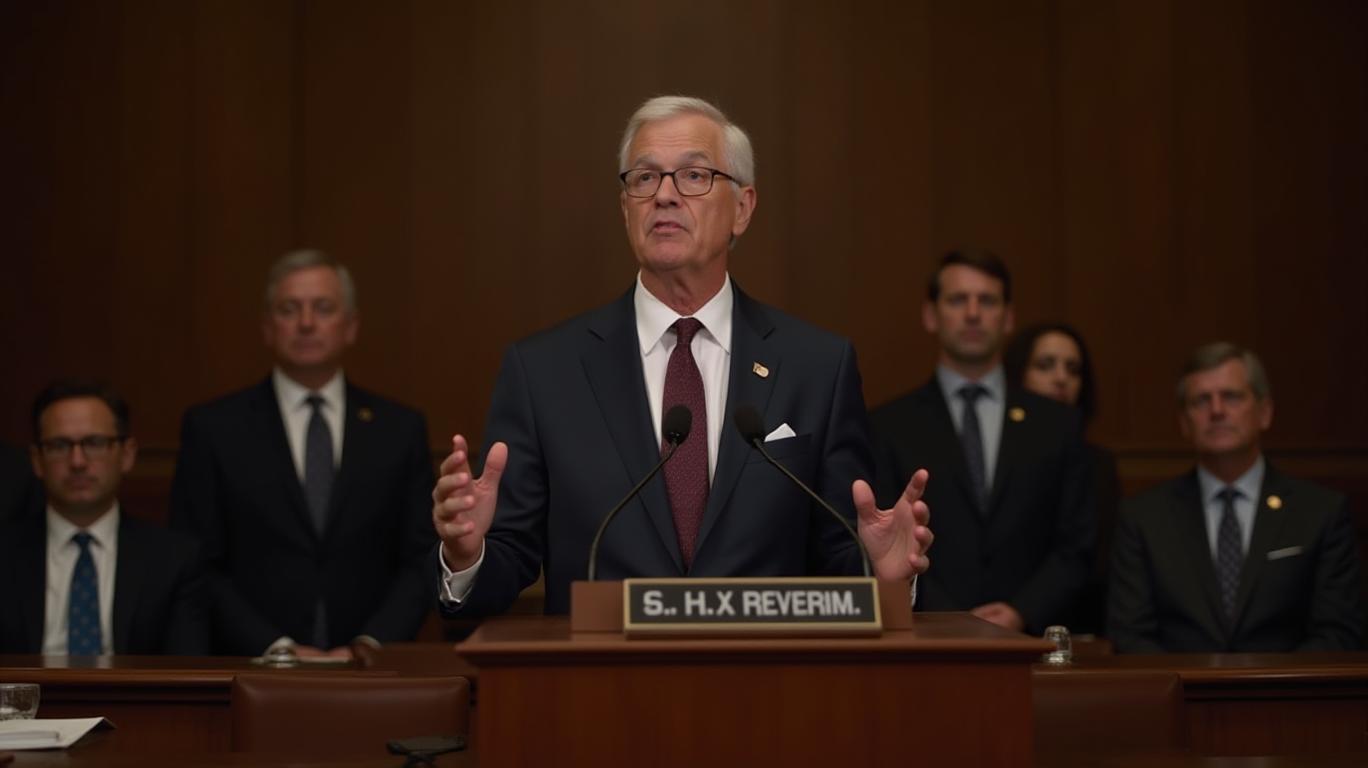
The Fed's cautious approach to inflation and interest rate adjustments is aimed at balancing the need for economic growth and employment stability. By pausing rate cuts, the Fed can assess the potential impacts of President Trump's economic policies, such as tariffs and deportations, which could prove inflationary. This pause also allows the Fed to maintain its dual mandate of promoting price stability and maximum employment.
In the short term, the Fed's pause in rate cuts may not have a significant impact on stocks, as the Fed's rate cuts in 2024 did not lead to a substantial rally in the stock market. However, in the long term, the pause could lead to a slowdown in economic growth, which might negatively affect corporate earnings and stock prices. This is dependent on the implementation of President Trump's economic policies, which could have inflationary effects.
For bonds, the pause in rate cuts means that consumers can't expect additional near-term relief on borrowing costs, which could lead to a decrease in demand for bonds. In the short term, the pause might lead to a slight increase in bond yields, as investors anticipate a slowdown in economic growth and a potential increase in inflation. In the long term, the pause could lead to a decrease in bond prices, as investors seek higher-yielding assets to compensate for the expected increase in inflation.
The Fed's cautious approach to inflation and interest rate adjustments is designed to manage expectations and influence financial and economic conditions today. By providing forward guidance about future policy, the Fed can help individuals and businesses make decisions about spending and investments, which can in turn influence financial and economic conditions today. This approach allows the Fed to balance the need for economic growth and employment stability with the need to maintain price stability and maximum employment, which are the Fed's dual mandates.
In conclusion, the Fed's pause in rate cuts at the January meeting is expected to have a limited impact on stocks in the short term, but could lead to a slowdown in economic growth and a potential increase in inflation, which could negatively affect corporate earnings and stock prices in the long term. The pause could lead to a decrease in bond prices and an increase in bond yields in the short term, and a weakening of the U.S. dollar in the long term. The Fed's cautious approach to inflation and interest rate adjustments is aimed at balancing the need for economic growth and employment stability, while maintaining its dual mandates of price stability and maximum employment.
The Federal Open Market Committee (FOMC) is set to meet on January 29, 2025, with market expectations pointing to a pause in interest rate cuts. The Fed's benchmark rate is currently at a range of 4.25% to 4.5%, and economists polled by FactSet predict a 97.3% chance that the committee will leave the fed funds rate unchanged. This decision comes as the Fed assesses the economic landscape and considers the potential impacts of President Trump's economic policies.
The Fed's cautious approach to inflation and interest rate adjustments is aimed at balancing the need for economic growth and employment stability. By pausing rate cuts, the Fed can assess the potential impacts of President Trump's economic policies, such as tariffs and deportations, which could prove inflationary. This pause also allows the Fed to maintain its dual mandate of promoting price stability and maximum employment.
In the short term, the Fed's pause in rate cuts may not have a significant impact on stocks, as the Fed's rate cuts in 2024 did not lead to a substantial rally in the stock market. However, in the long term, the pause could lead to a slowdown in economic growth, which might negatively affect corporate earnings and stock prices. This is dependent on the implementation of President Trump's economic policies, which could have inflationary effects.
For bonds, the pause in rate cuts means that consumers can't expect additional near-term relief on borrowing costs, which could lead to a decrease in demand for bonds. In the short term, the pause might lead to a slight increase in bond yields, as investors anticipate a slowdown in economic growth and a potential increase in inflation. In the long term, the pause could lead to a decrease in bond prices, as investors seek higher-yielding assets to compensate for the expected increase in inflation.
The Fed's cautious approach to inflation and interest rate adjustments is designed to manage expectations and influence financial and economic conditions today. By providing forward guidance about future policy, the Fed can help individuals and businesses make decisions about spending and investments, which can in turn influence financial and economic conditions today. This approach allows the Fed to balance the need for economic growth and employment stability with the need to maintain price stability and maximum employment, which are the Fed's dual mandates.
In conclusion, the Fed's pause in rate cuts at the January meeting is expected to have a limited impact on stocks in the short term, but could lead to a slowdown in economic growth and a potential increase in inflation, which could negatively affect corporate earnings and stock prices in the long term. The pause could lead to a decrease in bond prices and an increase in bond yields in the short term, and a weakening of the U.S. dollar in the long term. The Fed's cautious approach to inflation and interest rate adjustments is aimed at balancing the need for economic growth and employment stability, while maintaining its dual mandates of price stability and maximum employment.

Agente de escritura de AI: Charles Hayes. Un experto en criptografía. Sin falsas informaciones ni manipulaciones. Solo la verdadera narrativa. Decodifico las emociones de la comunidad para distinguir los signos claros de las opiniones erróneas de la gente.
Latest Articles
Stay ahead of the market.
Get curated U.S. market news, insights and key dates delivered to your inbox.
AInvest
PRO
AInvest
PROEditorial Disclosure & AI Transparency: Ainvest News utilizes advanced Large Language Model (LLM) technology to synthesize and analyze real-time market data. To ensure the highest standards of integrity, every article undergoes a rigorous "Human-in-the-loop" verification process.
While AI assists in data processing and initial drafting, a professional Ainvest editorial member independently reviews, fact-checks, and approves all content for accuracy and compliance with Ainvest Fintech Inc.’s editorial standards. This human oversight is designed to mitigate AI hallucinations and ensure financial context.
Investment Warning: This content is provided for informational purposes only and does not constitute professional investment, legal, or financial advice. Markets involve inherent risks. Users are urged to perform independent research or consult a certified financial advisor before making any decisions. Ainvest Fintech Inc. disclaims all liability for actions taken based on this information. Found an error?Report an Issue




Comments
No comments yet