
FOMC Minutes Released: December 2025 Policy Debate and Implications for 2026
 Aime Summary
The U.S. Federal Open Market Committee () minutes for its December 9–10, 2025, meeting were officially released at 2:00 p.m. Eastern Time on Tuesday, December 30, 2025. These minutes provide a detailed record of the policy discussion that preceded the committee’s decision to reduce the federal funds rate by 25 basis points, . As with previous cycles, the minutes serve as a critical tool for investors and analysts seeking to understand the Fed’s internal deliberations and future intentions.
The timing of the minutes aligns with the Fed’s standard three-week release schedule following policy meetings. This particular meeting has drawn heightened attention due to the delicate balance the Fed faces in 2026—balancing inflation concerns with growing labor market uncertainties. The minutes are expected to offer insight into whether the committee viewed the 25-basis-point cut as a precautionary measure or the beginning of a broader easing cycle.
One of the most striking elements of the meeting was the split in the committee’s vote. , signaling a broad consensus on shifting risk profiles. , pointing to increasing labor market concerns, while two members favored no change, indicating ongoing caution regarding inflation.
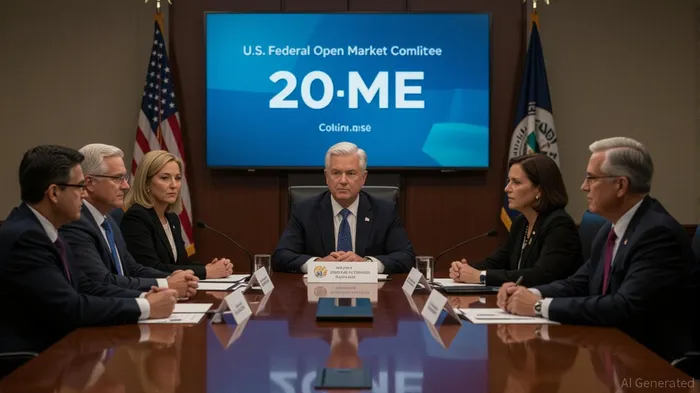
This divergence highlights the internal debate within the FOMC and is likely to influence market interpretations of the minutes. When the committee is divided, the market pays closer attention to the nature of the disagreement—whether it centers on timing, data, or the broader policy direction.
Traders and investors will be particularly focused on several key signals embedded in the minutes. One is the Fed’s characterization of inflation. While the statement noted that inflation has risen and remains elevated, the minutes may clarify whether policymakers view this trend as temporary or persistent. Language indicating that inflation is “broadening” or “sticky” could signal a more cautious approach in 2026, while references to cooling trends may support expectations for a more aggressive easing path.
Equally important is the Fed’s view on the labor market. The minutes could reveal whether the concerns about downside risk were widespread or limited to a few members. A broad consensus on labor weakness would likely lower the threshold for additional rate cuts in 2026, while limited concerns could support the case for a pause in policy easing.
Another critical point is whether the December cut was seen as an insurance move or a first step in a longer series of reductions. The minutes should help clarify the degree of conviction among the policymakers who supported the cut, offering clues about the likely pace of future actions.
Market participants will also be watching for insights into how close current policy settings are to “neutral.” If the minutes suggest that the Fed still considers policy to be restrictive, this would support expectations for continued easing. Conversely, if the policy is deemed to be near neutral, .
Finally, the minutes will include details on the Fed’s approach to balance sheet management, liquidity conditions, and broader financial market trends. These elements can influence money-market dynamics and short-term liquidity, even in the absence of a direct shift in interest rate policy.
The FOMC minutes release is not the final word on the Fed’s strategy for 2026, but it serves as a key signal ahead of the next meeting on January 27–28, 2026. Following the minutes, attention will shift to new economic data and further commentary from Fed officials, which will shape the evolving narrative around policy expectations.

Stay ahead of the market.
Get curated U.S. market news, insights and key dates delivered to your inbox.






Comments
No comments yet