
Florida's Real Estate Gold Rush: How Brian Mast's Influence is Driving Value
The real estate market in Florida is a battleground of political power, corporate interests, and rising property values. At the center of this dynamic is Representative Brian Mast, whose strategic alignment with real estate donors and legislative action has positioned Florida's housing market as one of the most promising investment opportunities in the U.S. This article unpacks how Mast's political influence—fueled by industry donations—could continue to boost property valuations, particularly in key sectors like coastal development, infrastructure, and environmental resilience.
The Donor Pipeline: Funding Florida's Future
Brian Mast's campaign finances reveal a clear pattern of support from the real estate sector. Between 2020 and 2025, $203,086 in individual donations and $22,000 in PAC contributions from real estate professionals flowed into his coffers during the 2019–2020 cycle alone, according to OpenSecrets.org. By 2023–2024, real estate donations had dipped slightly to $89,095, but this still placed the sector among his top five contributors. Notable donors include Cara Diplacidi, a self-employed real estate agent, and Anthony Lomangino, a waste management CEO with ties to real estate networks.
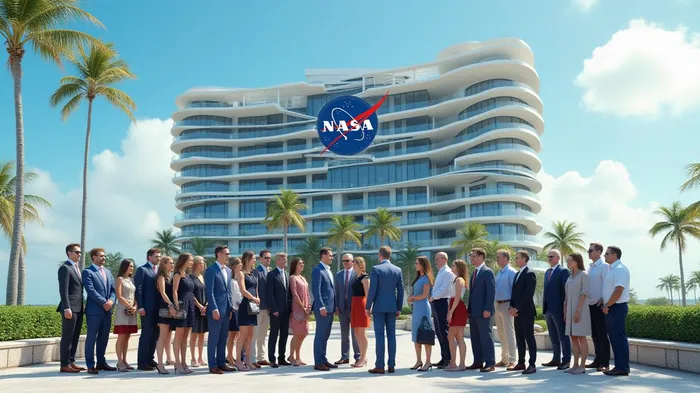
These contributions are not mere gestures—they reflect industry priorities. For example, Mast's HR2786 (Resilient Coasts and Estuaries Act of 2025) targets coastal infrastructure, a direct boon to Florida's $400 billion coastal real estate market. Similarly, his CAPE Canaveral Act (HR2422) could spark a boom in Brevard County's real estate as NASA's relocation creates jobs and demand for housing.
Legislative Leverage: Turning Donations into Market Momentum
Mast's legislative agenda has consistently aligned with real estate interests, even as his voting record grew more conservative. Key bills with direct implications for property values include:
- HR2786: Establishes a federal program to fund coastal resilience projects, reducing flood risks and stabilizing coastal property values.
- HR2422: NASA's relocation to Brevard County could inject over $1 billion in economic activity, driving demand for residential and commercial properties in the region.
- Opposition to Golf Course Developments: While he opposed a controversial golf course in Jonathan Dickinson State Park, his stance reflects broader environmental stewardship that preserves natural landscapes—critical for high-end real estate.
Mast's voting record on environmental regulations, such as disapproving EPA rules that could hinder development, further underscores his pro-growth stance.
The Competitive Edge: Mast vs. His Opponents
Mast's Democratic opponent, Thomas Witkop, received just $3,079 in real estate contributions during the 2023–2024 cycle, compared to Mast's $89,095. This funding gap ensures Mast's continued influence in shaping legislation that benefits real estate investors. His $2.2 million cash reserve versus Witkop's $96,000 amplifies his ability to prioritize pro-growth policies without relying on short-term donor pressure.
Investment Implications: Where to Stake Your Claims
Coastal Resilience Zones:
Properties in areas like the Florida Keys or Brevard County, which will benefit from HR2786's flood mitigation projects, are prime targets.
NASA's Brevard County Hub:
Residential and commercial real estate near Cape Canaveral could see a 20–30% value surge as NASA's relocation brings high-paying jobs.Environmental Preservation Areas:
Land adjacent to protected parks or wetlands, where development is limited but property demand is high, may see long-term appreciation.
Risks and Considerations
- Regulatory Delays: Federal programs like HR2786 may face bureaucratic hurdles, slowing investment returns.
- Election Uncertainty: A Mast loss in 2026 could shift policy direction, though his current funding advantage suggests resilience.
- Market Saturation: Florida's rapid growth risks oversupply in some areas, dampening returns.
Conclusion: Act Now—Before the Gold Rush Peaks
Florida's real estate market is at an inflection point, driven by Brian Mast's legislative clout and the lobbying power of his donors. For investors, the data is clear: sectors tied to coastal resilience, infrastructure, and strategic locations like Brevard County offer high-growth potential. With Mast's influence cemented and real estate valuations rising, the window to capitalize is narrowing.
Invest now—before the next legislative session locks in these opportunities.
The time to act is now. Florida's real estate gold rush isn't just a trend—it's a political and economic inevitability.

Stay ahead of the market.
Get curated U.S. market news, insights and key dates delivered to your inbox.






Comments
No comments yet