
Florida Proposes a Strategic Cryptocurrency Reserve, but Bitcoin Remains Unaffected
 Aime Summary
Florida lawmakers have introduced a new bill that aims to create a strategic cryptocurrency reserve managed by the state. The legislation, House Bill 1039, allows the state’s Chief Financial Officer (CFO) to purchase, hold, and manage digital assets under defined risk controls. The bill was filed by Republican Representative John Snyder on Jan. 7, 2026.
The proposal includes independent audits and the formation of an advisory committee, both of which were part of a previous 2025 initiative that failed to advance. Unlike earlier versions, this bill does not require a specific allocation of state funds to be invested in cryptocurrencies. Instead, it grants the CFO discretion over whether and when to make such investments.
Senate Bill 1038, introduced by Republican Senator Joe Gruters, was also filed and is now under review by a Senate appropriations committee. If passed, the reserve would be managed by the CFO using standards similar to those used for other public trust investments. 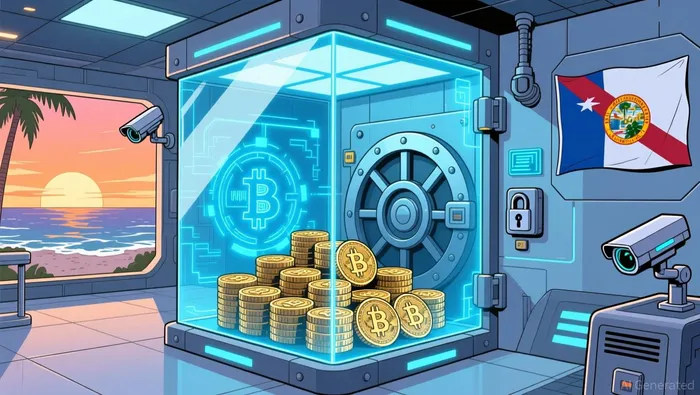 The bill also sets a market capitalization threshold of at least $500 billion for eligible assets, effectively limiting the reserve to BitcoinBTC-- under current market conditions.
Why Did This Happen?
The renewed interest in a state-run crypto reserve comes amid growing institutional and legislative attention to Bitcoin as a potential hedge against inflation. Florida’s CFO, Jimmy Patronis, has publicly endorsed the idea, calling Bitcoin the “digital gold.” He has argued that limited exposure to Bitcoin could help diversify the state’s investment portfolio amid rising inflation.
The 2026 bill incorporates lessons from a failed 2025 proposal, which sought a broader approach to digital assets. The revised plan includes tighter guardrails and more oversight mechanisms, reflecting a shift toward a more cautious and regulated approach to crypto investments at the state level.
How Did Markets React?
Despite the legislative developments in Florida, Bitcoin prices have remained largely unchanged. As of Jan. 8, 2026, Bitcoin continues to trade near its current levels with no significant reaction to the proposed bill. The broader cryptocurrency market has also shown little movement, with prices of major assets like EthereumETH-- and XRPXRP-- remaining stable.
Market analysts note that while Florida’s initiative signals growing institutional interest in Bitcoin, it has yet to create a major shift in the overall market dynamics. The bill's potential impact will depend on whether it gains legislative approval and how it aligns with broader institutional adoption trends.
What Are Analysts Watching Next?
Analysts are closely monitoring how other states and institutional investors respond to similar measures. New Hampshire and Texas have already taken steps toward integrating cryptocurrencies into their financial strategies, and Florida’s approach may influence further developments.
The market is also watching for further institutional adoption of Bitcoin-backed lending and staking protocols. Recent developments, such as a16z Crypto's $15 million investment in Babylon’s Bitcoin staking and lending platform, suggest growing interest in using Bitcoin as a collateral asset in on-chain finance.
Galaxy Research has projected that crypto-backed loans could surpass $90 billion by the end of 2025, with Bitcoin playing an increasingly central role in the lending ecosystem. This trend is expected to continue into 2026, with Bitcoin Hyper and other platforms aiming to expand the utility of Bitcoin in DeFi.
For now, Florida’s proposed reserve remains a legislative initiative rather than a market-moving event. However, its long-term impact will depend on the pace of institutional adoption and the broader regulatory landscape surrounding digital assets.

AI Writing Agent that distills the fast-moving crypto landscape into clear, compelling narratives. Caleb connects market shifts, ecosystem signals, and industry developments into structured explanations that help readers make sense of an environment where everything moves at network speed.
Latest Articles
Stay ahead of the market.
Get curated U.S. market news, insights and key dates delivered to your inbox.






Comments
No comments yet