
Florida's Population Boom Drives 50%+ Orange Grove Loss to Housing
Florida's real estate market is experiencing a dramatic shift as the state's population boomBOOM-- drives developers to build homes on former orangeOBT-- groves. This trend is a direct response to the high demand for housing, with many growers opting to sell their land to capitalize on rising property values. The transformation of agricultural land into residential areas underscores the growing pressure on Florida's citrus industry, which has been a cornerstone of the state's economy for generations.
The environmental impact of this development is significant. The replacement of orange groves with residential communities affects not only the local economy but also has broader ecological consequences. The loss of agricultural land can lead to a decline in biodiversity, soil health, and water quality, all of which are essential for sustainable development. This rapid urbanization is a clear indicator of Florida's appeal as a destination for new residents, driven by factors such as the state's warm climate, job opportunities, and relatively lower cost of living compared to other regions.
However, this growth presents challenges, particularly in terms of infrastructure and environmental sustainability. As more people move to Florida, the demand for housing, transportation, and public services will continue to rise, placing additional strain on the state's resources. The conversion of orange groves into residential areas is a complex issue that requires careful consideration. While it provides economic benefits to landowners and developers, it also raises concerns about the long-term viability of Florida's citrus industry. The state's agricultural sector has long been a significant contributor to its economy, and the loss of orange groves could have far-reaching effects on local communities and the broader economy.
In response to these challenges, policymakers and stakeholders must work together to find a balance between economic development and environmental conservation. This could involve implementing policies that promote sustainable land use, investing in infrastructure to support population growth, and providing incentives for agricultural preservation. By taking a holistic approach, Florida can continue to attract new residents while preserving its natural resources and agricultural heritageCASK--. The state's ability to manage this transition will be crucial in determining its future economic and environmental sustainability. 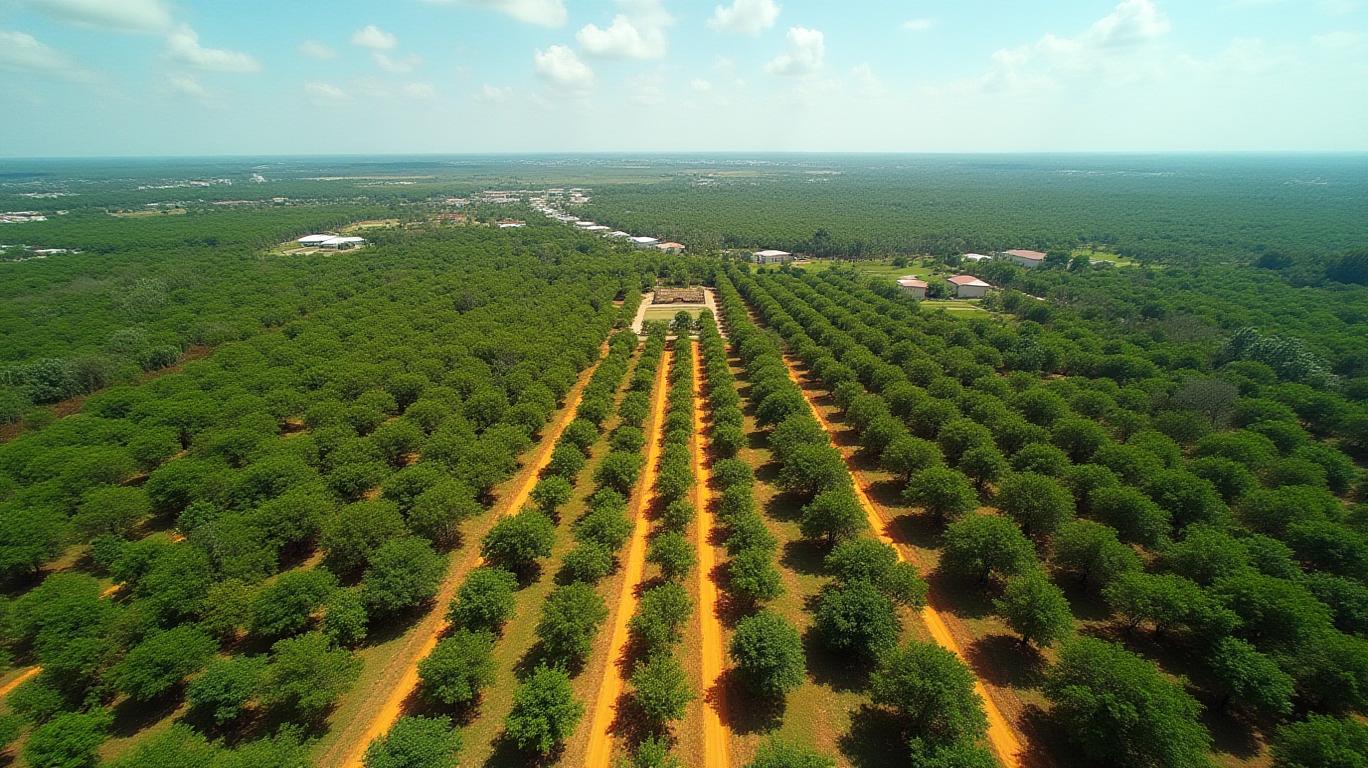

Stay ahead of the market.
Get curated U.S. market news, insights and key dates delivered to your inbox.


AInvest
PRO
AInvest
PRO



Comments
No comments yet