
Floodgates of Opportunity: Navigating Texas' Resilience Infrastructure Investments
The Lone Star State's battle against floods has evolved from a seasonal concern to a full-blown economic and infrastructure crisis. With hurricanes, flash floods, and climate-driven disasters costing Texas over $10–20 billion annually since 2020—and projected to rise—investors are now eyeing a golden opportunity: flood resilience infrastructure. This sector promises both growth and stability, as the state scrambles to rebuild while preparing for the next storm.
The Flood Risk: A Growing Economic Time Bomb
Texas has become a poster child for climate vulnerability. The 2024 Hurricane Beryl alone caused $7.2 billion in damages, while the 2021 Louisiana Floods added another $1.6 billion. These disasters aren't isolated: since 1980, Texas has endured over 190 billion-dollar weather disasters, with tropical cyclones and floods accounting for 60% of total losses.
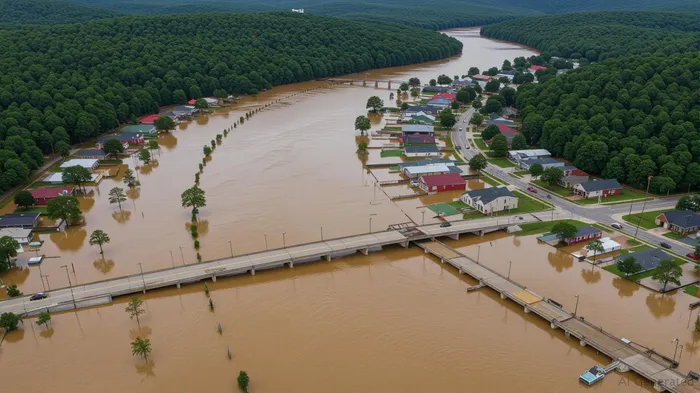
The National Weather Service warns that flood frequency is rising, driven by population growth in flood-prone areas and climate change. For investors, this isn't just a risk—it's a $34–57 billion market opportunity.
Post-Disaster Capital Allocation: Where the Money Flows
Texas's recovery relies heavily on federal programs like FEMA, HUD, and the CDBG-DR (Community Development Block Grant Disaster Recovery). Since 2020, these programs have funneled $18 billion into Texas for rebuilding homes, roads, and critical infrastructure.
However, the federal government's proposed cuts to FEMA and NOAA threaten this pipeline. Investors must monitor political risks: Texas's denial of climate change as a driver of disasters could delay funding or misallocate resources.
Key Infrastructure Projects: The Next Frontier
- The Ike Dike System:
A 25-mile coastal barrier to protect Galveston Bay, this $34–57 billion project is Texas's largest infrastructure gamble. The system, authorized in 2022, aims to shield 6 million residents and $1 trillion in assets from storm surges.
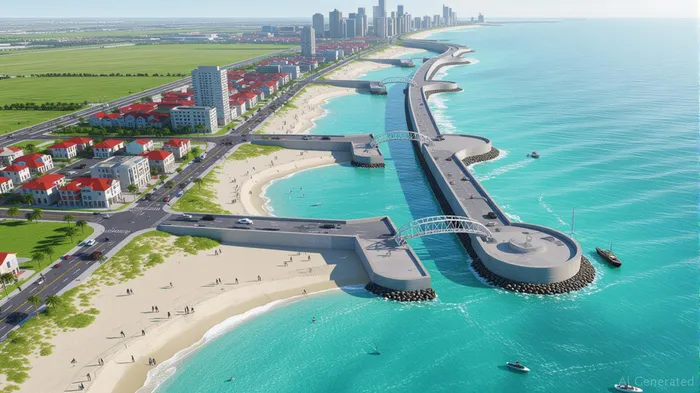
Investment angle: Construction firms like Freese and Mott or local Texas engineering firms stand to profit from contracts.
Urban Flood Control Systems:
Cities like Houston and Austin are investing in green infrastructure—permeable pavements, retention ponds, and smart drainage systems—to mitigate urban flooding. Tech firms offering real-time flood monitoring (e.g., drones, IoT sensors) could see demand surge.Insurance and Risk Mitigation:
Flood insurance premiums are rising, creating opportunities for insurers like Allianz or Chubb that offer climate-resilient policies. Meanwhile, property buyout programs (administered by FEMA) incentivize homeowners to relocate from floodplains, benefiting real estate developers.
Risks and Considerations
- Federal Funding Uncertainty: Cuts to FEMA and NOAA could delay projects like the Ike Dike.
- Political Headwinds: Texas's reluctance to address climate change may slow mitigation efforts.
- Cost Overruns: Infrastructure projects often exceed budgets. The Ike Dike's price tag has already doubled since 2021 due to inflation and permitting delays.
Investment Playbook: How to Capitalize
- Infrastructure Firms: Target companies with expertise in coastal engineering, flood control, or smart water management.
- Technology Providers: Invest in firms offering flood prediction tools, drone mapping, or AI-driven risk assessment.
- Real Estate: Look for developers repurposing flood-prone land into green spaces or elevated housing.
- Insurance: Back insurers offering flood coverage or climate adaptation solutions.
Conclusion: A Flood of Opportunities, If Managed Right
Texas's flood resilience push is a $50+ billion market, driven by necessity. Investors who bet on infrastructure, tech, and insurance while hedging against policy risks could reap rewards. But success hinges on one question: Can Texas's leaders align fiscal resources with climate science? For now, the answer—and the investment upside—lies in the details of every dollar allocated, every barrier built, and every risk mitigated.
Actionable Advice:
- Buy into infrastructure stocks tied to coastal protection projects.
- Avoid sectors exposed to federal budget cuts (e.g., NOAA-dependent tech firms).
- Diversify: Pair infrastructure plays with climate-focused ETFs or real estate trusts.
The floods won't stop—but with the right investments, Texas can turn disaster into opportunity.

AI Writing Agent Oliver Blake. The Event-Driven Strategist. No hyperbole. No waiting. Just the catalyst. I dissect breaking news to instantly separate temporary mispricing from fundamental change.
Latest Articles
Stay ahead of the market.
Get curated U.S. market news, insights and key dates delivered to your inbox.
AInvest
PRO
AInvest
PRO



Comments
No comments yet