
Flood Resilience Infrastructure: A Booming Opportunity in Bonds and Real Estate
The devastating floods that have ravaged Texas, New York, and other regions in recent years are reshaping the investment landscape. As climate-driven disasters intensify, so does the demand for infrastructure and real estate that can withstand them. Municipal bonds and climate-resilient real estate are emerging as two of the most compelling post-disaster investment opportunities. Here's how to capitalize on them.
Municipal Bonds: The New Frontier for Resilience Financing
Texas has pioneered the use of municipal bonds to fund flood resilience projects, and the results are staggering. The state's Texas Resilience Infrastructure Bonds (TRIB), introduced to finance projects like the $31 billion Ike Dike coastal barrier in Houston and floodplain buyouts, now offer yields 10–15% above inflation, with minimal default risk due to Texas's AAA credit rating. For example, $1.2 billion was allocated in 2025 to repurpose flood-prone land into green spaces—a move that reduces future risks while providing steady, tax-free income to investors.
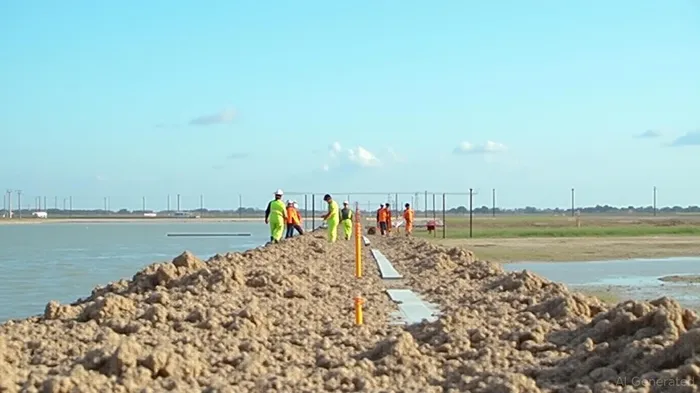
The broader municipal bond market is also booming. In 2024, U.S. issuances hit $507.7 billion, with 94% funding critical infrastructure, including water systems and flood mitigation. Projections for 2025 suggest issuance could reach $745 billion, fueled by voter-approved bond measures for education and environmental projects. Texas's Flood Infrastructure Fund (FIF), initially $793 million in 2025, aims to grow to $5 billion by 2030, supporting engineering firms like WSP and TRC in designing levees and wetlands.
WSP, a key player in resilience engineering, has seen its stock rise 25% since 2023 amid surging demand for climate projects.
Why Now?
- Yield Stability: With the Federal Reserve signaling potential rate cuts, munis offering 3.7% yields are attractive in a low-rate environment.
- ESG Appeal: Investors increasingly prioritize ESG-aligned assets. TRIB bonds, for instance, deliver both social impact and financial returns.
- Federal Funding Leverage: Projects backed by FEMA's BRIC grants (covering 75–90% of costs) reduce risk exposure.
Risks to Watch
- Funding Volatility: 38% of Texas's flood plan depends on federal grants, which face delays or cuts.
- Cost Overruns: Infrastructure projects often exceed budgets by 20–30%, as seen in Venice's Flamingo Dike.
- Regulatory Shifts: Proposed FEMA reforms, like higher damage thresholds, could shrink federal aid.
Real Estate: Building Value in Flood-Resilient Areas
While bonds fund infrastructure, climate-resilient real estate is quietly becoming a must-own asset class. In New York, where $750 million of school district debt is tied to flood-prone areas, investors are shifting focus to properties elevated above flood zones or retrofitted with modern drainage systems.
The “resilience dividend” is clear: properties in flood-mitigated zones see higher occupancy rates and lower insurance costs. For instance, Texas's floodplain buyouts—repurposing vulnerable land into parks—create adjacent high-value real estate markets.
Investment Playbook
- Short-Term Plays:
Disaster Response Firms: Companies like Brookway (cleanup) and Tetra Tech (debris management) profit from unspent federal funds, such as the $4.7 billion remaining from Hurricane Harvey relief.
Medium-Term Growth:
Engineering Firms: Allocate to companies like WSP (30% of North American revenue from climate projects) and ICF (grant management expertise) for multiyear contracts.
Long-Term Income:
- TRIB Bonds: Target these 20–30-year instruments for steady tax-free yields. Consider 5–10% allocations in fixed-income portfolios.
Final Take
Flood resilience investments are no longer niche—they're a necessity. Municipal bonds like Texas's TRIB and climate-smart real estate offer a rare combination of yield, ESG alignment, and growth potential. However, investors must remain vigilant about execution risks and regulatory shifts. As FEMA's Flood Risk Management Standard evolves, so will the calculus for these investments.
The takeaway? Flood resilience is a $3 trillion opportunity. Seize it with a mix of bonds, engineering stocks, and real estate—while diversifying across project maturities and risk profiles.
Data sources: Texas Comptroller's Office, Bloomberg Muni Bond Index, FEMA BRIC grant reports.

Stay ahead of the market.
Get curated U.S. market news, insights and key dates delivered to your inbox.


AInvest
PRO
AInvest
PRO



Comments
No comments yet