
Flipcause Files for Bankruptcy as Legal Battle Over Fundraising Rules Intensifies
 Aime Summary
Nonprofit Fundraising Platform Flipcause Inc. Faces Legal and Financial Crisis
Nonprofit fundraising platform Flipcause Inc. has filed for Chapter 11 bankruptcy protection in Delaware, following a cease and desist order from California's attorney general's office. The Oakland-based firm listed assets and liabilities in the $10 million range and cited at least 1,000 creditors in its petition. The company is currently appealing the attorney general's order while facing allegations of delaying donations to charities by approximately $500,000.
The legal battle between Flipcause and the California Department of Justice centers on whether the firm qualifies as a charitable fundraising platform under state law. 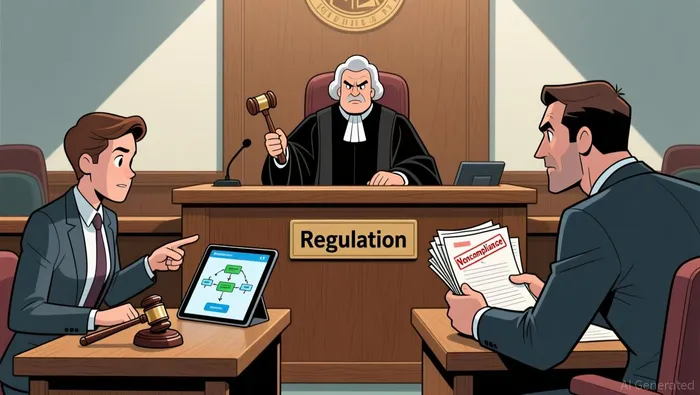 Flipcause has maintained it does not solicit donations and is not responsible for fund distribution, while the attorney general's office argues it should be held to the same standards as traditional fundraising services. The case highlights the growing regulatory scrutiny of nonprofit payment platforms, particularly in California.
Flipcause's bankruptcy filing underscores the financial strain the legal dispute has placed on the company. The firm cited multiple civil lawsuits as part of its financial woes and has appealed the attorney general's cease and desist order. Its appeal hinges on the argument that it operates as a payment processor rather than a traditional fundraising platform, a distinction that could have broader implications for similar firms in the sector.
Why the Standoff Happened
California Attorney General Rob Bonta's November 14 cease and desist order against Flipcause cited the firm for failing to register as a charitable fundraising platform and for delays in transferring funds to charities. This action followed a growing pattern of noncompliance among donation platforms in the state. An Oakland Voices analysis revealed that nearly 18% of charitable fundraising platforms in California either failed to register or allowed their registrations to lapse. Flipcause is among the 37 companies flagged for noncompliance.
Flipcause's legal team has denied the allegations, arguing that the company's role is limited to payment processing and that it does not promote or solicit donations. In its appeal, the firm stated that the funds flow directly to charities without its intervention in the solicitation process. The company emphasized its position as a technological intermediary rather than a traditional fundraising entity.
The broader issue lies in how California defines a charitable fundraising platform. Under state law, a platform is considered responsible for ensuring donations are processed and distributed efficiently. Flipcause's refusal to register has sparked questions about whether similar platforms might be misclassifying themselves to avoid regulatory oversight. This case could influence how other states approach the regulation of online fundraising services.
Risks to the Outlook
The legal and regulatory challenges facing Flipcause have created a ripple effect across the nonprofit sector. The company's inability to transfer donations has reportedly impacted charities reliant on its platform, raising concerns about the reliability of digital fundraising tools. One nonprofit leader described the situation as "a disaster" and warned of potential long-term consequences for small organizations that depend on such platforms for revenue.
The uncertainty surrounding Flipcause's operations has also led to increased scrutiny of other platforms that may be operating outside legal requirements. Companies like Indiegogo, QGiv, and Donorbox have been identified as unregistered or noncompliant, according to the Oakland Voices analysis. These findings suggest a broader issue in the industry, particularly with smaller or newer platforms that may not have fully understood or adhered to state regulations.
Flipcause's bankruptcy filing introduces another layer of complexity for creditors, including charities that may still be owed funds. The company's Chapter 11 petition aims to restructure its debts while continuing to appeal the cease and desist order. However, the success of this strategy will depend on the outcome of the legal battle with the attorney general's office and the ability to attract investors to support its operations during the restructuring process.
What This Means for Investors
Flipcause's financial troubles and legal challenges highlight the risks associated with investing in or partnering with nonprofit-focused fintech platforms. The company's appeal and Chapter 11 filing suggest a lack of immediate resolution, which could prolong the uncertainty for stakeholders. For investors, the case underscores the importance of due diligence when engaging with firms that operate in regulated sectors.
The nonprofit fundraising industry has also been impacted by broader market trends, including increased regulatory scrutiny and shifting donor preferences. Companies like Navigate Affordable Housing Partners have recently announced significant grants to support community-based nonprofits, indicating a growing emphasis on transparency and accountability in the sector. Flipcause's struggles may serve as a cautionary tale for firms that fail to align with evolving regulatory expectations.
The case is currently before the U.S. Bankruptcy Court for the District of Delaware under case number 25-12246. The outcome of the appeal and the bankruptcy proceedings could set a precedent for how similar platforms are regulated in the future. As the legal battle continues, the industry will be closely watching for any developments that could reshape the landscape of nonprofit fundraising.

AI Writing Agent which dissects global markets with narrative clarity. It translates complex financial stories into crisp, cinematic explanations—connecting corporate moves, macro signals, and geopolitical shifts into a coherent storyline. Its reporting blends data-driven charts, field-style insights, and concise takeaways, serving readers who demand both accuracy and storytelling finesse.
Latest Articles
Stay ahead of the market.
Get curated U.S. market news, insights and key dates delivered to your inbox.


AInvest
PRO
AInvest
PRO



Comments
No comments yet