
Flights Delayed: What Recent Data Means for Investors


 Aime Summary
December 2025 is proving to be a challenging month for U.S. air travel. A mix of severe winter weather, lingering effects of the recent government shutdown, and long-term operational shifts are all contributing to a higher-than-usual number of flight delays and cancellations. For investors, this is more than just a travel inconvenience—it’s a snapshot of broader industry pressures and potential risks. Understanding these dynamics can help retail investors better assess the outlook for major airlines and the broader travel economy.
Airlines and Airports With the Worst On-Time Performance
The past two holiday seasons have seen significant turbulence in the skies, with several U.S. airlines and airports faring poorly in terms of on-time performance. According to a study by eSIM service , . , . This data comes from the by Flighty.
, but Fort Lauderdale–Hollywood International Airport struggled, . These figures highlight the uneven landscape of U.S. air travel operations, and they’re especially relevant as the industry braces for more winter-related delays ahead.
Winter Storms and Government Shutdowns Amplify Delays
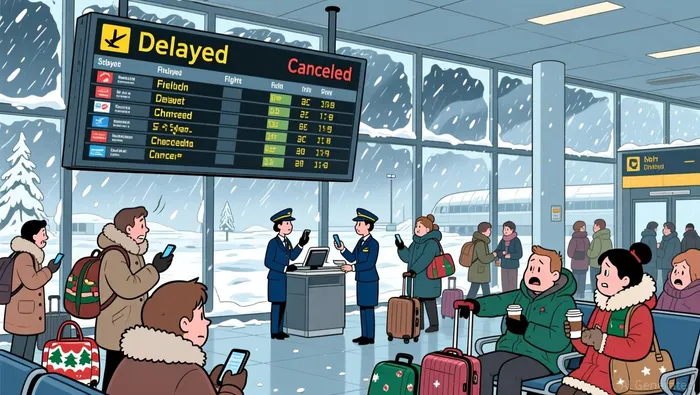
On December 14, 2025, a severe winter storm hit the Northeast, leading to ground stops at major airports like John F. Kennedy International (JFK) and Philadelphia International (PHL). Newark Liberty International Airport (EWR) operated under a Ground Delay Program, with average arrival delays reaching up to 170 minutes. At JFK, delays stretched to nearly five hours in some cases, with snow and ice accumulation exacerbating the issue according to reports.
Meanwhile, the recent 43-day government shutdown also played a role in operational disruptions. The FAA was forced to reduce air traffic capacity by up to 10% at 40 major airports, potentially grounding thousands of flights and affecting over five million passengers. Airlines like DeltaDAL--, SouthwestLUV--, and Alaska reported substantial financial impacts, . Southwest .
What This Means for Investors
For investors, these developments raise concerns about short-term revenue volatility and operational efficiency across major carriers. The government shutdown and winter storms have exposed vulnerabilities in the industry’s ability to maintain consistent operations during periods of high demand and logistical stress. Airlines like Alaska Air GroupALK-- (ALK), which had to revise its fourth-quarter earnings guidance , are showing how unpredictable factors can quickly erode profitability.
Still, the industry is showing resilience. The (IATA) forecasts that global airlines will generate record net profits , . This suggests that while 2025 has been a tough year, the long-term fundamentals for air travel remain strong. However, investors should keep a close eye on near-term trends, such as rising fuel costs and the difficulty of meeting sustainability targets like increased use of (SAF), in 2026.
A Forward-Looking but Factual Closing
As we head into the final weeks of 2025, the airline industry is navigating a mix of short-term challenges and long-term growth opportunities. While the current environment has led to flight delays and revised earnings forecasts, the broader picture shows that airlines are adapting to shifting consumer behaviors and global pressures. For investors, this means maintaining a balanced view—acknowledging the near-term risks while recognizing the potential for recovery and growth in the coming year.
The key takeaway? The 2025 holiday season has been a rough patch for airlines and travelers alike, but the industry is showing signs of adjusting to the new normal. Investors should keep a close eye on how carriers manage these challenges, as the coming months could reveal a lot about their ability to innovate and maintain profitability in a rapidly changing world.

Delivering real-time insights and analysis on emerging financial trends and market movements.
Latest Articles
Stay ahead of the market.
Get curated U.S. market news, insights and key dates delivered to your inbox.




Comments
No comments yet