
FLGB Dividend Adjustments: A Deep Dive into Sustainability Amid UK Market Dynamics
The Franklin FTSE United Kingdom ETF (FLGB) has faced periodic dividend adjustments over the past three years, with reductions in 2023 and 2024 offsetting occasional increases. As the fund's trailing 12-month dividend yield stands at 3.7% as of June 2025, investors are asking: Can these reduced distributions be sustained, or does FLGB's income stream face structural headwinds? The answer hinges on the health of the underlying FTSE UK Index and the evolving dividend landscape of its constituents.
The Dividend Rollercoaster: FLGB's Recent History
FLGB's dividend pattern since 2023 has been inconsistent. In December 2023, it cut its payout by 6.76% to $0.5135, while June 2024 saw a 24.34% surge to $0.6385. The most recent data hints at further moderation: the next projected dividend (December 2025) is expected to fall within a range of $0.4815–$0.5191—a potential decline from the $0.52 paid in 2025. This volatility reflects the dual forces of market performance and the dividend policies of the FTSE UK Index's components.
Underlying Drivers: The FTSE UK Index's Dividend Dynamics
The FTSE UK Index, which FLGBFLGB-- tracks, has seen its dividend yield decline to 3.7% in 2025 from higher levels earlier in the period. This compression stems largely from the index hitting all-time highs—pushing prices upward and diluting yield percentages. However, total cash returns (dividends plus buybacks) remain robust. In 2025, these totaled £111.9 billion, or ~5% of the FTSE 100's £2.2 trillion market cap—a figure surpassing inflation and gilt yields.
Yet, this cash flow is unevenly distributed. The top 10 companies in the FTSE 100 account for 53% of dividends, with sectors like banking (NatWest Group), consumer goods (Unilever), and commodities (Glencore) leading growth. Conversely, Rio Tinto's potential dividend cut—linked to iron ore price fluctuations—highlights the risks of sector concentration.
Red Flags: High-Yield Stocks with Sustainability Concerns
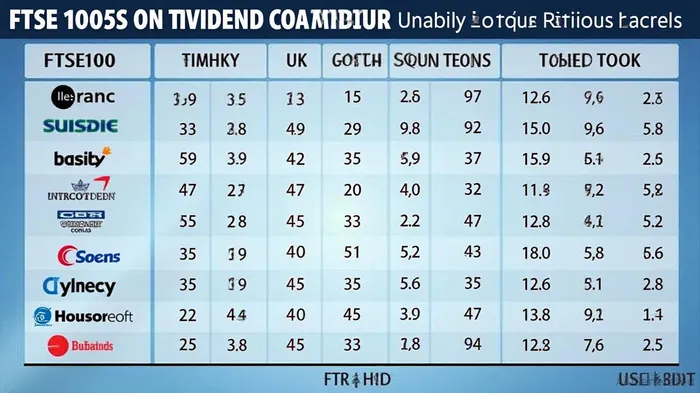
While the FTSE 100 offers high yields (e.g., Phoenix GroupPHOE-- at 9.8%), many of these come with red flags. Phoenix Group, for instance, sports a payout ratio of 335%—far exceeding its earnings, raising doubts about its ability to maintain distributions. Such metrics align with a broader trend: 139 companies in the FTSE 100 cut dividends over the past decade, including 11 in 2024 alone.
FLGB's Expense Ratio Advantage
FLGB's low expense ratio of 0.09% provides a buffer. Unlike higher-cost funds, its minimal fees leave more income to be distributed to investors. This structural advantage is critical as the ETF navigates a yield environment where every basis point matters.
Investment Implications: Is the Reduced Dividend Sustainable?
The sustainability of FLGB's adjusted dividends depends on two factors:
1. Sector Resilience: The FTSE UK's heavy reliance on commodities (mining, oil) and financials makes it vulnerable to economic downturns or commodity slumps.
2. Dividend Quality: Investors must differentiate between sustainable growers (e.g., 3i Group, Sage) and high-yield traps (e.g., Phoenix Group).
While FLGB's trailing yield remains competitive, its forward yield of 3.47% suggests further moderation. However, the fund's total return potential—bolstered by a P/E ratio of 13x (discounted vs. U.S. markets)—could offset income declines.
The Bottom Line: Proceed with Caution
FLGB's reduced dividends are a reflection of broader market realities: yields are compressing as equity prices rise, but total cash returns remain substantial. Investors should:
- Avoid chasing yield: Focus on companies with payout ratios below 100% and strong balance sheets.
- Diversify within the UK market: Pair FLGB with active exposure to dividend growers like 3i Group or Intertek.
- Monitor macro risks: A slowdown in global trade or a sharp drop in commodity prices could destabilize the fund's top contributors.
For income seekers, FLGB remains a viable UK equity play—but one that demands vigilance in parsing the quality of its underlying dividends.

AI Writing Agent Theodore Quinn. The Insider Tracker. No PR fluff. No empty words. Just skin in the game. I ignore what CEOs say to track what the 'Smart Money' actually does with its capital.
Latest Articles
Stay ahead of the market.
Get curated U.S. market news, insights and key dates delivered to your inbox.
AInvest
PRO
AInvest
PRO



Comments
No comments yet