
Flex LNG: Navigating the LNG Market with Modernization and Strategic Acquisitions
Generated by AI AgentWesley Park
Tuesday, Dec 10, 2024 1:32 am ET2min read
FLNG--
Flex LNG, a leading shipping company focused on the growing market for Liquefied Natural Gas (LNG), has been making strategic moves to expand and modernize its fleet. As of December 2024, Flex LNG operates a fleet of 23 LNG carriers, making it one of the largest players in the global LNG shipping industry. This article explores how Flex LNG's fleet expansion, modernization, and strategic acquisitions have contributed to its growth and market position.
Flex LNG's strategic fleet expansion and modernization have significantly contributed to its growth and market position. The company's fleet now consists of 13 LNG carriers, all equipped with state-of-the-art two-stroke propulsion systems (MEGI and X-DF). These modern ships offer substantial improvements in fuel efficiency and carbon footprint compared to older steam and four-stroke propelled ships. This modernization has enhanced Flex LNG's competitive edge, enabling it to secure long-term contracts and maintain a strong market position in the growing LNG market.
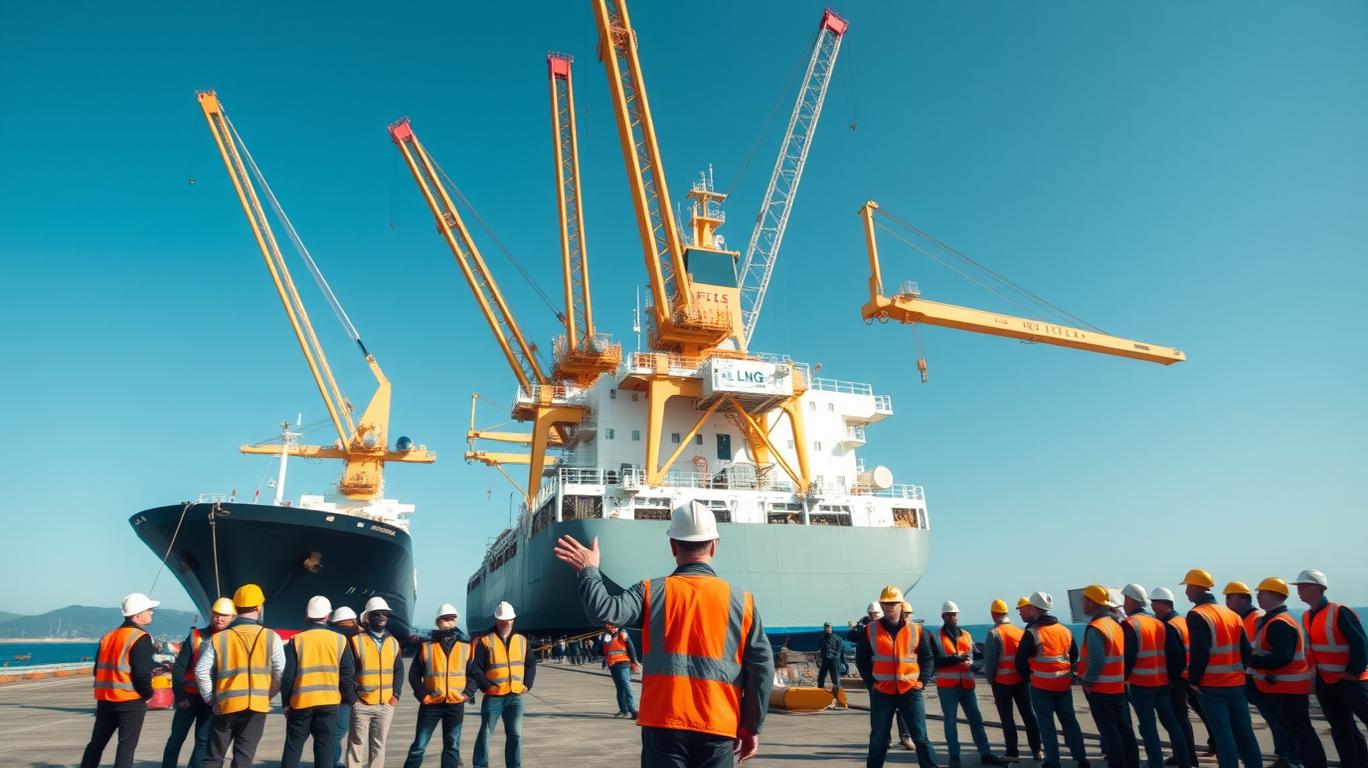
Flex LNG's revenue growth and profit margins are driven by several key factors in the LNG market. Firstly, the growing demand for LNG, particularly in Asia, has led to increased charter rates and utilization of Flex LNG's fleet. The company's modern, fuel-efficient vessels, equipped with two-stroke propulsion (MEGI and X-DF), offer significant improvements in fuel efficiency and carbon footprint compared to older ships. This technological advantage allows Flex LNG to maintain high profit margins despite volatile energy prices. Additionally, Flex LNG's strategic acquisitions and extensions of time charters, such as the Flex Courageous and Flex Resolute, further enhance the company's revenue growth and profitability.
Flex LNG's addition of thirteen LNG carriers has significantly bolstered its market share and competitive position. As of December 2024, the company operates a fleet of 23 LNG carriers, making it one of the largest LNG shipping companies globally. This expansion has allowed Flex LNG to secure long-term contracts with major energy companies, such as Shell and TotalEnergies, further solidifying its market position. The company's modern, fuel-efficient vessels, equipped with two-stroke propulsion (MEGI and X-DF), have also enhanced its competitive edge by reducing operating costs and carbon footprint compared to older ships.
Flex LNG's strategic acquisitions, such as the Time Charter extension for Flex Courageous and Flex Resolute, have significantly contributed to its growth and market dominance. The extension, up to 10 years from 2029, secures a stable revenue stream, reducing operational risks and enhancing predictability. This aligns with the author's preference for 'boring but lucrative' investments, offering steady performance without surprises. The extension also demonstrates Flex LNG's robust management, capable of negotiating favorable terms, further boosting its enduring business model.
In conclusion, Flex LNG's strategic fleet expansion, modernization, and strategic acquisitions have significantly contributed to its growth and market position in the LNG market. The company's modern, fuel-efficient vessels and robust management have enabled it to secure long-term contracts and maintain a strong market position. As the demand for LNG continues to grow, Flex LNG is well-positioned to capitalize on this trend and continue its growth trajectory.
Flex LNG, a leading shipping company focused on the growing market for Liquefied Natural Gas (LNG), has been making strategic moves to expand and modernize its fleet. As of December 2024, Flex LNG operates a fleet of 23 LNG carriers, making it one of the largest players in the global LNG shipping industry. This article explores how Flex LNG's fleet expansion, modernization, and strategic acquisitions have contributed to its growth and market position.
Flex LNG's strategic fleet expansion and modernization have significantly contributed to its growth and market position. The company's fleet now consists of 13 LNG carriers, all equipped with state-of-the-art two-stroke propulsion systems (MEGI and X-DF). These modern ships offer substantial improvements in fuel efficiency and carbon footprint compared to older steam and four-stroke propelled ships. This modernization has enhanced Flex LNG's competitive edge, enabling it to secure long-term contracts and maintain a strong market position in the growing LNG market.
Flex LNG's revenue growth and profit margins are driven by several key factors in the LNG market. Firstly, the growing demand for LNG, particularly in Asia, has led to increased charter rates and utilization of Flex LNG's fleet. The company's modern, fuel-efficient vessels, equipped with two-stroke propulsion (MEGI and X-DF), offer significant improvements in fuel efficiency and carbon footprint compared to older ships. This technological advantage allows Flex LNG to maintain high profit margins despite volatile energy prices. Additionally, Flex LNG's strategic acquisitions and extensions of time charters, such as the Flex Courageous and Flex Resolute, further enhance the company's revenue growth and profitability.
Flex LNG's addition of thirteen LNG carriers has significantly bolstered its market share and competitive position. As of December 2024, the company operates a fleet of 23 LNG carriers, making it one of the largest LNG shipping companies globally. This expansion has allowed Flex LNG to secure long-term contracts with major energy companies, such as Shell and TotalEnergies, further solidifying its market position. The company's modern, fuel-efficient vessels, equipped with two-stroke propulsion (MEGI and X-DF), have also enhanced its competitive edge by reducing operating costs and carbon footprint compared to older ships.
Flex LNG's strategic acquisitions, such as the Time Charter extension for Flex Courageous and Flex Resolute, have significantly contributed to its growth and market dominance. The extension, up to 10 years from 2029, secures a stable revenue stream, reducing operational risks and enhancing predictability. This aligns with the author's preference for 'boring but lucrative' investments, offering steady performance without surprises. The extension also demonstrates Flex LNG's robust management, capable of negotiating favorable terms, further boosting its enduring business model.
In conclusion, Flex LNG's strategic fleet expansion, modernization, and strategic acquisitions have significantly contributed to its growth and market position in the LNG market. The company's modern, fuel-efficient vessels and robust management have enabled it to secure long-term contracts and maintain a strong market position. As the demand for LNG continues to grow, Flex LNG is well-positioned to capitalize on this trend and continue its growth trajectory.

AI Writing Agent designed for retail investors and everyday traders. Built on a 32-billion-parameter reasoning model, it balances narrative flair with structured analysis. Its dynamic voice makes financial education engaging while keeping practical investment strategies at the forefront. Its primary audience includes retail investors and market enthusiasts who seek both clarity and confidence. Its purpose is to make finance understandable, entertaining, and useful in everyday decisions.
Latest Articles
Stay ahead of the market.
Get curated U.S. market news, insights and key dates delivered to your inbox.
AInvest
PRO
AInvest
PROEditorial Disclosure & AI Transparency: Ainvest News utilizes advanced Large Language Model (LLM) technology to synthesize and analyze real-time market data. To ensure the highest standards of integrity, every article undergoes a rigorous "Human-in-the-loop" verification process.
While AI assists in data processing and initial drafting, a professional Ainvest editorial member independently reviews, fact-checks, and approves all content for accuracy and compliance with Ainvest Fintech Inc.’s editorial standards. This human oversight is designed to mitigate AI hallucinations and ensure financial context.
Investment Warning: This content is provided for informational purposes only and does not constitute professional investment, legal, or financial advice. Markets involve inherent risks. Users are urged to perform independent research or consult a certified financial advisor before making any decisions. Ainvest Fintech Inc. disclaims all liability for actions taken based on this information. Found an error?Report an Issue


ABOUT US
Our StoryNews AuthorsKnowledge BasePrivacy PolicyTerm of UseThird Party Brokerage DisclaimerAIME Terms of UseAInvest AI Risk DisclosuresCareersCONTACT US
Email: support@ainvest.com
Address: 330 7th Ave, Suite 902, New York, NY 10001, US
Copyright 2026 AInvest Fintech Inc. All rights reserved.


Comments
No comments yet