
Flash Flooding NYC Triggers Emergency Declarations, Disrupts Transit and Power
 Aime Summary
A powerful storm system unleashed heavy rainfall and flash flooding across the East Coast on Thursday, prompting emergency declarations in New York City and New Jersey. Torrents of rain transformed streets into rivers, subways were inundated, and commuters found themselves stranded as the deluge disrupted the region's infrastructure, including transportation networks and systems.
With severe thunderstorm watches and warnings in effect, states of emergency were declared in both New York and New Jersey, marking another significant weather event for a region that had already seen its share of torrential downpours this season. Analysts predict rainfall rates could exceed two inches per hour, amplifying concerns over widespread flash flooding. New Jersey, grappling with the fallout from a previous flood emergency, declared its state of emergency at 2:00 p.m., anticipating flash flooding, severe thunderstorms, and damaging wind gusts.
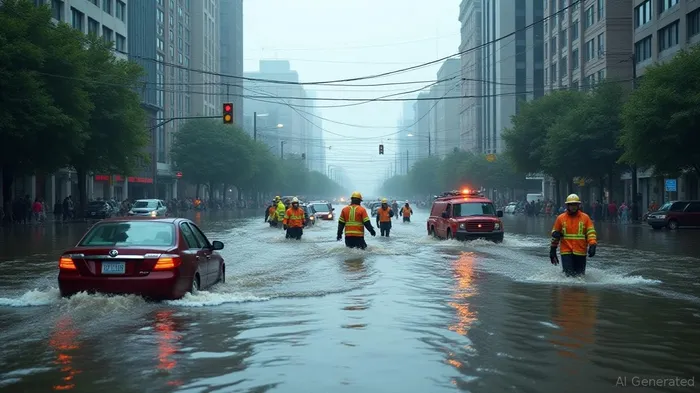
Flash flood and severe thunderstorm warnings peppered New York City by early afternoon, sparking heightened concern over the city's already vulnerable infrastructure. Water gushed into subway stations like waterfalls; Central Park shattered its rainfall record in mere minutes, highlighting the severity of the downpour. Flash flooding disrupted commutes and left significant areas underwater, notably affecting the Bayside station and Clearview Expressway in Queens. Passengers were stranded on an LIRR train due to rising floodwaters until first responders could bring them to safety, showcasing the peril and chaos caused by the storm.
Transportation networks became gridlocked as the Port Washington line of the LIRR was suspended due to high water, stranding commuters during rush hour and delaying trains. The impact extended to major city roadways; sections of the Clearview Expressway in Queens were submerged, forcing closures. Emergency responders evacuated trapped drivers from submerged vehicles, using ladders in some cases as vehicles became marooned in water over three feet deep. MTA lines experienced widespread delays, compounding commuter woes. Basements and low-lying areas were particularly at risk, urging residents to evacuate to higher ground amidst the impending threat.
The transit system faced considerable setbacks not only from the flooding but also from a compounding morning power outage that sidelined subway services and left riders facing extensive delays. On the roads, cars were disabled in standing water, creating dangerous situations for drivers and emergency responders alike, while utility company Con Ed reported over 1,500 customers without power.
Mayor Eric Adams issued a travel advisory, urging New Yorkers to remain indoors and avoid non-essential travel. With flood watches continuing overnight, the city remains under alert as officials manage the storm's impact and work toward restoring normalcy. As the storm moved eastward, regions like Maryland and Washington D.C. also faced heavy rainfall and flash flood threats, with conditions continuing to be monitored closely.
Governor Kathy Hochul declared a state of emergency across New York City and its surrounding counties, urging early employer dismissals and vigilance against the storm-induced hazards. Analysts predict continued severe weather through Friday morning, with residents advised to adhere to safety protocols and monitor official announcements for further developments.
In a broader context, these events highlight ongoing challenges as the region grapples with increasingly frequent severe weather incidents, and underscore the importance of infrastructure resilience and preparedness in combating the impacts of climate change. As New Yorkers and New Jersey residents begin the clean-up and recovery process from this weather onslaught, regional officials remain vigilant, committed to ensuring public safety and minimizing disruption amid forecasts of continued intense weather patterns.

Stay ahead of the market.
Get curated U.S. market news, insights and key dates delivered to your inbox.






Comments
No comments yet